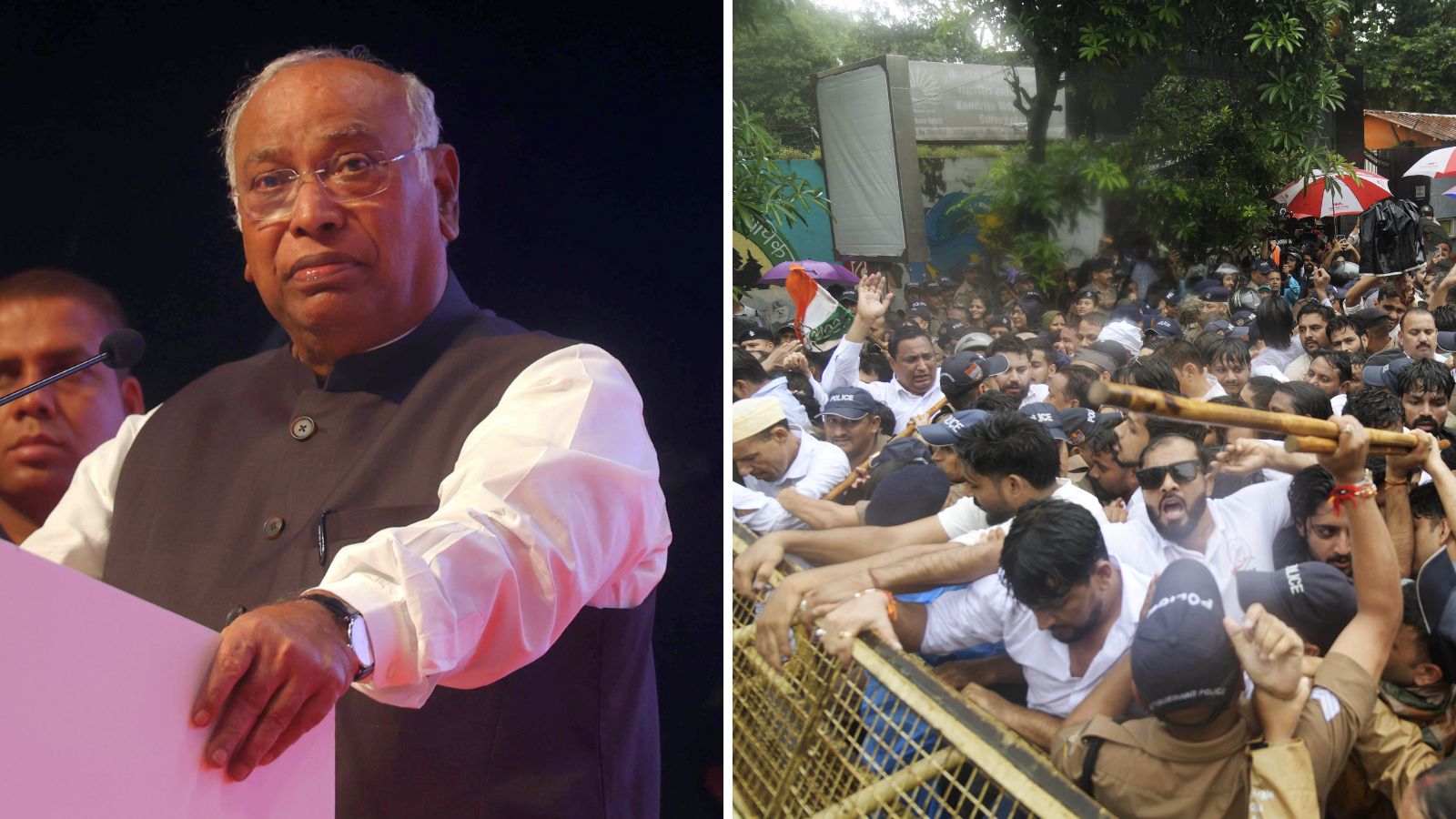
In a move that has sent shockwaves through the government, the Brazil Supreme Court has removed the Federal Police chief, intensifying the friction between the judiciary and law enforcement.
- Brazil's Supreme Court has dismissed the head of the Federal Police.
- The move escalates the ongoing tension between the judiciary and security apparatus.
- Concerns raised over the independence of future criminal investigations.
The Supreme Court of Brazil has taken the drastic step of removing the chief of the Federal Police from office, plunging the nation's top legal and security institutions into a deepening crisis. This decision comes amidst a backdrop of intense political polarization, where the boundaries between judicial oversight and executive authority have become increasingly blurred.
The removal is seen by many as a strategic move to consolidate influence over sensitive investigations. The Federal Police, tasked with combating high-level corruption and organized crime, now find themselves without stable leadership, leading to concerns about the continuity of ongoing probes into political elites.
Why This Matters
BozokMedia analysis shows that this clash is symptomatic of a broader institutional instability in Brazil. When the highest court intervenes in the leadership of law enforcement, it risks creating a perception of "judicialization of politics." This shift can undermine the neutrality of the police force, potentially turning it into a tool for judicial or political agendas rather than a neutral body of law enforcement.
"The erosion of institutional autonomy is a red flag for any democracy, and Brazil's current trajectory suggests a dangerous overlap of powers."
Historically, Brazil has faced periods of extreme volatility regarding the relationship between its courts and the police. From the military dictatorship era to the recent turmoil surrounding the transition of power between administrations, the tension between the STF (Supreme Federal Court) and the executive branch has remained a constant theme in Brazilian governance.
The international community is now closely monitoring the situation. There are fears that if the Federal Police are perceived as being under the direct thumb of the judiciary, the legitimacy of their findings in international courts and cooperation with agencies like Interpol could be compromised.
Frequently Asked Questions
Q1: Why was the Federal Police chief removed?
While the court cited administrative reasons, political analysts suggest the move stems from deep-seated disagreements over the conduct of specific high-profile investigations.
Q2: What are the potential consequences of this move?
It could lead to a leadership vacuum within the police force and potentially bias future investigations into political figures.