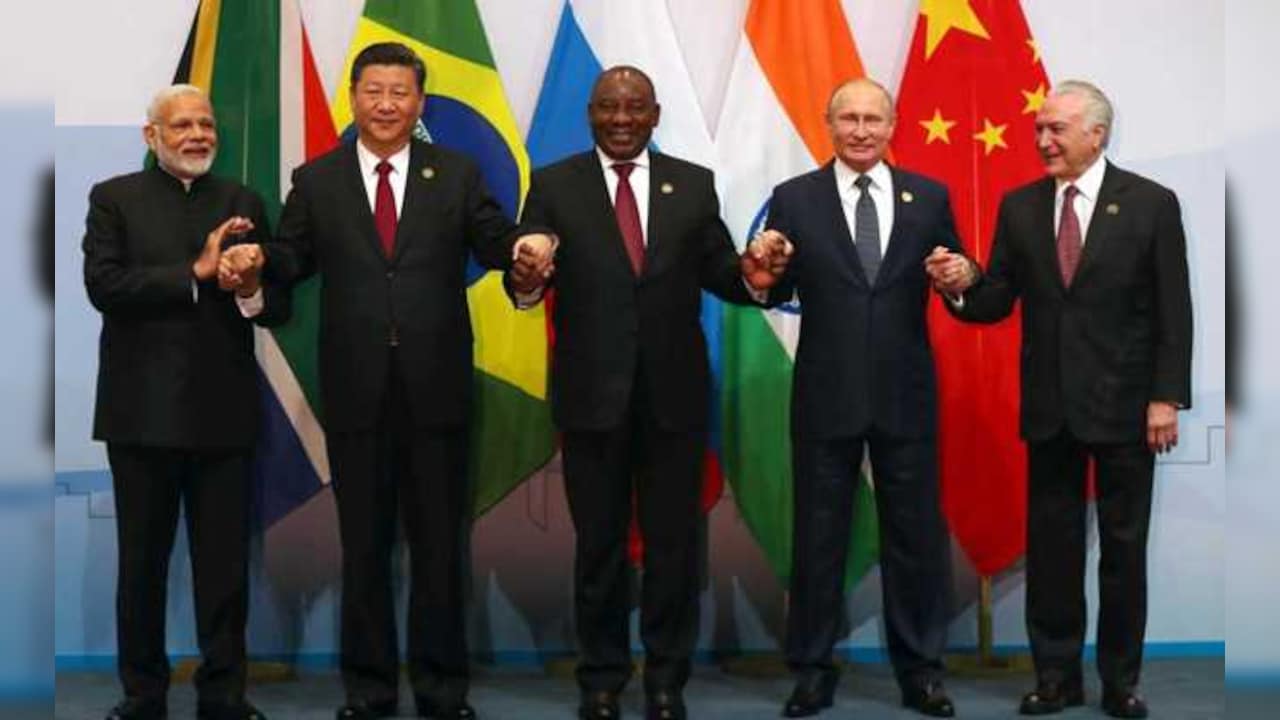
The Delhi Summit arrives at a critical juncture in international relations. India faces an unprecedented set of challenges, the likes of which have not been seen since the inception of BRICS in 2009.
- The Delhi Summit is facing the most complex geopolitical environment since the 2009 Russian summit.
- India must balance its leadership of the Global South with its strategic ties to the West.
- Internal frictions within BRICS present both a risk and a strategic opportunity for New Delhi.
The BRICS Summit in New Delhi is unfolding against a backdrop of intense global volatility. For the first time since the bloc's inception in 2009 in Russia, India finds itself navigating a landscape where geopolitical interests are sharply divided. The summit is not merely a diplomatic gathering but a test of India's ability to manage contradictory global alliances.
India's primary struggle lies in its dual identity: as a pillar of the BRICS coalition and a key strategic partner in the QUAD. While the former allows India to lead the Global South, the latter aligns it with the US and its allies. Maintaining this equilibrium requires a masterclass in diplomacy to avoid alienation from either side.
Why This Matters
BozokMedia analysis shows that India is transitioning from a participant to a 'balancing power' within BRICS. If India successfully steers the summit, it can solidify its position as the primary bridge between the developed West and the developing East, fundamentally altering global governance dynamics.
"India's challenge is not just about reaching a consensus, but about preserving its strategic autonomy amidst clashing global interests."
Historically, BRICS was conceived as a counterweight to the US-led financial hegemony of the IMF and World Bank. However, the subsequent rise of China as the dominant force within the group has introduced a new layer of complexity. India must ensure that the bloc does not devolve into a vehicle for Chinese geopolitical ambitions.
Key agenda items for the summit include trade liberalization, counter-terrorism, and climate finance. India's objective is to forge a collective stance that protects its national security while championing the needs of emerging economies.
Frequently Asked Questions
1. Why is BRICS important for India?
It provides a platform to engage with major emerging economies and challenge the traditional Western-centric global order.
2. Why is the Delhi Summit considered so challenging?
Because the level of global instability and internal divergence among members is at its highest since the 2009 summit.


