A Jammu court has discharged seven individuals accused of rioting and arson during 2019 anti-Pakistan protests, ruling that mere presence in a mob does not equate to criminal liability without evidence of a 'common unlawful object'.
- Jammu court grants relief to 7 men booked for rioting after Pulwama attacks.
- Ruling clarifies that cell tower locations are insufficient to prove participation in an unlawful assembly.
- Judge emphasizes that courts must exercise judicial mind rather than blindly following prosecution claims.
In a significant ruling, a court in Jammu has granted relief to seven men who were booked for allegedly indulging in rioting and arson during a protest against Pakistan following the 2019 Pulwama terror attack. The court observed that an accused cannot be connected to an offence committed by a mob unless there is cogent evidence that they shared a "common unlawful object" with the members of that assembly.
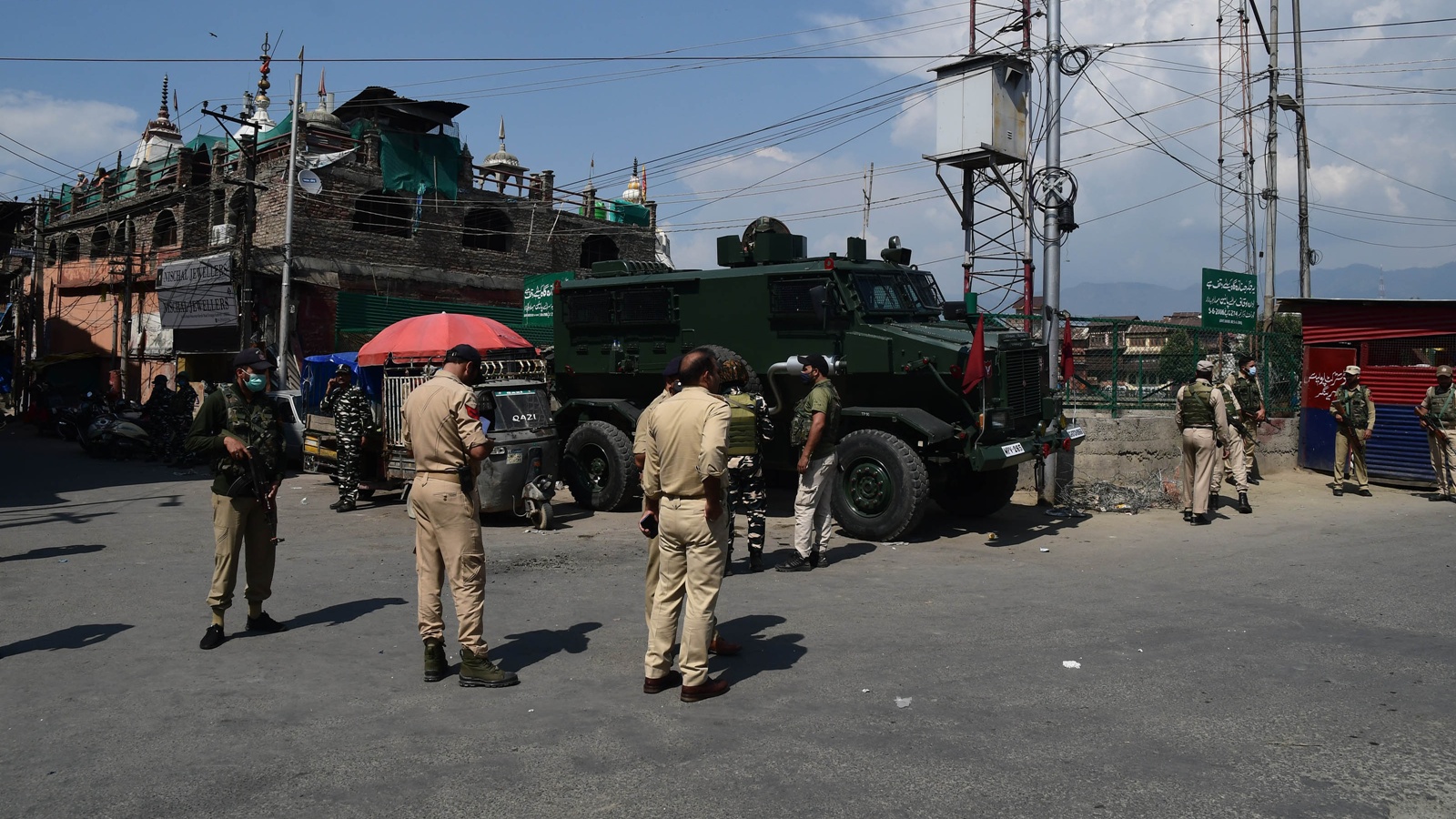
The individuals discharged by the court include Rohit Sharma, Kailash Kumar, Manat Kumar, Sajan Kumar, Sukhdev Singh alias Rinku, Sahil Sharma, and Jagdish Kumar. According to the FIR filed at the Jammu City Police Station, a mob of 600-700 people had marched to protest the martyrdom of 40 paramilitary personnel. The police alleged that the crowd turned violent, damaging several vehicles and setting six on fire.
Why This Matters
BozokMedia analysis shows that this judgment serves as a critical check on the tendency of law enforcement agencies to use 'guilt by association'. By rejecting the reliance on tower locations as sole evidence, the court has reinforced the necessity of proving individual intent in collective violence cases, protecting citizens from arbitrary prosecution during mass demonstrations.
The Second Additional Sessions Judge, Anoop Kumar Sharma, dismissed the police challan, noting that the probe agency failed to provide evidence of direct or indirect participation in arson. The judge highlighted that the initial purpose of the gathering—protesting against an enemy state—was not inherently unlawful.
"The court is not to act as a mere post office to frame the charge at the behest of the prosecution, but has to exercise its judicial mind to the facts of the case."
Furthermore, the court scrutinized the charges regarding the violation of prohibitory orders. The judge pointed out that the investigating agency failed to produce the actual order promulgated under Section 144 of the CrPC. He noted that without a formal complaint from the District Magistrate, taking cognizance of such a violation is legally barred under section 195 of the CrPC.
Frequently Asked Questions
1. Why did the court discharge the seven accused?
The court found no evidence that the individuals shared a common unlawful objective with the mob or participated directly in the arson.
2. Is cell phone tower location sufficient for conviction in mob violence?
No, the court ruled that tower location only proves presence in an area, not participation in a specific criminal act within a crowd.