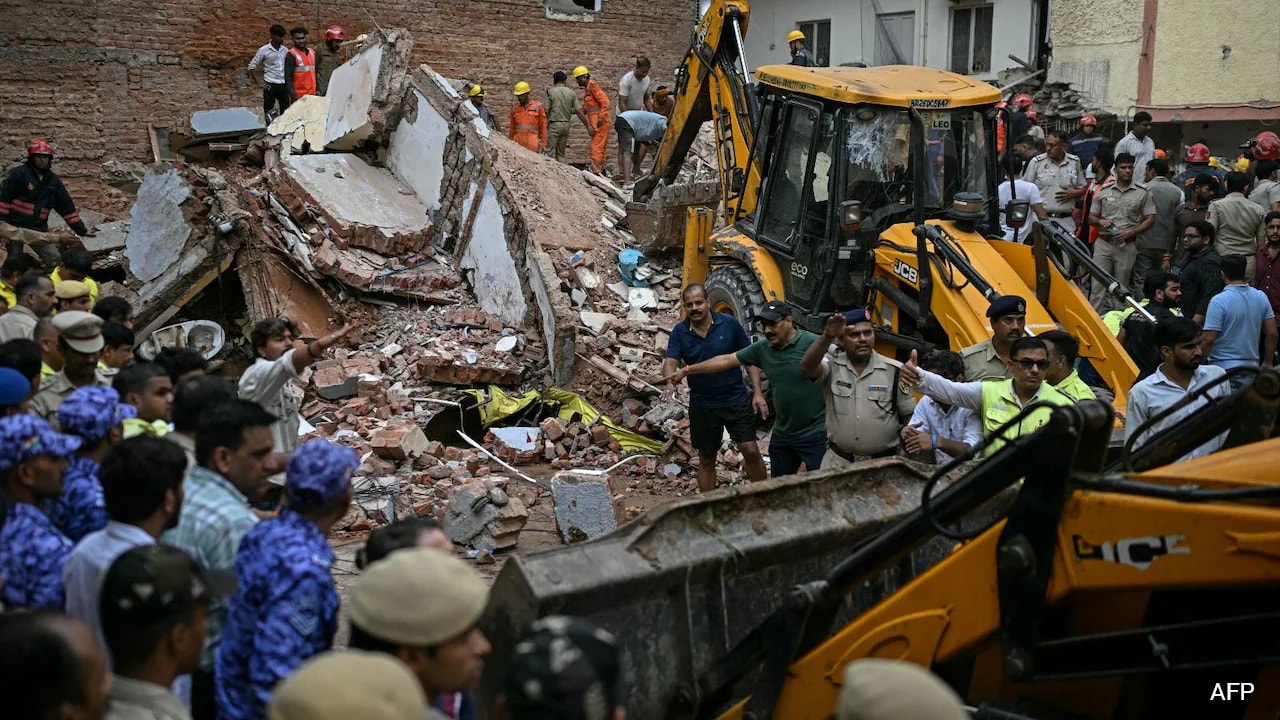
Following a catastrophic building collapse in Delhi that claimed seven lives, authorities have flagged 200 private hostels as structurally unsafe. The tragedy has exposed a dangerous nexus of illegal constructions and unregulated student housing.
- Seven people dead after a residential building collapse in a student hub of Delhi.
- Municipal authorities have identified 200 private hostels/PGs as 'dangerous' structures.
- Illegal floor conversions and lack of safety audits are cited as primary causes.
The capital city of Delhi is reeling from a devastating structural failure that has claimed seven lives, sparking a massive crackdown on unregulated student housing. The building, situated within walking distance of a major educational campus where hundreds of thousands of students reside, was serving as a Paying Guest (PG) accommodation. With rents for male tenants starting as low as Rs 5,700, the facility attracted students seeking affordable housing, unaware of the lethal risks associated with the building's integrity.
Investigations reveal a systemic failure in urban planning and safety enforcement. Local brokers, speaking on the condition of anonymity, have admitted that they frequently facilitate the renting of residential floors converted into PGs without the necessary commercial permits or safety certifications. This practice of 'shadow housing' has turned many residential pockets into ticking time bombs, where overcrowded floors put immense pressure on aging structures.
Why This Matters
BozokMedia analysis shows that this tragedy is not an isolated incident but a symptom of the 'student housing crisis' in metropolitan hubs. When demand for affordable housing far exceeds legal supply, students are forced into unregulated spaces. The lack of stringent municipal audits means that structural warnings are often ignored until a disaster occurs, shifting the burden of risk onto the most vulnerable population—students from out-of-town.
"The conversion of residential properties into high-density PGs without structural reinforcement is a recipe for disaster in Delhi's congested zones."
Historically, Delhi has seen several such collapses, particularly in areas like Laxmi Nagar and Mukherjee Nagar. These regions are characterized by narrow lanes and buildings that have been vertically expanded illegally over decades. The current crisis highlights the urgent need for a centralized registry of student accommodations and mandatory structural safety certificates for any building operating as a hostel.
Frequently Asked Questions
Q1: How can students verify if a PG is safe?
Students should ask for a structural safety certificate or check if the building is registered with the local municipal corporation.
Q2: What is the government's immediate action?
Authorities are currently auditing 200 flagged buildings and issuing evacuation notices to tenants in high-risk zones.