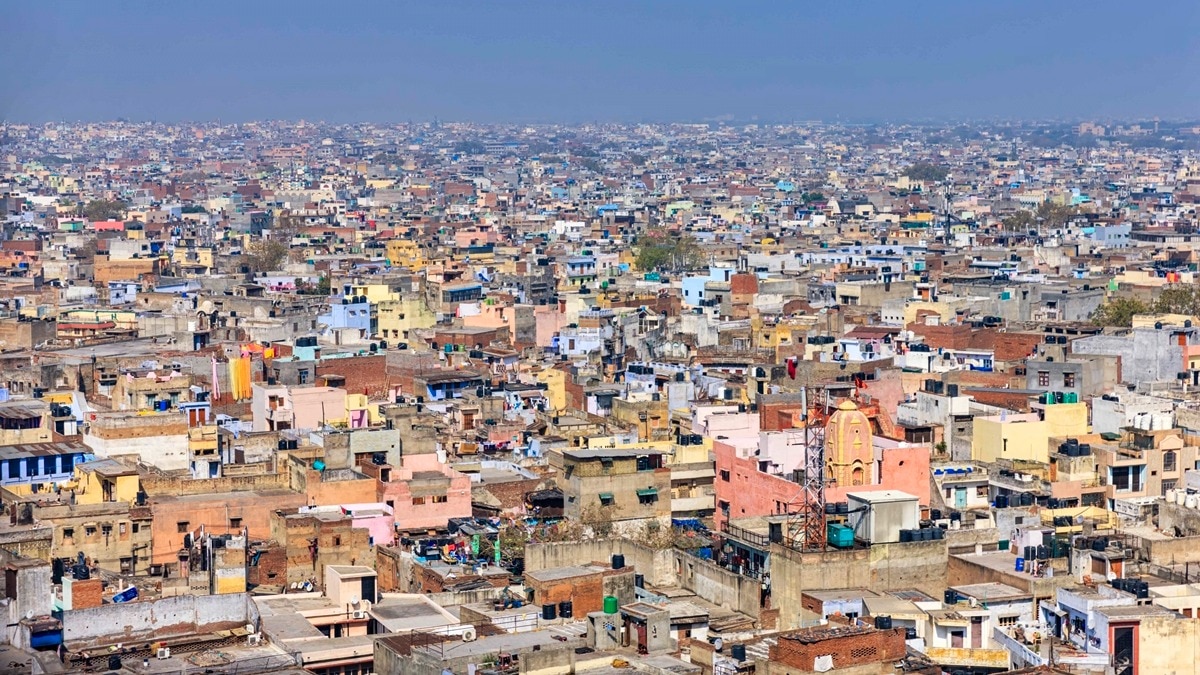
Following recent building collapses in the capital, a critical report reveals that over 30 lakh structures in Delhi are highly vulnerable to a magnitude 6.0 earthquake.
- Over 3 million buildings in Delhi are susceptible to M6.0 earthquakes.
- Structural integrity is compromised due to rapid, unregulated urbanization.
- Immediate retrofitting and strict enforcement of building codes are required.
The recent spate of building collapses in Delhi has sent shockwaves through the nation, highlighting a terrifying reality: the capital's infrastructure is on the brink of a structural crisis. According to recent data, more than 30 lakh buildings across the city are vulnerable to a moderate-intensity earthquake of magnitude 6.0.
The vulnerability is not merely a matter of chance but a consequence of decades of rapid, often unregulated, urban expansion. As the city grows vertically and horizontally, many structures are being erected without adhering to the essential seismic safety protocols. This creates a landscape where a single seismic event could trigger a catastrophic chain reaction of collapses.
Why This Matters
BozokMedia analysis shows that the intersection of high population density and aging infrastructure creates a 'perfect storm' for disaster. The structural integrity of many residential and commercial hubs is failing due to poor material quality and the lack of deep-foundation engineering. Without immediate intervention, the socio-economic impact of a major earthquake in Delhi would be unprecedented.
The structural vulnerability of Delhi is a ticking time bomb that demands immediate seismic auditing of all high-density zones.
Historically, Delhi has been situated in Seismic Zone IV, making it a high-risk area for earthquakes. The geological makeup of the Indo-Gangetic plain allows seismic waves to travel extensively, potentially magnifying the impact on poorly constructed buildings. The lessons from the 1991 earthquake must not be forgotten; the city's growth has outpaced its safety regulations.
Risk Assessment by Zone
| Zone Type | Risk Level | Primary Vulnerability |
|---|---|---|
| Old Delhi/Congested Areas | Critical | Narrow lanes and ancient foundations |
| Planned Residential Areas | Moderate | Higher density and high-rise structures |
| Unauthorized Colonies | Critical | Non-compliance with building bylaws |
Frequently Asked Questions
1. What makes Delhi buildings so vulnerable?
A combination of unplanned construction, use of sub-standard materials, and lack of seismic-resistant design.
2. How can residents protect themselves?
Ensuring buildings undergo structural audits and following emergency evacuation protocols is essential.