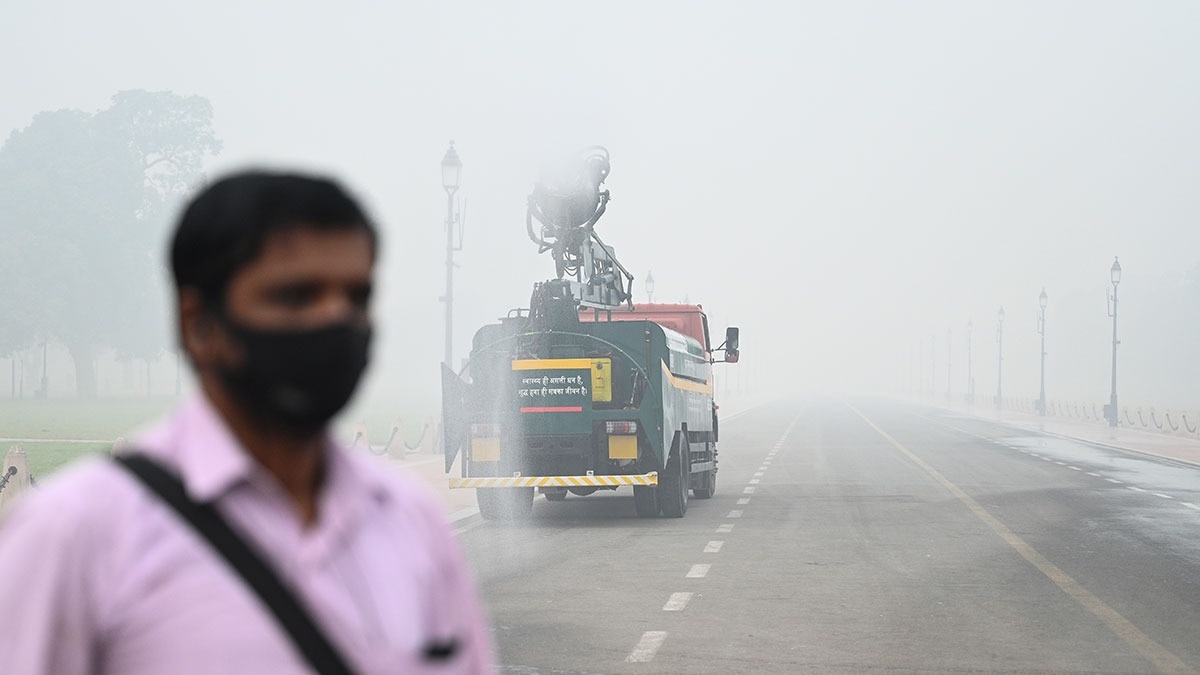
Authorities in Delhi-NCR are transitioning from temporary winter restrictions to a permanent, year-round pollution control framework to ensure sustained air quality improvements.
- Shift from seasonal emergency measures to continuous, year-round enforcement.
- Focus on clean fuel adoption, dust management, and sustainable urban mobility.
- MoU signed between Haryana State Pollution Control Board and Raahgiri Foundation.
In a strategic pivot to combat the chronic smog crisis, authorities in the National Capital Region (NCR) are moving away from seasonal restrictions toward a comprehensive, year-round enforcement model. This shift has been confirmed by the Delhi Pollution Control Committee (DPCC) and state boards from Haryana and Rajasthan.
The announcement was made during the fifth edition of the Clean Air Dialogues, organized by the CAQM Resource Lab—a joint venture between the Commission for Air Quality Management and the Raahgiri Foundation. The core philosophy is that sustained action during the summer and monsoon months is the only way to prevent the catastrophic air quality dips seen every winter.
Structural Overhaul of Pollution Control
Officials emphasized that structural changes cannot be intermittent. Key focus areas include the industrial adoption of clean fuels, stringent dust control at construction sites, aggressive measures against waste burning, and a systemic transition toward cleaner freight and passenger transport.
"States are now moving in tandem towards continuous, verifiable compliance through the year, supported by common data and common metrics," stated Tarun Kumar Pithode, Member Secretary of CAQM.
Why This Matters
BozokMedia analysis shows that the previous 'fire-fighting' approach—where restrictions were imposed only after the AQI hit hazardous levels—was fundamentally flawed. By shifting to a year-round model, the administration is acknowledging that air pollution is a systemic failure of urban planning rather than a seasonal weather phenomenon. This move represents a transition from crisis management to sustainable urban governance.
A significant milestone in this transition is the Memorandum of Understanding (MoU) signed between the Haryana State Pollution Control Board and the Raahgiri Foundation. This partnership will establish a dedicated Project Management Unit (PMU) to oversee pollution mitigation across Haryana's NCR districts.
| Seasonal Approach (Old) | Year-Round Approach (New) |
|---|---|
| Reactive bans during winter peaks | Proactive, 365-day monitoring |
| Short-term GRAP implementation | Long-term structural fuel shifts |
| Temporary dust suppression | Integrated 'Complete Streets' & green infrastructure |
The Raahgiri Foundation will provide technical expertise to design 'complete streets' featuring pedestrian and cycling infrastructure, the creation of dedicated clean air zones, and the rationalization of electric bus routes to reduce dependence on fossil-fuel vehicles.
Frequently Asked Questions
1. Will this eliminate the winter smog entirely?
While it may not eliminate it overnight, continuous mitigation reduces the baseline pollution levels, making winter peaks less severe.
2. What is the role of the PMU in Haryana?
The PMU focuses on technical designs for sustainable mobility, dust mitigation, and the reuse of construction waste in public projects.