The Supreme Court has reprimanded the Odisha government for delaying the decision on the premature release of Dara Singh, convicted in the brutal 1999 Graham Staines murder case. A final hearing is scheduled for September 17.
- The Supreme Court will conduct a decisive hearing on Dara Singh's release on September 17.
- Justice Manoj Mishra and Justice Vijay Bishnoi expressed strong displeasure over the Odisha government's lethargy.
- Convict Dara Singh has sought premature release citing old age, failing health, and good conduct.
The Supreme Court of India has taken a stern stance regarding the petition for the premature release of Dara Singh, the primary convict in the horrific murder of Australian missionary Graham Staines and his two minor sons. During Tuesday's proceedings, the court severely reprimanded the Odisha government for its failure to reach a timely decision.
The bench, comprising Justice Manoj Mishra and Justice Vijay Bishnoi, expressed sharp annoyance when the state government requested a four-week adjournment, citing the illness of its Advocate-on-Record (AoR). The court questioned why there has been such an inordinate delay despite previous directions to the state to decide on the commutation of the sentence.
Why This Matters
BozokMedia analysis shows that this case transcends a mere legal petition; it is a litmus test for the Indian judicial system's handling of high-profile communal crimes. The potential release of Dara Singh could reignite old wounds and spark debates on the balance between judicial mercy and the gravity of hate crimes. The government's hesitation reflects a complex intersection of legal obligations and political sensitivities.
"Justice delayed is justice denied, but in cases of extreme brutality, the state's hesitation often reflects the weight of societal conscience against legal technicalities."
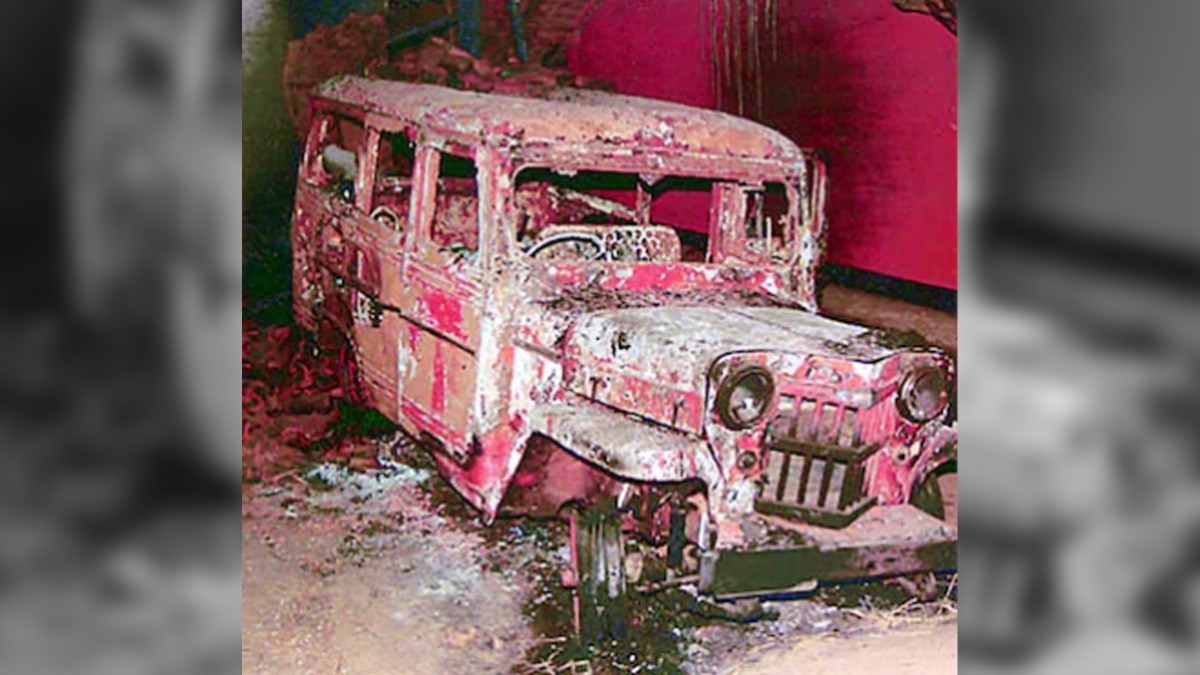
To provide historical context, the incident occurred on the night of January 22-23, 1999, in Manoharpur village of Keonjhar district, Odisha. Graham Stuart Staines, who had been serving leprosy patients and tribals since 1965, was sleeping in his station wagon with his sons, Philip (10) and Timothy (6). A mob of approximately 50 people, led by Dara Singh, surrounded the vehicle, set it on fire, and burnt all three alive.
In 2003, a CBI court sentenced Dara Singh to death, which was later commuted to life imprisonment. Having spent over 25 years in prison, Dara Singh (originally Rabindra Kumar Pal) is now appealing for release based on health grounds and exemplary behavior in jail.
| Detail | Fact |
|---|---|
| Year of Incident | 1999 |
| Primary Convict | Dara Singh (Rabindra Kumar Pal) |
| Sentence | Death Penalty (Later commuted to Life Imprisonment) |
| Final Hearing Date | September 17, 2026 |
Frequently Asked Questions
1. Who is Dara Singh and why was he convicted?
Dara Singh was the leader of the mob that burnt Australian missionary Graham Staines and his two sons alive in 1999 in Odisha.
2. Why did the Supreme Court reprimand the Odisha government?
The court was displeased with the state's repeated delays and attempts to postpone the hearing regarding the convict's premature release.