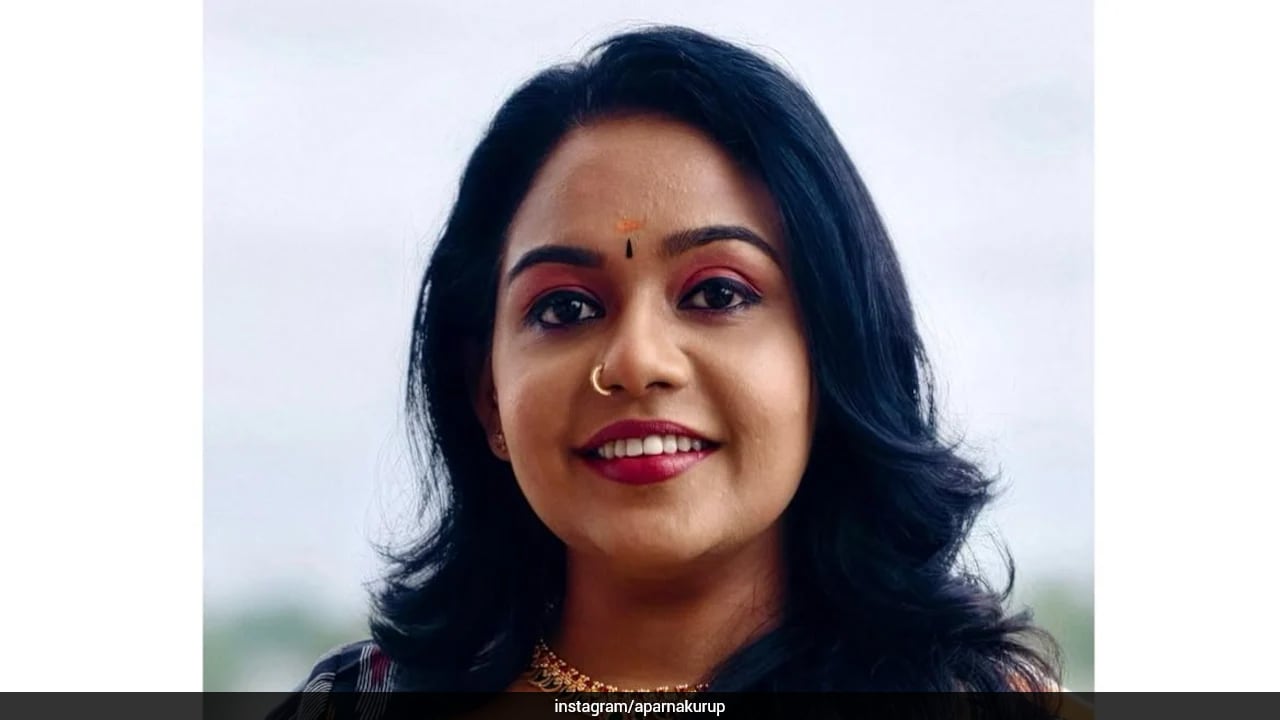
A television anchor in Kerala has been booked by the police following a heated debate involving a Muslim scholar. Despite apologies from the anchor and the channel, legal action has been initiated.
- Police case registered against a Kerala-based TV anchor for offensive remarks.
- The controversy stemmed from a live television debate.
- The news channel removed the content and issued a formal apology.
In a significant development regarding media accountability, a television anchor in Kerala is facing legal action after making derogatory remarks about a prominent Muslim scholar during a live broadcast. The police registered the case following a formal complaint alleging that the anchor's words were intended to hurt religious sentiments and incite communal disharmony.
The incident occurred during a televised discussion where the anchor allegedly crossed the line of professional journalistic inquiry. As the clip circulated on social media, it sparked widespread outrage, prompting the television network to intervene. The channel swiftly scrubbed the footage from its digital archives and expressed deep regret over the incident, attempting to mitigate the fallout.
Why This Matters
BozokMedia analysis shows that this case underscores the precarious balance between 'adversarial journalism' and legal liability. In an era of viral clips, a few seconds of unchecked rhetoric can lead to severe legal consequences, signaling a shift toward stricter enforcement of hate speech laws against media personnel.
"The judiciary is increasingly holding media personalities accountable for the social impact of their on-air conduct, regardless of the 'news' context."
The legal proceedings are now focusing on whether the statements constitute a criminal offense under the Indian Penal Code. While the anchor and the organization have apologized, the police are investigating if the remarks were part of a larger pattern of targeted harassment or an isolated lapse in judgment.
Historically, the media landscape in Kerala has been vibrant and critical, but recent trends show an increase in polarized debates. This case serves as a benchmark for other media houses to implement more rigorous editorial oversight during live broadcasts to avoid similar legal entanglements.
Frequently Asked Questions
Q1: Did the news channel take any action?
A: Yes, the channel removed the controversial segment from its platforms and expressed regret over the remarks.
Q2: What is the current status of the case?
A: The police have registered a case and are currently investigating the nature of the statements made during the debate.