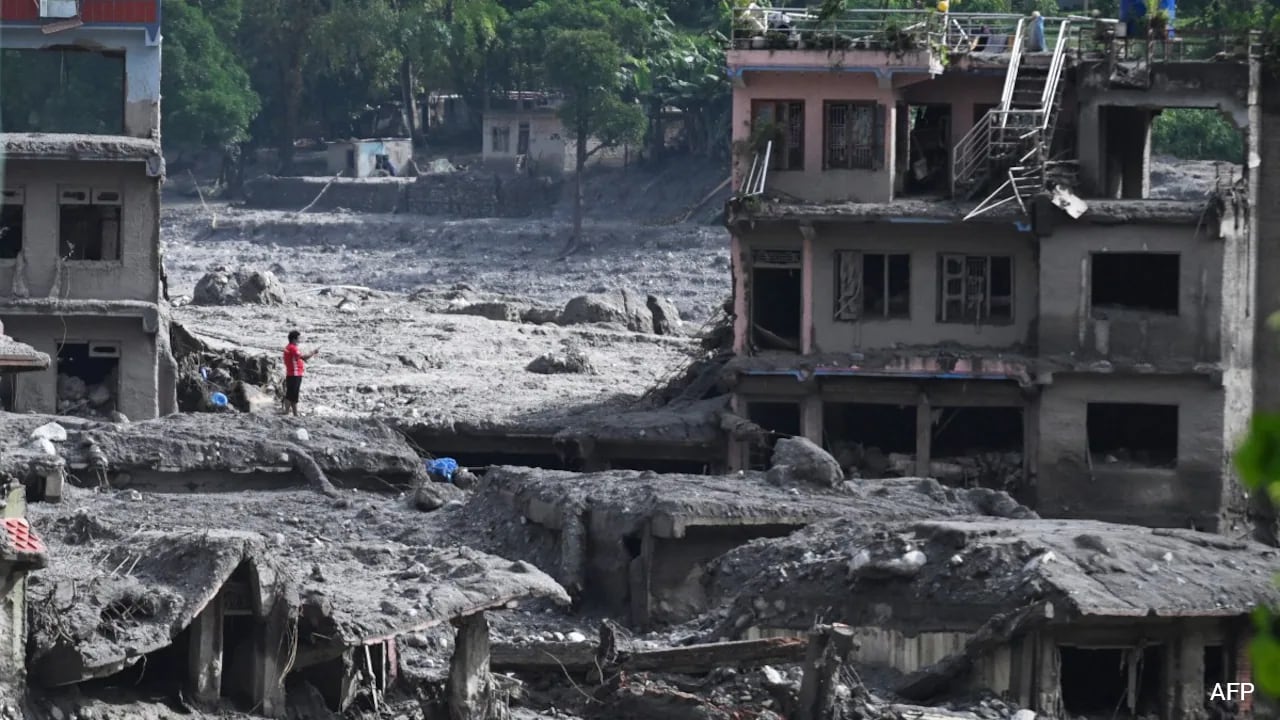
The acceleration of glacial melting due to El Nino and climate change has triggered devastating floods in Nepal, serving as a critical wake-up call for India's disaster preparedness.
- Climate change and El Nino are synergistically accelerating the melting of Himalayan glaciers.
- Nepal's flood crisis highlights a critical gap in regional early warning and communication systems.
- Real-time monitoring is essential to mitigate the risk of multi-hazard incidents in high-altitude regions.
The recent catastrophic flooding in Nepal has sent ripples of concern across South Asia, highlighting a precarious environmental tipping point. The convergence of El Nino and anthropogenic climate change has significantly accelerated the rate of glacial retreat in the Himalayas, creating a volatile environment ripe for multi-hazard disasters, including Glacial Lake Outburst Floods (GLOFs).
When glaciers melt at an unnatural pace, they often form unstable proglacial lakes. The sudden breach of these lakes can send torrents of water, debris, and boulders downstream, obliterating entire villages in minutes. The events in Nepal underscore a fundamental truth: structural defenses are secondary to the power of accurate forecasting and rapid communication.
Why This Matters
BozokMedia analysis shows that the hydrological connectivity between Nepal and India means that disasters in the upper riparian zones have an immediate downstream impact on Indian territories. The lack of a seamless, cross-border real-time data exchange mechanism remains a strategic vulnerability that could lead to avoidable loss of life during future climate emergencies.
"The sensitivity of the Himalayan ecosystem demands a shift from reactive disaster management to a proactive, predictive paradigm."
Historical data indicates that while South Asia has always grappled with monsoon variability, the current era of 'climate chaos' introduces unprecedented variables. The 2013 Kedarnath tragedy serves as a grim reminder of what happens when glacial instability meets extreme precipitation. Nepal's current crisis is a mirror reflecting the potential future of India's own hill states if monitoring systems are not modernized immediately.
| Factor | Traditional Flooding | Climate-Induced Glacial Flood |
|---|---|---|
| Primary Cause | Heavy Monsoon Rainfall | Glacial Melt + El Nino Effect |
| Velocity | Slow to Moderate | Rapid and High-Energy |
| Predictability | Relatively Predictable | Highly Complex and Erratic |
Frequently Asked Questions
1. How does El Nino contribute to glacial melting?
El Nino raises global average temperatures, which increases the thermal stress on high-altitude ice sheets, leading to accelerated melting.
2. What steps should India take to prevent similar disasters?
India must invest in satellite-based glacial monitoring, advanced hydrological modeling, and strengthen bilateral data-sharing treaties with Nepal.