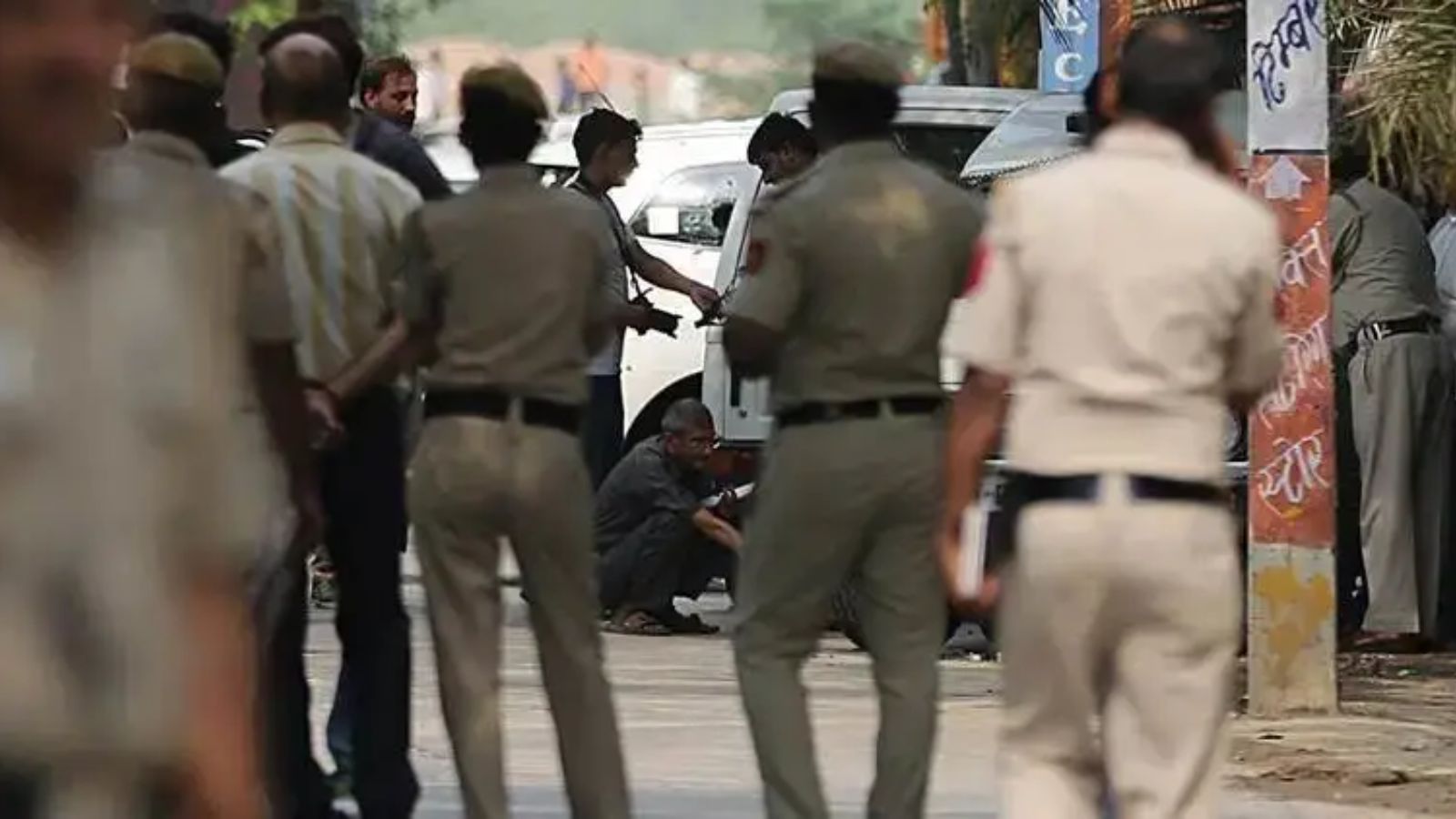
A violent attack on musician C Vikram Singh in Delhi has sparked a fierce political battle between Union Minister Kiren Rijiju and Congress MP Rahul Gandhi over the 'politicization' of the tragedy.
- Manipur musician C Vikram Singh was beaten to death in the national capital.
- Union Minister Kiren Rijiju praised the swift arrests made by Delhi Police.
- Rahul Gandhi criticized the government, leading to a heated exchange over 'playing politics'.
The brutal murder of C Vikram Singh, a musician hailing from Manipur, has sent shockwaves through the capital and ignited a high-stakes political confrontation. While the crime itself is a grim reminder of urban violence, the subsequent reaction from India's top political leaders has turned the tragedy into a battleground for narrative control.
Union Minister Kiren Rijiju has stepped forward to defend the administrative response, asserting that the Delhi Police acted with exemplary speed. He emphasized that the suspects were apprehended shortly after fleeing the scene, suggesting that the legal machinery is functioning efficiently. Rijiju's core argument is that such a sensitive loss of life should not be weaponized for political gains.
Why This Matters
BozokMedia analysis shows that the tension between Rijiju and Rahul Gandhi is a microcosm of the broader national debate over Manipur's instability. The murder of a Manipuri citizen in Delhi serves as a catalyst, amplifying existing grievances and highlighting the fragility of social cohesion when regional conflicts bleed into metropolitan centers.
"When crime targets individuals from marginalized or conflict-affected regions, the state's response must be seen as impartial to prevent further social fragmentation."
In stark contrast, Congress MP Rahul Gandhi has leveraged the incident to question the safety of citizens and the overarching failure of the current administration to maintain law and order. Gandhi's critique extends beyond the Delhi murder, linking it to the systemic unrest in Manipur, arguing that the government is ignoring the root causes of such violence.
Historically, individuals from North-East India have faced systemic challenges and occasional xenophobia in mainland Indian cities. The death of C Vikram Singh brings these long-standing issues back into the spotlight, raising questions about the inclusivity and safety of the national capital for those coming from the periphery.
Frequently Asked Questions
1. What was the police response to the murder?
The Delhi Police acted swiftly to track down and arrest the suspects who had attempted to flee the scene immediately after the attack.
2. What is the point of contention between the two leaders?
Minister Kiren Rijiju believes the matter should be handled purely as a legal case, while Rahul Gandhi views it as a symptom of larger governmental failures regarding safety and regional stability.