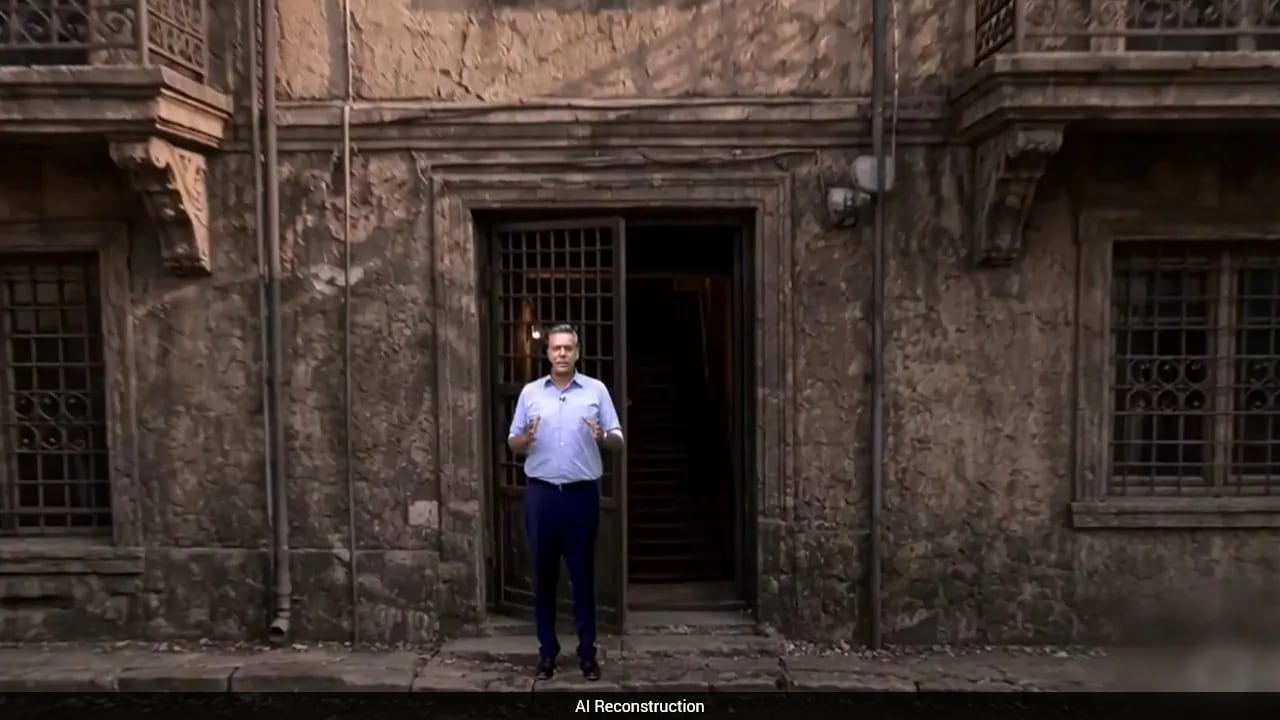
The Supreme Court of India is set to review the tragic building collapse in Delhi's Satya Niketan. An Amicus Curiae has urged the court to mandate safety inspections for all Paying Guest (PG) accommodations across the city to prevent future disasters.
- The Supreme Court is reviewing the Satya Niketan collapse to identify systemic failures.
- Amicus Curiae has sought directions for a city-wide inspection of PG hostels.
- NHRC has urged the State and UGC to address the acute shortage of university hostels.
The devastating building collapse in Satya Niketan, Delhi, has triggered a legal battle over urban safety and administrative negligence. The Supreme Court has now stepped in to examine the circumstances leading to the tragedy, which claimed the lives of students and left many injured. The core of the legal inquiry focuses on whether municipal bodies ignored repeated warnings regarding structural instability.
The court-appointed Amicus Curiae has filed a plea emphasizing that the tragedy is a symptom of a larger crisis. Thousands of students residing in unregulated Paying Guest (PG) accommodations in Delhi, particularly around the university hubs, are living in 'death traps' due to illegal floor additions and lack of fire safety audits.
Why This Matters
BozokMedia analysis shows that this incident highlights a critical gap in urban governance. The lack of a formalized licensing regime for PG accommodations allows landlords to maximize profit by adding unstable floors without engineering approval. This structural greed, coupled with a shortage of official university housing, forces students into precarious living conditions.
"The systemic failure to regulate rental housing in student hubs is a ticking time bomb for urban centers."
In a parallel development, the National Human Rights Commission (NHRC) has demanded that the State Government and the University Grants Commission (UGC) formulate a comprehensive plan to tackle the hostel shortage at Delhi University. The scarcity of official housing is the primary driver behind the proliferation of unsafe private PGs.
Following the public outcry and the victims' families' allegations of administrative apathy, the Delhi government is now drafting a new PG Policy. This proposed policy aims to introduce mandatory registration, rent regulation, and periodic structural safety certifications for all private student rentals.
1. What is the Amicus Curiae requesting from the Supreme Court?
The Amicus is seeking a court order to inspect all PG accommodations in Delhi to ensure they meet basic safety and structural standards.
2. How is the government responding to the tragedy?
The Delhi government is planning a new PG Policy to regulate licenses, rents, and safety norms for student housing.