A Tesla Model 3 reportedly ran a stop sign in New Jersey, leading to a fatal collision with a Honda Civic. While local reports blamed human error, Tesla's own internal data confirms that its driver-assist system was engaged at the time of the impact.
- A fatal collision occurred in Buena Vista Township, NJ, involving a Tesla Model 3 and a Honda Civic.
- Tesla's internal telematics confirmed the driver-assist system was 'Verified Engaged' during the crash.
- Tesla redacted critical details like software version and crash narrative, citing 'confidential business information.'
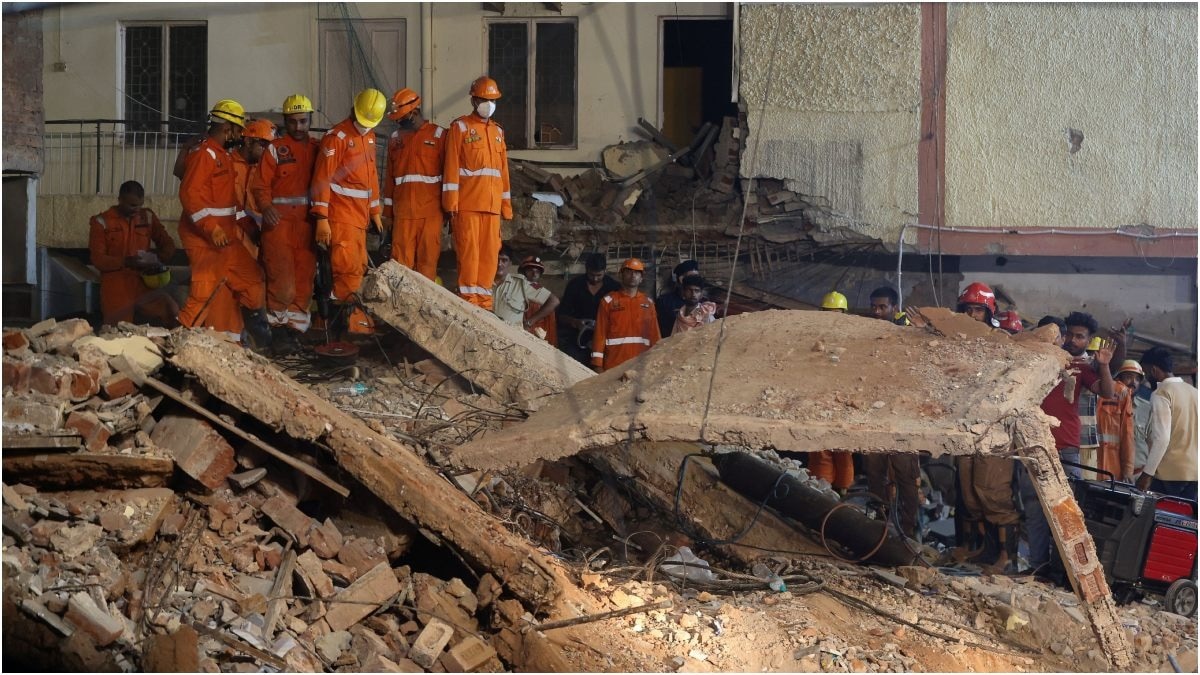
A tragic accident in Buena Vista Township, New Jersey, has reignited the debate over the safety and transparency of Tesla's automated driving systems. On Sunday, July 6, 2025, a Tesla Model 3 failed to stop at a posted stop sign at the intersection of County Route 671 and Chestnut Avenue, striking a Honda Civic. The collision resulted in the death of the Civic's driver, 82-year-old Stephen Field.
While initial local reports characterized the incident as a standard human-error accident, an investigation by Electrek has uncovered a more complex reality. According to data Tesla filed with the NHTSA (National Highway Traffic Safety Administration), the vehicle's automation status was marked as "Verified Engaged" at the time of the crash. This means the car's own computers recorded that a driver-assist system was active.
Why This Matters
BozokMedia analysis shows that the discrepancy between public perception and technical reality is a growing danger. Tesla markets its software under the evocative name "Full Self-Driving," which can lead to driver complacency. If a system designed to navigate urban environments fails to recognize a basic stop sign, it highlights a critical gap between marketing promises and actual machine capability.
The gap between 'Full Self-Driving' branding and Level 2 reality is creating a dangerous complacency among drivers.
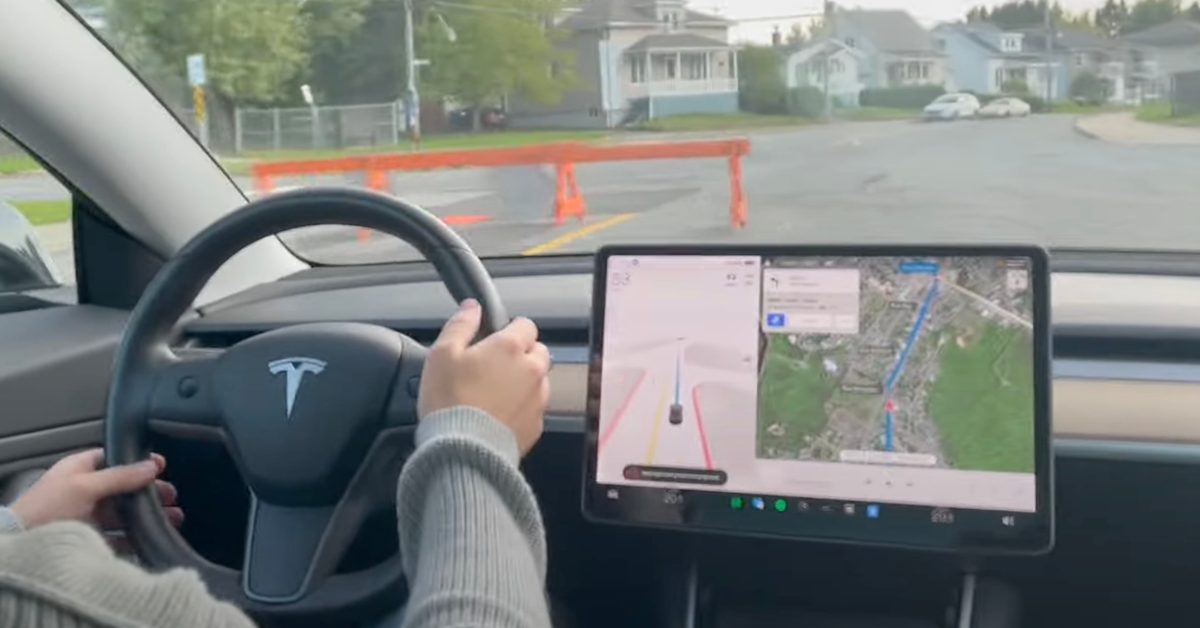
Because the crash occurred at an intersection requiring a stop, technical experts suggest the car was likely running Full Self-Driving (FSD) rather than basic Autopilot. Standard Autopilot is primarily a highway-based lane-keeping system and is not designed to handle stop signs. However, Tesla has conspicuously redacted the software version and the specific crash narrative in its federal filings, labeling them as "confidential business information.'
This pattern of redaction is consistent with Tesla's reporting habits, where nearly 99.9% of their data is obscured. This lack of transparency prevents regulators and the public from understanding whether the software failed to see the sign or if a driver misapplied the pedals—a theory suggested by the car's recorded pre-crash speed of just 4 mph.
Frequently Asked Questions
Question 1: What is the difference between Autopilot and FSD?
Answer: Autopilot is designed for highway driving and lane assistance, while FSD is intended to handle city streets, turns, and traffic signals.
Question 2: Why did Tesla redact the crash details?
Answer: Tesla classifies specific software versions and crash narratives as proprietary business information to protect their intellectual property.
| System | Primary Environment | Stop Sign Capability |
|---|---|---|
| Autopilot | Highways | Minimal/None |
| Full Self-Driving (FSD) | Urban/City Streets | Intended to handle |