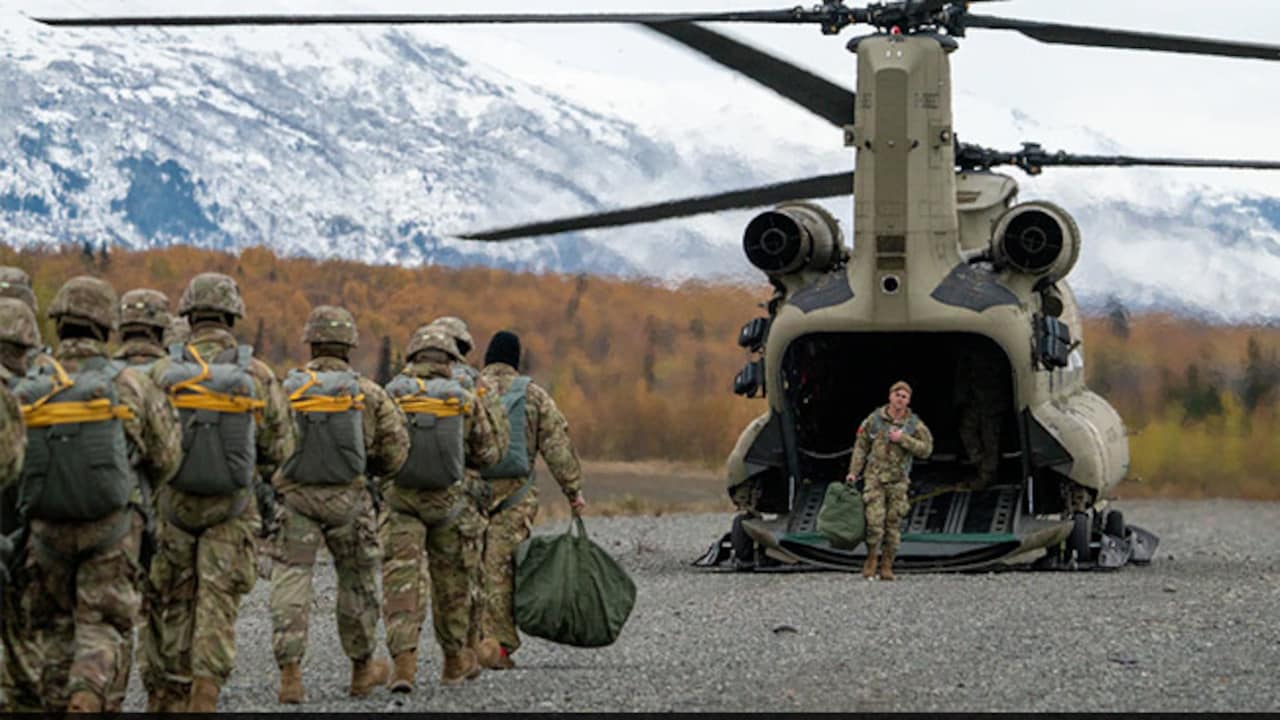
After maintaining a massive military and intelligence apparatus in the Middle East for over 20 years, the US is reportedly planning a significant strategic drawdown following potential conflicts with Iran.
- The US is planning to reduce its long-term military and intelligence footprint in the Middle East.
- The drawdown is expected to accelerate following the conclusion of potential hostilities with Iran.
- This marks a shift away from the heavy interventionism seen over the last two decades.
For more than twenty years, the United States has maintained an expansive military and intelligence presence across the Middle East. From the invasion of Iraq to the war in Afghanistan and the ongoing containment of Iranian influence, the region has been the primary theater for US security operations since the early 21st century.
However, emerging reports suggest that Washington is preparing to scale back this presence. This strategic contraction is not merely a tactical withdrawal but a broader shift in how the US intends to project power in a multipolar world. The goal is to move away from permanent bases toward a more agile, rotational force structure.
Why This Matters
BozokMedia analysis shows that this shift is a direct result of the 'Pivot to Asia' strategy. By decoupling from the costly and politically draining conflicts of the Middle East, the US can redirect its resources toward the Indo-Pacific to counter the rise of China. This transition signals the end of the 'Forever War' era and a move toward strategic deterrence rather than active occupation.
"The US is evolving from a regional policeman to a strategic partner, prioritizing efficiency over sheer volume of boots on the ground."
Historically, the US presence in the Middle East was defined by the Global War on Terror. However, the changing nature of warfare—shifting toward cyber-attacks, drone technology, and proxy conflicts—has rendered large-scale troop deployments less effective and more politically risky at home.
The proposed drawdown suggests that the US will rely more heavily on local allies for regional security. While the US will likely maintain key intelligence hubs and naval access, the massive troop concentrations of the past two decades are becoming a relic of the past.
Frequently Asked Questions
1. Does this mean the US is abandoning its allies in the region?
No, but it means the nature of the partnership is changing. The US will likely provide more high-tech weaponry and training rather than providing direct troop protection.
2. How does the conflict with Iran trigger this change?
A decisive resolution or a stabilized deterrence with Iran would remove the primary justification for maintaining a massive, permanent military presence in the region.