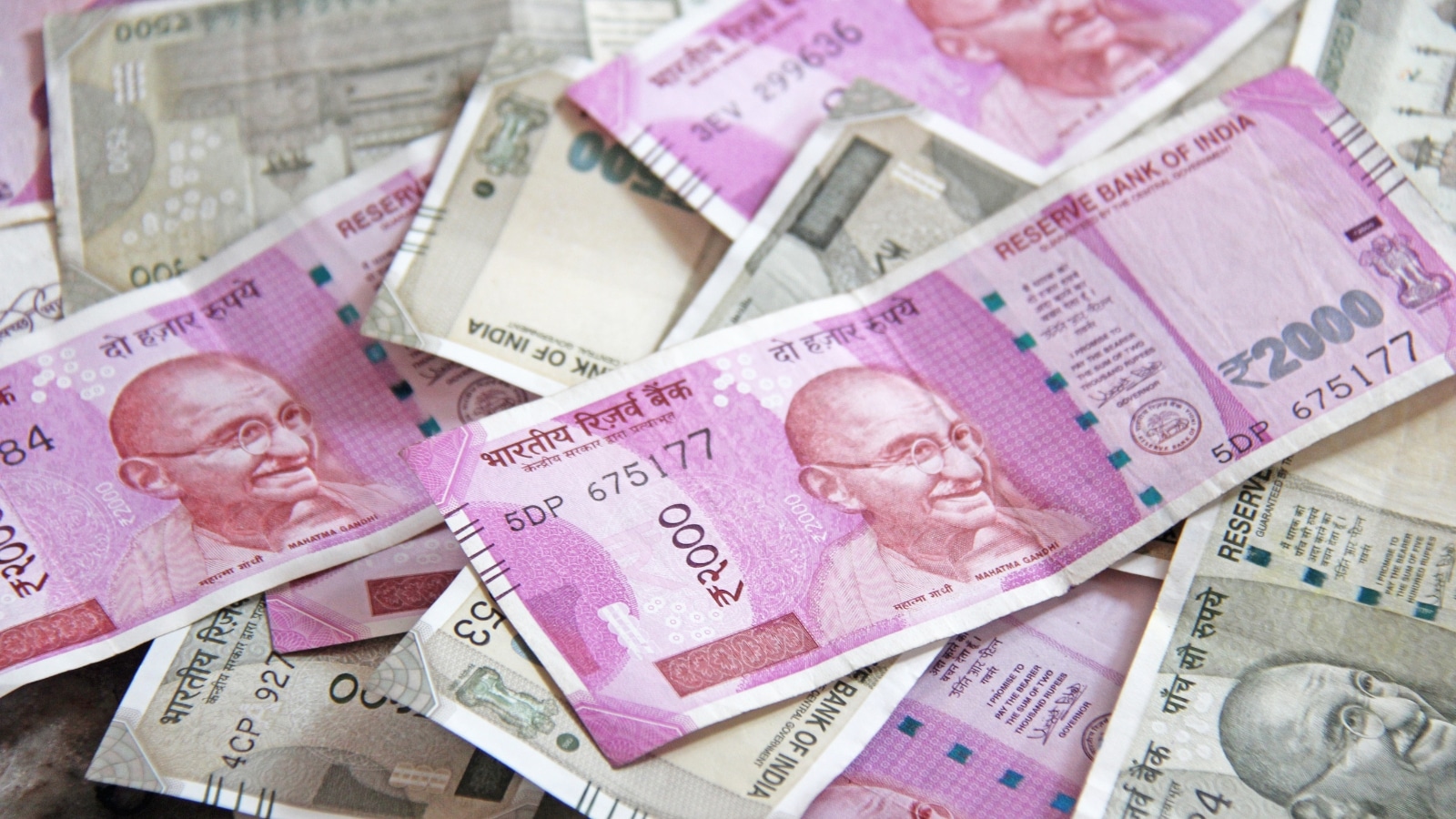
As preparations for the BRICS summit intensify in Delhi, the US, particularly Donald Trump, is eyeing the bloc's expansion. Iran's growing influence and the push for de-dollarization have triggered significant anxiety in Washington.
- Expansion of BRICS poses a direct threat to the global dominance of the US Dollar.
- Iran's inclusion shifts the geopolitical dynamics of the Middle East.
- India faces a delicate diplomatic tightrope between the US and BRICS partners.
New Delhi is currently witnessing massive preparations for the BRICS summit. High-profile venues like ITC Maurya and Taj Palace are being fortified with stringent security measures to host global leaders including Russian President Vladimir Putin and Chinese President Xi Jinping. The Delhi Traffic Police have issued advisory notices, and the NSG has executed a massive security drill titled 'BRICS Kavach' to counter potential terror threats.
Beyond the logistical grandeur, a profound geopolitical tension simmer beneath the surface. The United States, and specifically Donald Trump, views the expansion of BRICS with deep suspicion. The primary concern is 'De-dollarization'—the collective effort by BRICS nations to reduce reliance on the US dollar in international trade, which could undermine the core of American economic leverage.
Why This Matters
BozokMedia analysis shows that BRICS is evolving from a mere economic forum into a strategic political alliance. The inclusion of countries like Iran complicates US sanctions regimes, potentially rendering Western financial weaponry obsolete. If the bloc successfully implements an alternative payment system, the US loses its most potent non-military tool of influence.
"The expansion of BRICS is not just about adding members; it is a systematic attempt to challenge the Westphalian order of global governance."
For India, this presents a complex strategic paradox. While New Delhi is strengthening its strategic partnership with the US to counter regional threats, it remains a founding member of BRICS and a champion of the Global South. India's challenge lies in maintaining its 'Strategic Autonomy' without alienating either side.
| Factor | US Perspective | BRICS Perspective |
|---|---|---|
| Currency | Dollar Hegemony | Local Currency Trade |
| Politics | Western Leadership | Multipolar World Order |
| Iran | Strict Sanctions | Strategic Cooperation |
Historically, BRICS began as a grouping of emerging economies. However, it has now morphed into a bloc that is rewriting the rules of security, energy, and trade. The presence of Putin and Xi Jinping in Delhi underscores the reality of an Asia-centric global shift.
Frequently Asked Questions
Q1: Why is the US concerned about BRICS?
The main fear is the erosion of the US dollar's status as the global reserve currency and the rise of a China-Russia led economic alternative.
Q2: What is the risk for India?
India risks being caught in the crossfire of a US-China rivalry while trying to maintain its leadership role within the BRICS framework.