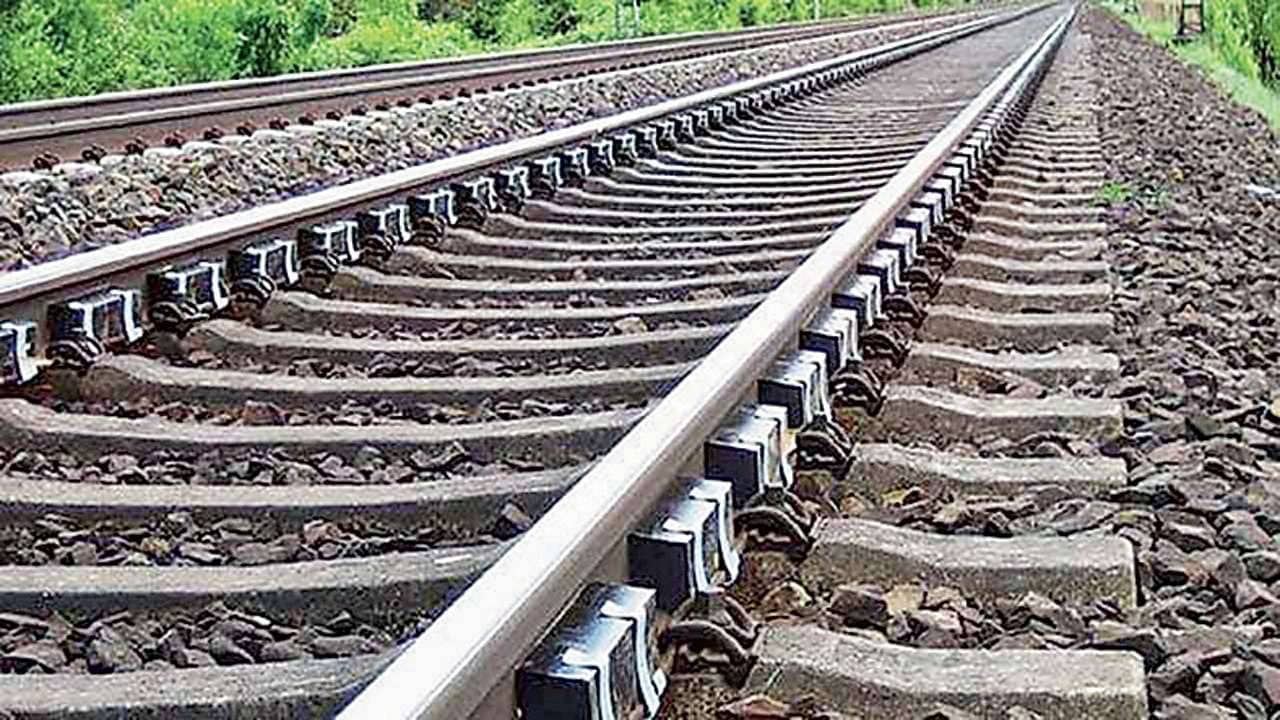
The Union Cabinet has greenlit five major multi-tracking railway projects totaling Rs 10,021 crore to enhance connectivity and efficiency across 17 districts in South India.
- Total Investment: Rs 10,021 Crore
- Coverage: 17 districts across Tamil Nadu, Andhra Pradesh, Karnataka, and Telangana
- Primary Goal: Increasing line capacity and operational reliability
In a significant move to modernize the national transport grid, the Union Cabinet has approved five critical multi-tracking railway projects with a combined investment of Rs 10,021 crore. These projects are strategically spread across five states, focusing heavily on the southern peninsula, including Tamil Nadu, Andhra Pradesh, Karnataka, and Telangana. The initiative aims to eliminate bottlenecks caused by single-line sections.
The scope of these projects covers 17 districts, ensuring that regional connectivity is enhanced. By converting single tracks into multi-track lines, the Indian Railways intends to reduce the waiting time for trains at crossing stations, thereby increasing the average speed of both passenger and freight services. This expansion is expected to significantly alleviate congestion on some of the busiest routes in the country.
Why This Matters
BozokMedia analysis shows that this move is a calculated step toward integrating the 'PM Gati Shakti' National Master Plan. By increasing throughput in these specific southern corridors, the government is effectively lowering the logistics cost for industries and speeding up the transit of goods from ports to the hinterland, which is vital for regional economic growth.
"The shift toward multi-tracking is the most cost-effective way to increase capacity without the need for entirely new corridors."
Historically, the Indian Railways has struggled with 'saturation' on its core routes, where the number of trains exceeds the track's capacity. The current focus on multi-tracking represents a shift toward optimizing existing assets. These projects will provide the necessary headroom for introducing more high-speed trains and augmenting the frequency of existing services without compromising safety.
Beyond operational efficiency, the projects are expected to have a positive socio-economic impact. Improved rail connectivity often leads to increased urbanization and business opportunities in the smaller districts involved. Furthermore, by shifting more freight from road to rail, the government is aligning with global sustainability goals to reduce the carbon footprint of the logistics sector.
Frequently Asked Questions
Q1: Which states are primarily benefiting from these projects?
A: The projects span across Tamil Nadu, Andhra Pradesh, Karnataka, and Telangana.
Q2: How will this affect the average commuter?
A: Commuters can expect reduced travel times, better punctuality, and potentially more train options due to increased track capacity.


