The Union Government has offered constitutional protections under Article 371(K) for Ladakh, though critical disputes over police and financial powers remain unresolved.
- The Centre proposed the introduction of Article 371(K) to provide special constitutional safeguards to Ladakh.
- A proposed elected body would have legislative powers over land, culture, language, and environment.
- Disagreements persist regarding the transfer of police, law and order, and budgetary powers.
- Next round of talks scheduled for the first week of October to discuss the formal draft.
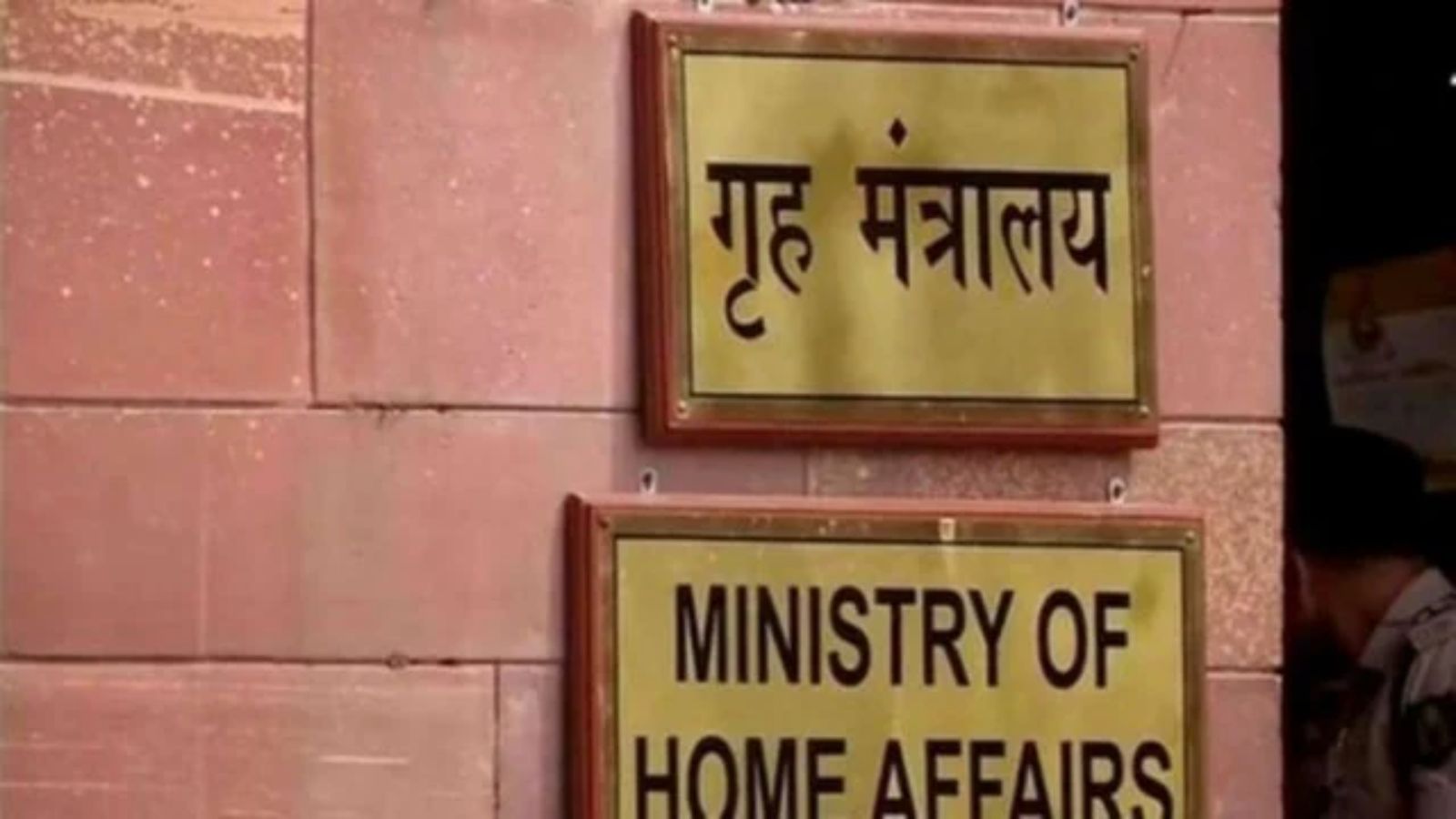
In a significant move toward resolving the long-standing political impasse in Ladakh, the Ministry of Home Affairs (MHA) has offered to introduce a new constitutional provision, Article 371(K). This proposal emerged during a high-level meeting in the national capital between MHA officials and the Ladakh Sub-Committee, which represents the Leh Apex Body (LAB) and the Kargil Democratic Alliance (KDA).
According to the proposal, the Union Territory would see the creation of a governance body elected through direct suffrage. This body would be granted legislative authority over critical local issues, including land, culture, language, forests, and natural resources. Currently, under Article 240 of the Constitution, the President of India holds the power to make regulations for the peace and progress of such union territories.
Why This Matters
BozokMedia analysis shows that by proposing Article 371(K), the Centre is attempting to pivot from a vague 'sui generis' (unique) arrangement to a structured constitutional framework. This allows the government to grant specific concessions while maintaining a legal ceiling on the amount of autonomy transferred, ensuring that strategic control over the border region remains intact.
Despite the offer, prominent activist Sonam Wangchuk and other representatives expressed caution. They emphasized that the proposed assembly must have supremacy over the bureaucracy and, crucially, control over police and law and order—powers that the MHA has deferred for discussion until October. The lack of a formal written draft has also led to skepticism among the KDA and LAB leadership.
The success of these talks depends not on the promise of an Article, but on the tangible transfer of executive and financial powers to the people of Ladakh.
Beyond governance, the meeting touched upon the humanitarian aspect of the September 2025 protests. The MHA has reportedly promised a compensation package for those injured or killed. However, the LAB and KDA are demanding a blanket withdrawal of all legal cases against protesters, rather than a phased approach.
The representatives have issued a stern warning: any irreversible structural changes to Ladakh's administration or land laws before the establishment of an elected body will trigger a renewed wave of public agitations across the region.
| Feature | Current Status (Art. 240) | Proposed Status (Art. 371K) |
|---|---|---|
| Legislative Power | Vested in President | Vested in Elected Body (Limited) |
| Administration | Appointed LG | Elected Assembly (Proposed) |
| Law & Order | Central Control | Undecided / Under Discussion |
Frequently Asked Questions
Q1: What is the significance of Article 371(K)?
It would provide Ladakh with a specific constitutional shield, allowing for special laws and protections tailored to its unique demographic and geographic needs.
He argues that without control over the police, law and order, and finances, an elected body would remain subordinate to the central bureaucracy.