In a major overhaul of the 30-year-old Public Distribution System, the Central Government will limit broken rice to 10% in PDS supplies across India starting October, following a successful pilot in Andhra Pradesh.
- The Central Government will implement a 10% cap on broken rice in PDS supplies nationwide from October.
- The policy is modeled after a successful pilot project conducted in Andhra Pradesh.
- Subsidized onions, toor dal, and palm oil will be provided to ease household costs.
- Andhra Pradesh is expanding 'Mee Marts' to ensure low-cost retail of essential commodities.
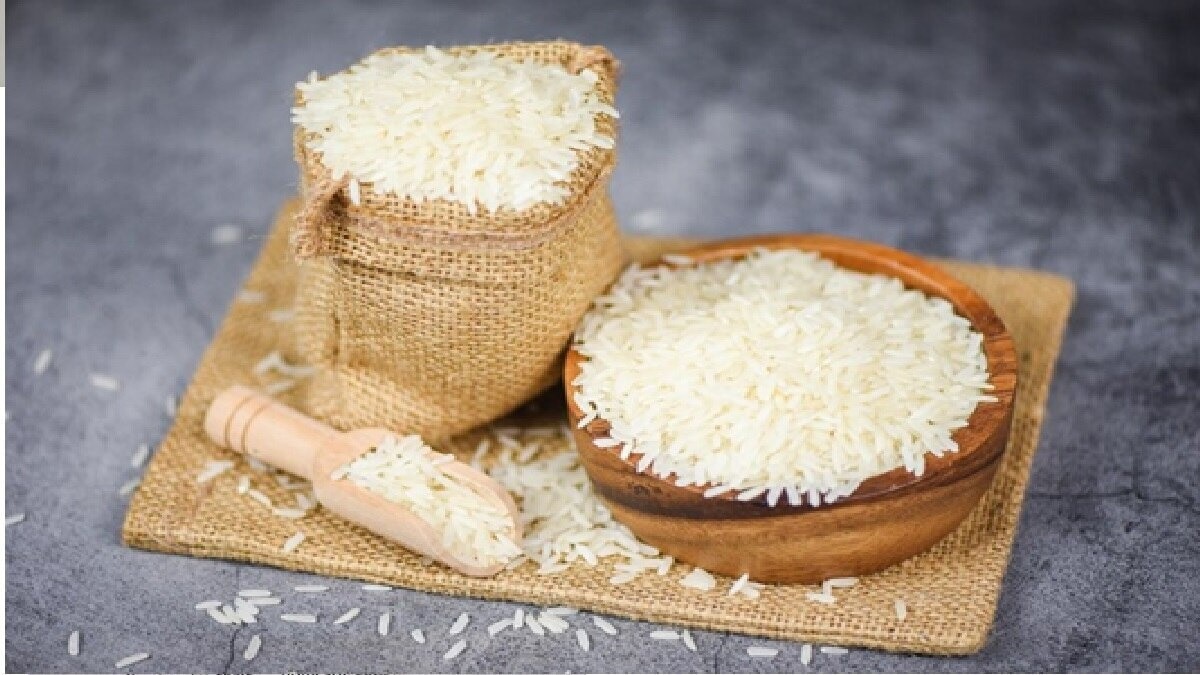
In a significant move to improve the quality of food grains distributed to millions of beneficiaries, the Union Government has announced that it will adopt the Andhra Pradesh model for the Public Distribution System (PDS). Starting next month, the quantity of broken rice supplied through fair price shops across India will be capped at 10 per cent. This decision follows a successful pilot project in Andhra Pradesh, which aimed to increase rice consumption by improving the grain's quality.
Andhra Pradesh Civil Supplies Minister N Manohar, following high-level meetings in Delhi, expressed that the national adoption of this policy is a matter of pride for the state. This shift represents one of the most substantial changes to the PDS rice distribution framework in three decades, signaling a move toward higher quality standards for the country's poorest populations.
Why This Matters
BozokMedia analysis shows that the PDS has historically been criticized for the high percentage of broken grains, which often leads to waste or lower consumption. By capping broken rice at 10%, the government is not just improving nutrition but also enhancing the dignity of the beneficiaries. This move indicates a strategic shift from merely providing 'calories' to providing 'quality nutrition'.
"The transition to a 10% broken rice cap is a pivotal step in modernizing India's food security architecture, ensuring that affordability does not come at the cost of quality."
Beyond rice, the Centre is collaborating with the National Cooperative Consumers' Federation of India (NCCF) to tackle inflation in other essential commodities. Due to adverse weather conditions caused by El Nino, onion prices have surged. To counter this, the government will utilize the Central Price Stabilisation Fund (PSF) to provide onions at a subsidized rate of Rs 32 per kg through 115 Rythu Bazars and mobile counters.
Furthermore, the support extends to other staples. Approximately 1.2 lakh tonnes of toor dal and 86,400 kilolitres of palm oil will be supplied at subsidized rates to 1.4 lakh families. These commodities will be priced roughly 30 per cent lower than current open market rates, providing critical relief to low-income households.
On the infrastructure front, Andhra Pradesh is scaling up its retail reach by establishing 1,000 Mee Marts in partnership with the NCCF. These marts are designed to provide high-quality essentials at lower prices. Additionally, the state is preparing for the Kharif season, with plans to procure approximately 38 lakh tonnes of paddy.
| Commodity | Market Trend | Government Intervention |
|---|---|---|
| Broken Rice | High variance in quality | Capped at 10% nationwide |
| Onions | Price hike (El Nino) | Subsidized at Rs 32/kg |
| Toor Dal/Oil | Market volatility | 30% lower than market price |
Frequently Asked Questions
Q1: When will the new broken rice cap be implemented?
The policy will be rolled out nationwide starting in October.
Q2: How will subsidized onions be distributed in Andhra Pradesh?
They will be sold through 115 Rythu Bazars and various mobile counters across the state.