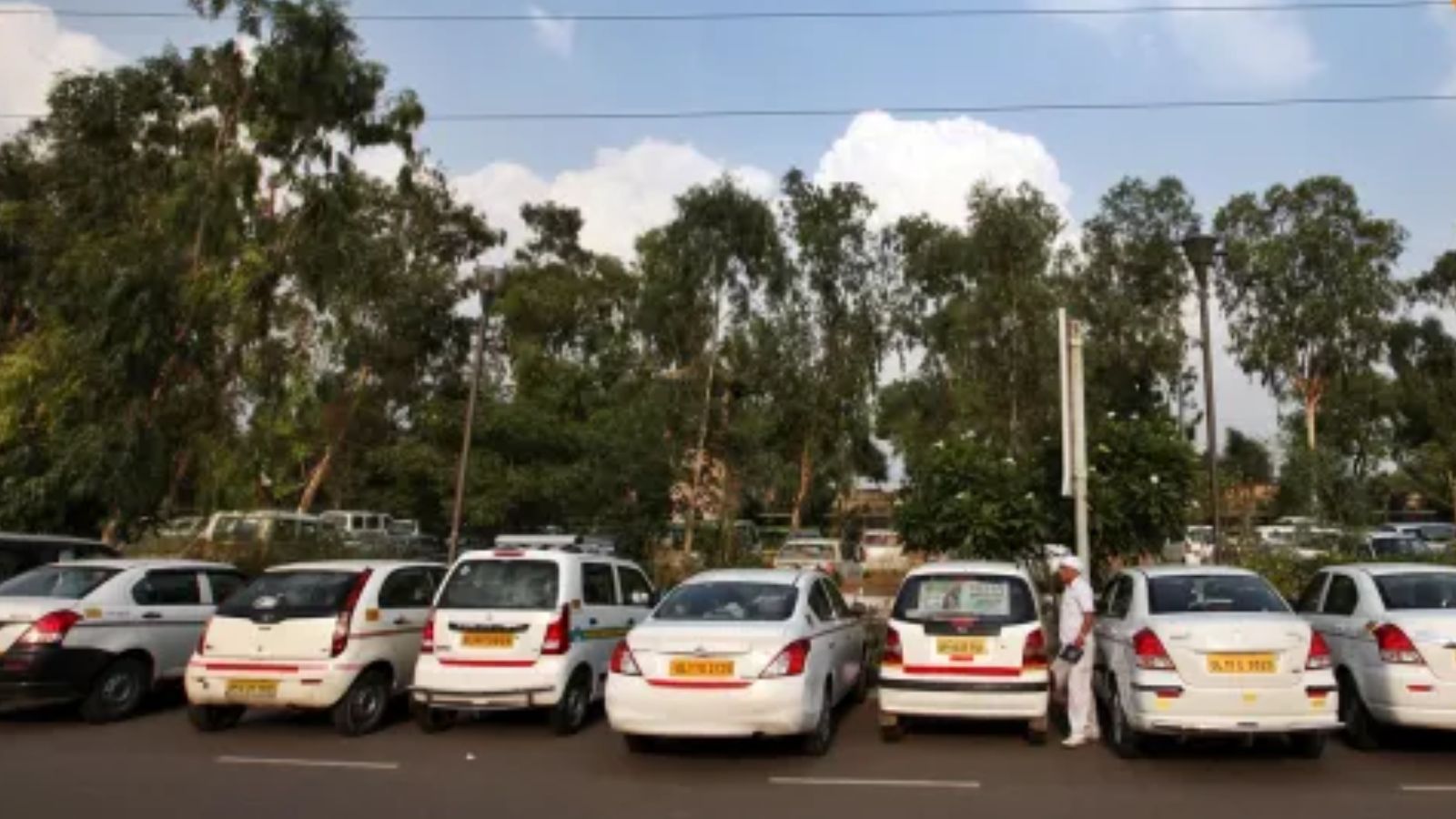
In a massive crackdown on app-based transport, the Chandigarh Administration has suspended the operational licences of Uber and Rapido due to systemic regulatory violations. The move leaves commuters in the Tri-city area with severely limited transport options.
- Uber and Rapido licences suspended for 6 months by State Transport Authority (STA).
- Violations include fare overcharging, lack of driver insurance, and use of non-commercial vehicles.
- Previous suspensions of Ola and inDrive have already crippled the city's app-based ride ecosystem.
The Chandigarh Administration has delivered a severe blow to the city's urban mobility landscape by suspending the licences of ride-hailing giants Uber and Rapido for a period of six months. This decision, effective immediately, comes after the State Transport Authority (STA) concluded that both companies repeatedly failed to adhere to the mandatory guidelines set forth in the Motor Vehicles Aggregators Rules, 2025.
The regulatory action is not an isolated incident but part of a broader crackdown. Earlier, the Union Territory had already suspended the licences of Ola and inDrive, citing similar failures regarding driver welfare and mandatory training protocols. With all major players now sidelined, the daily commute for thousands of professionals and students traveling between Chandigarh, Panchkula, and Mohali has been thrown into chaos.
Why This Matters
BozokMedia analysis shows that this move signals a shift from a 'growth-at-all-costs' approach to a 'compliance-first' regulatory environment. By targeting the subscription-based models and the use of private (non-commercial) vehicles, the administration is attempting to formalize the gig economy and protect passengers from arbitrary price hikes. This creates a precedent for other Indian cities to enforce stricter aggregator norms.
For Uber, the STA flagged a blatant disregard for the fare structure notified in July 2025, with numerous reports of passengers being overcharged. Furthermore, inspections of Uber's Sector 47-C office revealed the premises were locked during three separate visits in May, indicating a lack of local operational accountability.
The suspension of these aggregators highlights a critical failure in corporate governance where global platforms ignore local statutory requirements in favor of aggressive expansion.
Rapido faced similar scrutiny, particularly regarding its insurance policies. The STA found that Rapido's insurance for 'bike-taxi captains' was restricted to accidental death and injury, failing to meet the comprehensive insurance standards required by the 2025 rules. Like Uber, Rapido's office in Sector 32-D was found locked during multiple inspections, and the company was accused of utilizing non-commercial vehicles for paid rides.
| Violation Category | Uber Issues | Rapido Issues |
|---|---|---|
| Fare Compliance | Ignored July 2025 structure; overcharging | Alleged overcharging |
| Insurance/Safety | Driver training failures | Limited insurance (Death/Injury only) |
| Operational Presence | Sector 47-C office found locked | Sector 32-D office found locked |
| Vehicle Norms | Used non-commercial vehicles | Used non-commercial vehicles |
The friction has been further exacerbated by driver representatives, who claim that these platforms are charging commissions far exceeding the limits prescribed by the administration, leaving drivers with meager earnings despite long working hours.
Frequently Asked Questions
Q1: Can I still book a ride through Uber or Rapido in Chandigarh?
No, their licences have been suspended for six months with immediate effect.
Q2: Why were the licences suspended?
The suspension is due to violations of driver insurance, fare structures, use of non-commercial vehicles, and lack of physical office presence.