Traders in Old Delhi's historic Chandni Chowk are learning French, Chinese, and Japanese to attract BRICS delegates. From luxury jewelry to traditional sweets, the market is undergoing a cultural and linguistic makeover.
- Chandni Chowk traders are learning basic French, Chinese, and Japanese to communicate with BRICS delegates.
- Jewelers and textile merchants are introducing new designs specifically curated for international tastes.
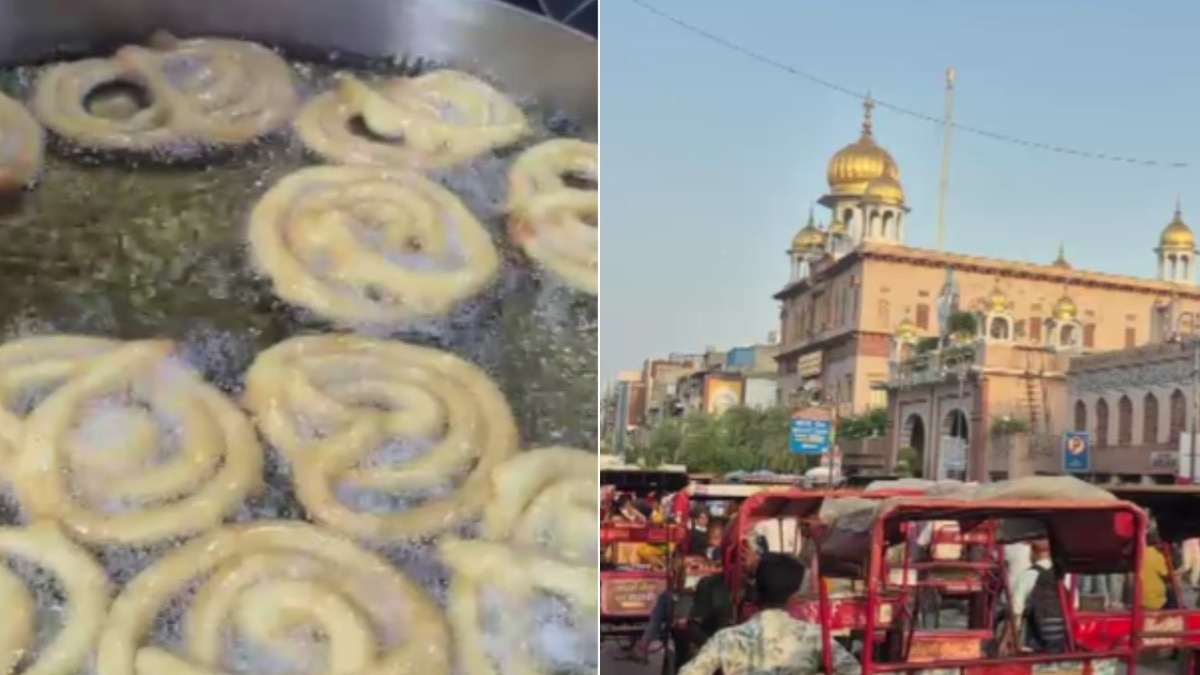
- Local food vendors are preparing traditional delicacies like desi ghee Jalebis for global guests.
Delhi's iconic Chandni Chowk is transforming itself into a multilingual hub as the city prepares to host the BRICS summit. In an unprecedented move, the traditional traders of Old Delhi—known for their deep-rooted customs—are brushing up on foreign languages including English, French, Chinese, and Japanese. The goal is simple: to bridge the communication gap and showcase India's rich commercial heritage to world leaders and their delegations.
The enthusiasm is palpable across the narrow lanes of the market. Many veteran shopkeepers are relying on their children, who study foreign languages in school, to act as tutors. This intergenerational effort highlights a shift in the market's mindset, moving from a domestic-centric approach to a global business outlook. Traders are not only focusing on language but also on extensive cleanliness drives and behavioral training for their staff to ensure a world-class welcome.
Why This Matters
BozokMedia analysis shows that this grassroots linguistic shift is more than just a gesture of hospitality; it is a strategic economic move. By aligning their communication skills with the nationalities of BRICS member states, Chandni Chowk traders are attempting to pivot from traditional retail to high-value international exports. This represents a democratization of diplomacy, where local vendors are taking an active role in India's global branding.
"The linguistic adaptation of traditional markets during global summits serves as a powerful catalyst for long-term international trade partnerships."
The jewelry sector, a cornerstone of Chandni Chowk's economy, is seeing the most significant changes. Satyendra Jain, whose family has operated a jewelry shop since 1924, emphasizes that the market is treating this summit with the celebration and planning typically reserved for a family birth. Jewelers are introducing new designs that blend traditional Indian craftsmanship with tastes that might appeal to guests from Russia, China, or Brazil.
Similarly, textile merchants are eyeing the summit as a gateway to expand their footprint. While they already export to Middle Eastern markets, the addition of French and East Asian languages is seen as a way to penetrate new luxury markets. The sentiment among merchants like Shri Bhagwan Bansal is one of immense pride, viewing the presence of heads of state in Delhi as a validation of their global standing.
No visit to Old Delhi is complete without its culinary delights. Legendary food outlets, including jalebi shops operating for over a century, are prepping their best offerings. Ramakant Sharma, a renowned sweet vendor, is ensuring his desi ghee jalebis are ready for international palates, hoping that the sweetness of Indian hospitality will leave a lasting impression on the BRICS delegates.
Frequently Asked Questions
Q1: Which languages are the traders specifically learning?
Traders are focusing on English, French, Chinese, and Japanese to cater to the diverse delegations attending the BRICS summit.
Q2: How are the elderly traders learning these languages?
Many are being taught by their children and grandchildren who are studying these languages in modern educational institutions.