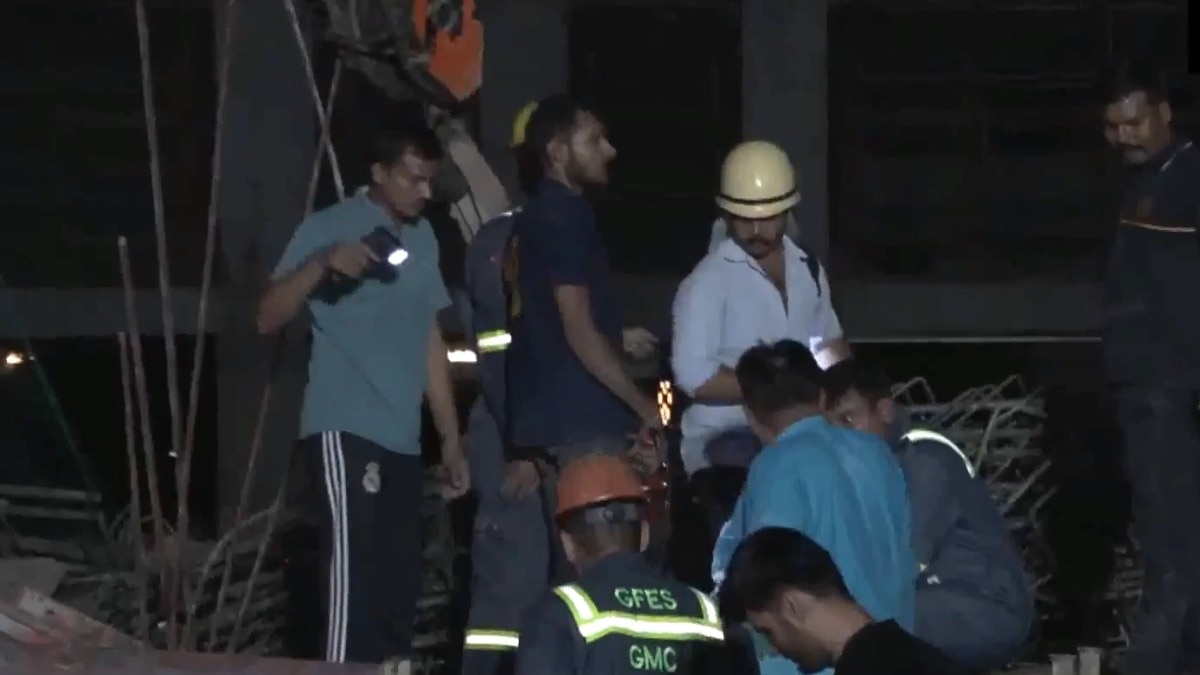
A high-level panel discussion has exposed critical failures in Delhi's urban governance, linking illegal construction and the student housing crisis to a broader lack of safety standards. Experts call for urgent systemic reforms to prevent recurring tragedies.
- Systemic failure in coordinating between MCD, Home Ministry, and Delhi Government.
- Severe shortage of university hostels driving students toward dangerous, unregulated PG accommodations.
- Urgent demand for drone mapping and safety audits to categorize buildings.
In a recent critical panel discussion, experts and policymakers dissected the ongoing demolition drives across the national capital, emphasizing that the root cause of urban instability is a chronic disregard for food safety, building standards, and civic accountability. The discourse centered on the chaotic enforcement actions following a series of building-related tragedies that have claimed numerous lives across Delhi.
The panel highlighted a jurisdictional nightmare where the Municipal Corporation of Delhi (MCD), the Union Home Ministry, and the Delhi government often operate in silos. This lack of coordination has created a vacuum where illegal constructions flourish, often sanctioned by corrupt networks of local officials and builders who bypass safety codes for profit.
Why This Matters
BozokMedia analysis shows that the demolition drives are often reactive rather than preventive. Instead of a comprehensive urban renewal strategy, the city relies on 'bulldozer justice' after a tragedy occurs. This approach fails to address the underlying demand for affordable housing, particularly for the thousands of students migrating to Delhi every year.
A significant portion of the discussion focused on the student accommodation crisis. With university hostels unable to keep pace with enrollment, students are forced into unregulated paying guest (PG) facilities. These buildings often lack fire exits, have illegal basement extensions, and violate structural safety norms, turning them into potential death traps.
"The issue here is not just about illegal bricks and mortar, but a fundamental collapse of food safety and living standards in our urban hubs."
The role of the local police was also scrutinized. While the police are the first responders to building collapses and fires, there is a documented failure in reporting illegal construction to civic authorities in real-time. NCRB data on building collapse fatalities suggests that these incidents are not 'accidents' but predictable outcomes of systemic neglect.
Historical Background
Delhi has a long history of unregulated growth. From the unauthorized colonies of the 1980s to the recent basement flooding tragedies in Old Delhi, the city has struggled to balance rapid urbanization with safety. Previous attempts at 'regularization' schemes have often incentivized builders to build illegally first and negotiate with the government later.
| Metric | Current Approach | Proposed Expert Model |
|---|---|---|
| Monitoring | Manual Inspections | Satellite & Drone Mapping |
| Classification | Generic 'Illegal' | Safe / Unsafe / Conditional |
| Enforcement | Reactive Demolitions | Preventive Safety Audits |
Frequently Asked Questions
Q1: Why are students most affected by illegal constructions?
A: Due to the acute shortage of official university hostels, students are forced into the private rental market where safety audits are rarely conducted.
Q2: How can drone mapping help in urban safety?
A: Drones provide real-time, accurate data on floor additions and unauthorized extensions that are often hidden from ground-level inspectors.