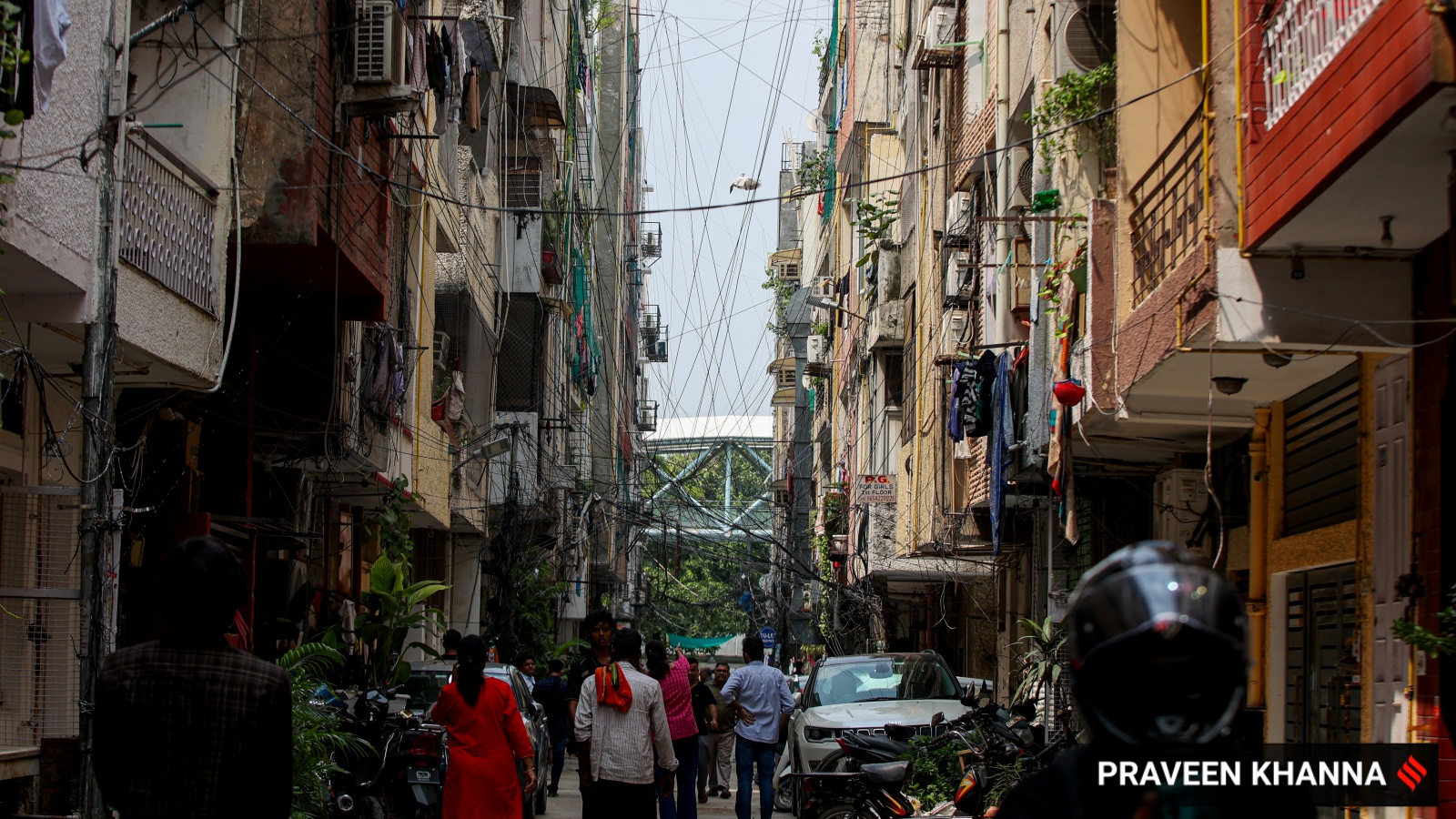
Following a tragic building collapse in Satya Niketan, the Delhi government is drafting a Bill to mandate licenses, fire safety NOCs, and public registration for all private PGs and hostels.
- Mandatory license, police clearance, and fire safety NOC within 90 days for all PGs.
- Launch of 'GovPG' portal for public listing and anonymous grievance redressal.
- Compulsory CCTV installation and night security guards for establishments with 15+ residents.
- Creation of 'Institutional Accommodation Committees' in colleges and universities.
In a decisive move to safeguard thousands of students, the Delhi government has proposed a comprehensive draft Bill to regulate private hostels and paying guest (PG) accommodations. The initiative comes in the wake of a devastating incident in Satya Niketan, where a five-storey private hostel collapsed, resulting in the deaths of seven people, including five students. Education Minister Ashish Sood, who heads the committee drafting the Bill, stated that provisions will be finalized within the next two months.
Under the proposed framework, every PG operator must obtain a license from the municipal zonal authority, clearance from the local police, and a No-Objection Certificate (NOC) for structural and fire safety from the Municipal Corporation of Delhi (MCD). Failure to comply within a 90-day window could lead to severe penalties or closure of the establishment.
Why This Matters
BozokMedia analysis shows that an estimated 2 lakh rooms are rented out as private PGs in student hubs like Mukherjee Nagar, Rajendra Nagar, and Laxmi Nagar. Currently, these operate in a regulatory vacuum with no official records of owners or tenants. This lack of oversight has led to arbitrary rent hikes, substandard living conditions, and a complete absence of safety protocols, turning these hubs into potential death traps.
"The transition from an informal rental market to a regulated ecosystem is essential to prevent urban tragedies and protect student rights."
Central to the Bill is the creation of a dedicated online portal called 'GovPG'. This platform will serve as a transparent directory where registered PGs must upload their capacity, rent details, and audit dates. Students will be able to verify the legitimacy of a PG and file complaints anonymously, which will then be tracked by the relevant Zone Authority.
To ensure physical security, the draft mandates the installation of functional CCTV cameras at all entrances and common areas, with a mandatory 30-day footage retention policy. Furthermore, PGs housing more than 15 students must employ a licensed security guard during night hours and appoint a resident warden capable of responding to emergencies within 15 minutes.
| Feature/Requirement | Current Status (Unregulated) | Proposed Regulation (Post-Bill) |
|---|---|---|
| Registration | No official records | Mandatory License & GovPG Listing |
| Safety Standards | Optional/Minimal | Mandatory CCTV & Night Security (15+ residents) |
| Grievance Redressal | Informal/Non-existent | Online Portal & Institutional Committees |
Frequently Asked Questions
1. Will this law apply to all private hostels in Delhi?
Yes, the draft Bill covers all private hostels and PG accommodations operating within the Delhi municipal limits.
2. What is the role of the Institutional Accommodation Committee?
These committees, comprising faculty and students, will act as a bridge between the educational institutes and the government to monitor student housing quality.