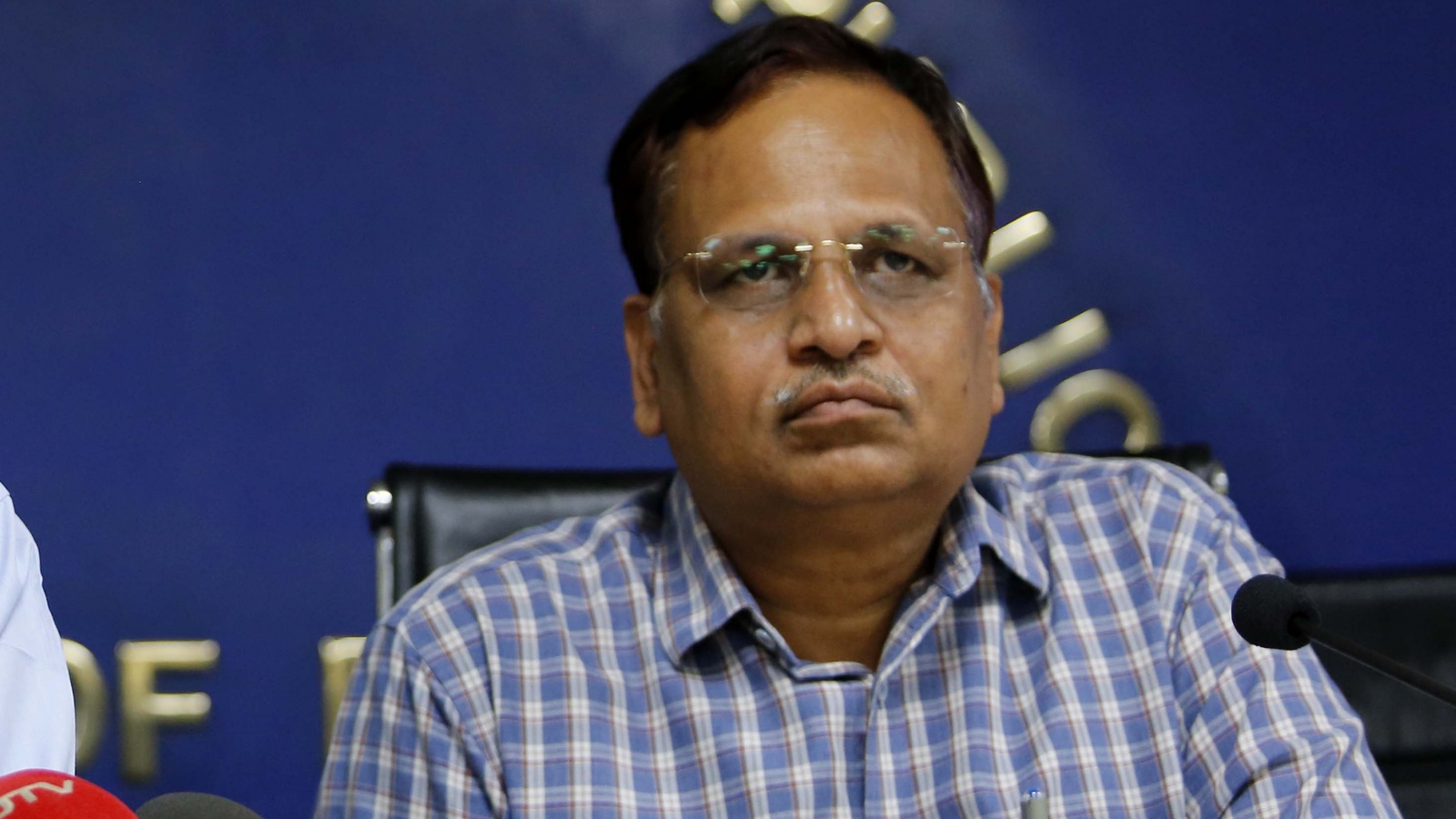
The Chairman of the Indian Space Research Organisation (ISRO) has decisively debunked rumours regarding the agency's privatisation, following an unprecedented letter of concern from the staff.
- ISRO Chairman explicitly stated that the agency will not be privatised.
- The clarification follows an unprecedented letter expressing anxiety among employees.
- Private participation in space is being encouraged, but ISRO's core remains governmental.
The head of the Indian Space Research Organisation (ISRO) has addressed the workforce in a critical session to quell growing anxieties regarding the potential privatisation of the agency. This move comes in response to an unprecedented letter penned by staff members, which highlighted deep-seated concerns about the future autonomy of the premier space institution.
The unrest within the organization stems from the broader shift in India's space policy. In recent years, the government has introduced entities like New Space India Limited (NSIL) and the Indian National Space Promotion and Authorization Centre (IN-SPACe) to facilitate private sector entry into the space economy. This transition led some employees to speculate that the entire organisation might eventually be privatised.
Why This Matters
BozokMedia analysis shows that this internal friction reflects the tension between traditional bureaucratic scientific research and the new 'NewSpace' commercial model. Ensuring that the workforce feels secure is paramount; otherwise, the brain drain of top-tier scientists to private global firms could severely hinder India's lunar and planetary exploration goals.
"Maintaining a state-led core for strategic space assets is non-negotiable for any emerging superpower seeking technological independence."
Historically, ISRO has operated as a government-funded entity, achieving global acclaim for its cost-effective missions, including the Mars Orbiter Mission (Mangalyaan) and the historic Chandrayaan-3 landing. The current policy is to delegate commercial launch services to the private sector while retaining core R&D within the state agency.
During the address, the Chairman emphasized that the dedication of the scientists and engineers is the bedrock of ISRO's success. He reiterated that the government remains committed to protecting the interests of its employees while evolving the space ecosystem to be more inclusive of private enterprise.
Frequently Asked Questions
1. Is ISRO moving towards a private corporate model?
No, the Chairman has officially stated that ISRO will not be privatised and will continue its role as a government agency.
2. What is the role of NSIL in this context?
NSIL is the commercial arm of ISRO designed to handle the commercialization of space technology, which is distinct from the privatisation of the parent agency.