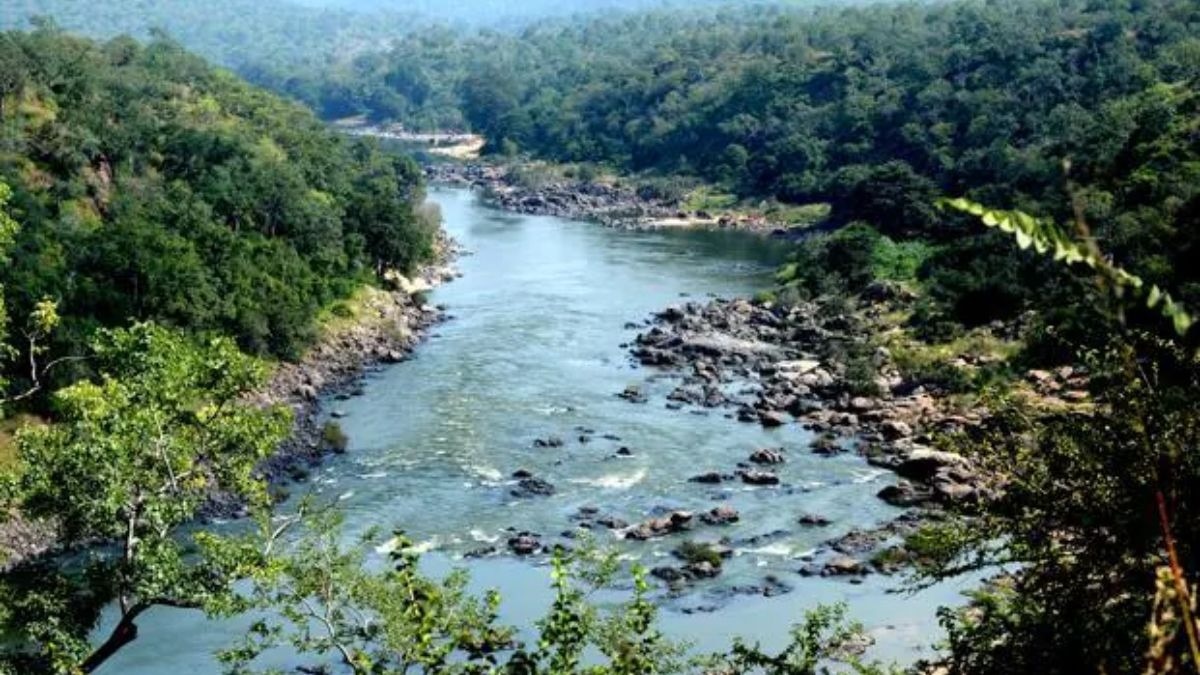
The Karnataka government is preparing to legally challenge the mandate to release 6,000 cusecs of Cauvery water daily to Tamil Nadu, citing critical reservoir levels and drinking water shortages.
- Karnataka is filing a petition in the Supreme Court against the CWMA order.
- The state is mandated to release 6,000 cusecs of water daily for 15 days.
- Critical reservoir levels make drinking water the absolute priority for Karnataka.
The long-standing Cauvery water dispute has entered a new phase of legal escalation as the Karnataka government prepares to move the Supreme Court. The state is challenging a directive from the Cauvery Water Management Authority (CWMA) which upheld the recommendation of the Cauvery Water Regulation Committee (CWRC) to ensure a daily flow of 6,000 cusecs of water to Tamil Nadu starting September 9.
Water Resources Minister N Chaluvarayaswamy confirmed that the decision was finalized following extensive deliberations with Chief Minister D K Shivakumar. The state is not only approaching the apex court but is also filing a review petition before the CWRC to contest the current order based on the ground reality of water availability.
Why This Matters
BozokMedia analysis shows that this conflict is no longer just about irrigation but has shifted toward a crisis of basic survival. With reservoir levels reaching critical lows, the tension between the two states highlights the fragility of water-sharing agreements in the face of erratic monsoon patterns. The legal battle underscores the struggle to balance interstate treaties with the immediate domestic needs of urban and rural populations.
"The intersection of climate volatility and rigid water-sharing quotas is turning administrative disputes into full-blown humanitarian concerns for the farming communities of both states."
Minister Chaluvarayaswamy emphasized that the current priority must remain the provision of drinking water and the replenishment of dried-up lakes and tanks. He noted that the situation would only stabilize if the region receives significant rainfall shortly after the Gowri-Ganesha festival. The state is also considering the appointment of a Special Advocate, a move suggested by former Chief Minister Basavaraj Bommai, to strengthen its legal standing before the Supreme Court.
Historical Background
The Cauvery river dispute is one of India's oldest interstate conflicts, pitting Karnataka (the upper riparian state) against Tamil Nadu (the lower riparian state). For decades, the two states have clashed over the allocation of water for agriculture and drinking purposes. While the Supreme Court has provided various judgments over the years, the implementation of these quotas often becomes a point of contention during drought years or poor monsoon seasons.
| Feature | Karnataka's Position | Tamil Nadu's Position |
|---|---|---|
| Priority | Drinking water and local lake filling | Agricultural irrigation and treaty compliance |
| Legal Action | Moving SC for relief from release order | Pressuring for immediate water flow |
| Water Status | Critical reservoir levels | Demand for mandated cusecs |
Frequently Asked Questions
Q1: Why is Karnataka opposing the water release?
Karnataka argues that its reservoir levels are critically low, and releasing water would jeopardize the drinking water supply for its citizens.
Q2: What is the CWMA?
The Cauvery Water Management Authority is the body responsible for regulating the release of water and resolving disputes between the riparian states.