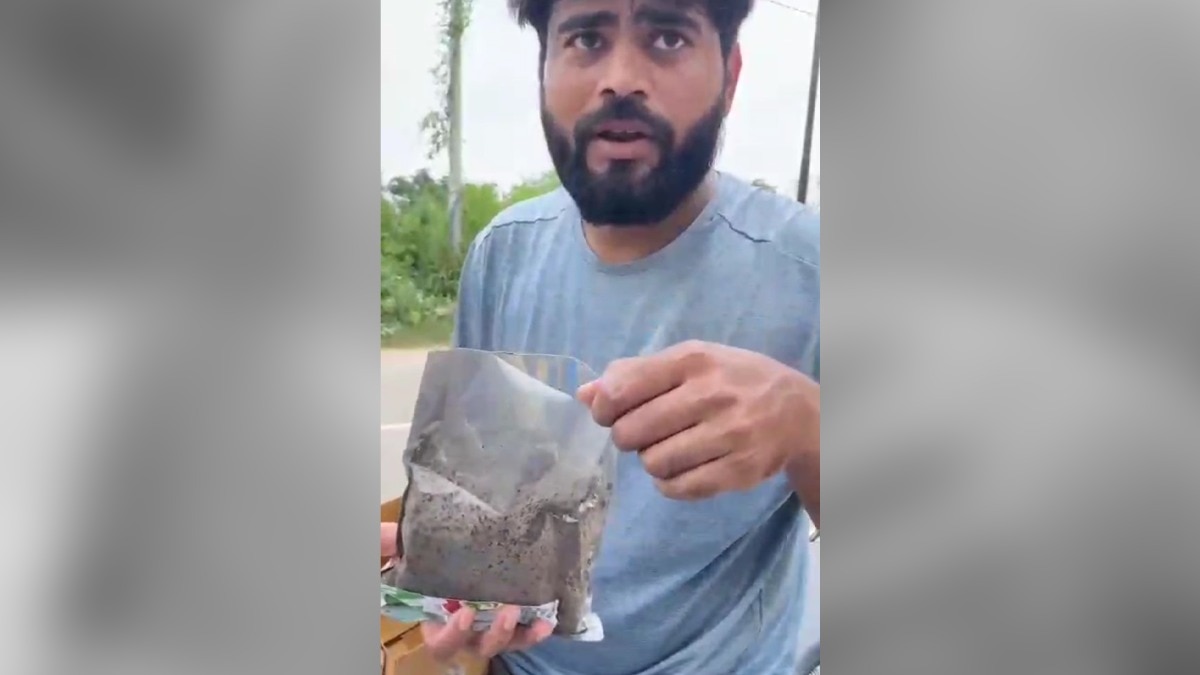
A Noida resident fell victim to a sophisticated social media scam after ordering an Android device via Instagram, only to receive a package containing cow dung.
- Victim targeted through a deceptive Instagram advertisement.
- Payment was made for a smartphone, but cow dung was delivered.
- Highlights the critical risks of unverified social commerce.
In a shocking instance of cyber fraud, a resident of Noida reported a bizarre experience after attempting to purchase an Android device through a social media advertisement. The victim, lured by an attractive deal on Instagram, completed the transaction and waited for the delivery of the gadget.
However, upon receiving the parcel, the man discovered that the package contained cow dung instead of the promised electronic device. This incident serves as a stark reminder of the growing prevalence of 'Social Commerce' scams where fraudsters leverage the visual appeal of Instagram to deceive unsuspecting buyers.
Why This Matters
BozokMedia analysis shows that the lack of stringent ad-verification processes on major social media platforms has created a breeding ground for opportunistic scammers. By mimicking legitimate storefronts, these criminals exploit the psychological trigger of 'limited-time offers' to bypass a consumer's critical thinking.
"The transition from traditional e-commerce to social-media-driven sales has outpaced consumer awareness, leaving a gap that cybercriminals are aggressively filling."
The psychological impact of such scams is often as damaging as the financial loss, as victims feel humiliated by the nature of the items sent—in this case, cow dung—which is intended to mock the victim.
Historical Background: The Rise of Social Scams
Historically, online fraud was limited to phishing emails and fake websites. However, with the integration of shopping features into social media, the 'trust barrier' has lowered. Users now perceive a curated Instagram profile as a sign of legitimacy, which is a dangerous misconception in the current digital landscape.
Frequently Asked Questions
Q1: How can one identify a fake Instagram shop?
A: Check for a lack of a physical address, suspiciously low prices, and a history of disabled comments on posts.
Q2: What is the first step after being scammed online?
A: Immediately report the transaction to your bank and file a complaint at the official cybercrime portal of your country.