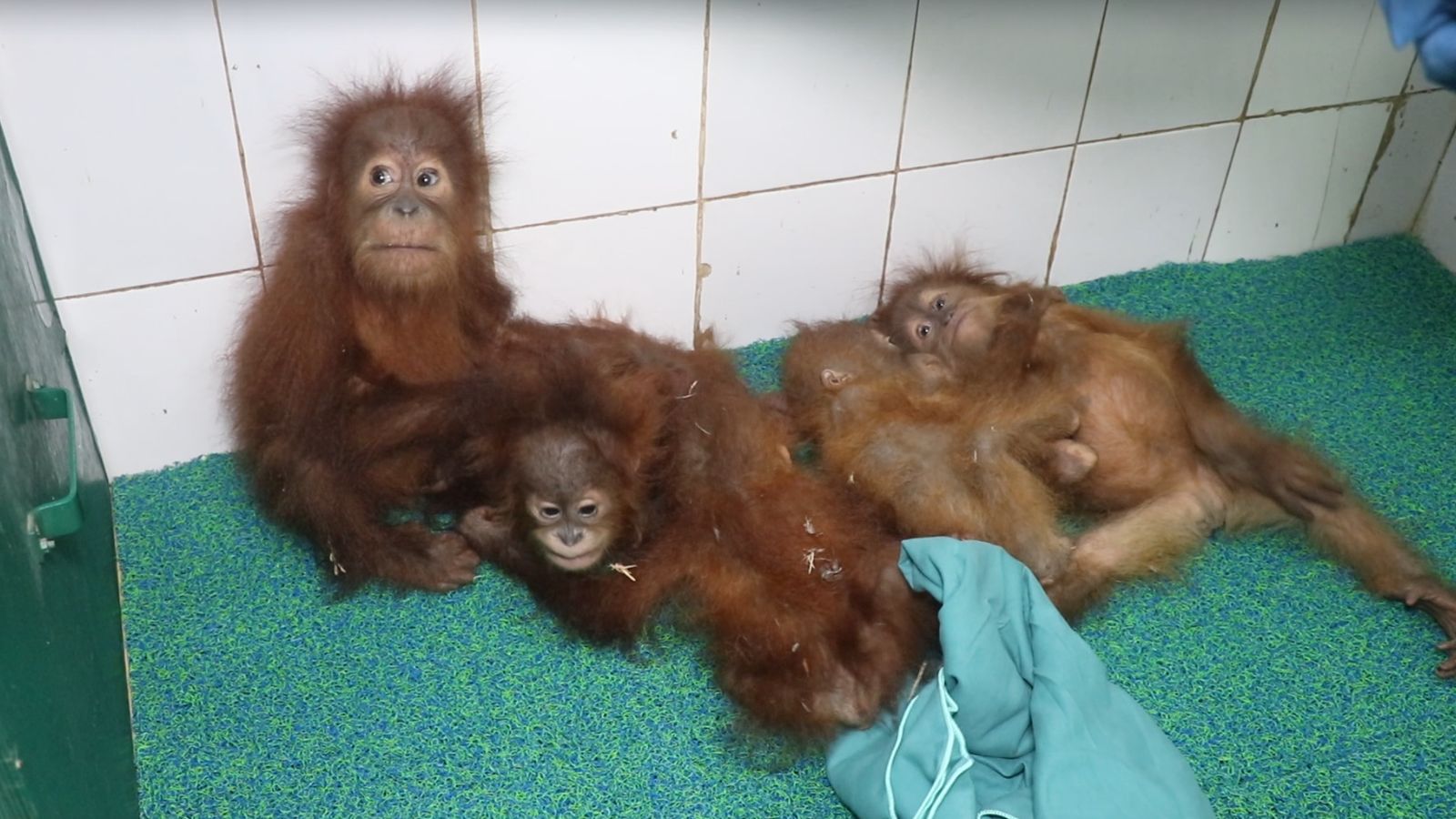
Five baby orangutans, not native to India, were rescued from a forest in Balasore and are now receiving world-class care at Nandankanan Zoo. Authorities suspect a global smuggling ring as police intensify investigations into the illegal wildlife trade.
- Five baby orangutans (3 males, 2 females) rescued from Balasore, Odisha.
- Specialized diet and 24/7 veterinary monitoring implemented at Nandankanan Zoo.
- Odisha Police STF investigating potential links to an international wildlife trafficking syndicate.
- Animals suspected to be from Borneo, Southeast Asia.
In an extraordinary turn of events, the Nandankanan Zoological Park in Bhubaneswar has transformed into a high-tech sanctuary for five unexpected guests. The rescue of five baby orangutans from the forests of the Balasore district has sent ripples through the wildlife community, not only because of the rarity of the species in India but because of the ominous implications regarding illegal wildlife trade.
Upon arrival, the primates—comprising three males and two females—were immediately placed in a temperature-controlled quarantine facility. Under the supervision of Deputy Director Pradeep Mirase, a dedicated team of three keepers and a specialized veterinary unit are monitoring the animals round-the-clock via CCTV. While one infant initially suffered from a fever, medical intervention has stabilized the group, and they are now undergoing comprehensive health screenings.
The care regimen is meticulously planned. Recognizing the complexity of orangutan nutrition, Nandankanan officials collaborated with the Mysore Zoo, which possesses extensive experience with the species. The infants are fed every two hours; the youngest are provided with mashed potatoes and apples, while the older ones consume bananas and apples alongside milk to ensure rapid recovery and growth.
Why This Matters
BozokMedia analysis shows that the appearance of non-native primates in a remote Indian forest is a flashing red light for global security and conservation. Orangutans are endemic to Borneo and Sumatra; their presence in Odisha is an impossibility in nature, pointing directly to a sophisticated smuggling operation. This incident highlights the persistent vulnerability of endangered species to high-value black markets.
The discovery of these primates suggests a highly organized logistics chain capable of transporting sensitive animals across international borders, necessitating a coordinated Interpol-level response.
To ensure the psychological well-being of the social animals, the zoo has provided slings and various toys to mimic their natural arboreal environment. The animals will remain in quarantine for 30 days to rule out any zoonotic diseases before a decision is made regarding their permanent residency. Genetic analysis is being considered to determine their exact subspecies and origin.
Historically, Nandankanan had a deep bond with this species through Binny, an orangutan who lived in the zoo from 2003 until 2019. Binny, who had traveled from Singapore to Pune before arriving in Odisha, was the only orangutan in India at the time, marking a precedent for the zoo's capability to house these intelligent primates.
| Feature | Wild Orangutans | Captive Orangutans |
|---|---|---|
| Average Lifespan | Up to 40 Years | 50 to 55 Years |
| Diet Source | Foraged Forest Fruits | Controlled Diet Charts |
| Social Structure | Semi-solitary | Group-based (in sanctuaries) |
Frequently Asked Questions
Q1: Where are these orangutans likely from?
Authorities suspect they originated from Borneo, an island in Southeast Asia, given their physical characteristics.
Q2: Will the orangutans stay at Nandankanan Zoo permanently?
No final decision has been made; the zoo will seek approval from central authorities after the 30-day quarantine period.