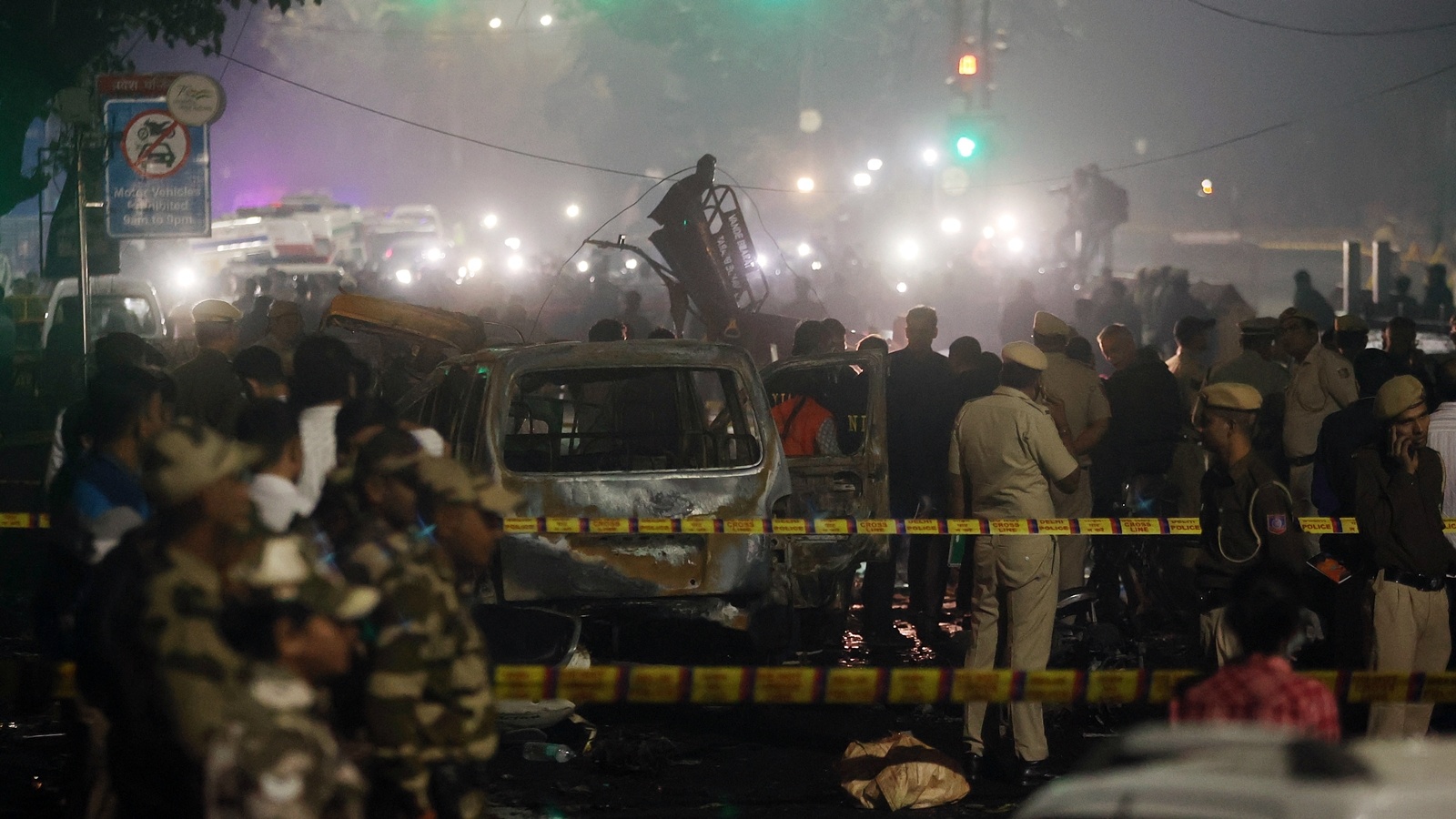
A legal and political storm has erupted in Uttar Pradesh following the demolition of a mosque in Saharanpur. The case has reached the Allahabad High Court as the discovery of an ancient well beneath the site adds a new layer of complexity.
- Administration demolished a mosque in Saharanpur citing illegal construction on government land.
- The Mosque Committee has challenged the move in the Allahabad High Court, citing the Places of Worship Act 1991.
- A 20-foot deep brick-lined well was discovered under the rubble, prompting an ASI investigation.
The city of Saharanpur has become the epicenter of a fresh legal and political confrontation after the local administration executed a demolition drive targeting a mosque. The mosque committee has formally approached the Allahabad High Court, alleging that the demolition was carried out in a summary manner without providing statutory notice or a formal order, thereby violating the Places of Worship Act 1991.
Conversely, government officials maintain that the action was strictly lawful. They assert that the structure was declared illegal on government land by a magistrate's order, and the subsequent appeal by the committee was dismissed by the district court before the demolition took place.
Why This Matters
BozokMedia analysis shows that this incident transcends a simple land dispute. By invoking the Places of Worship Act 1991, the legal battle now questions the balance between administrative land recovery and the protection of religious sites. Such actions often trigger wider socio-political ripples in a sensitive electoral climate.
"The intersection of administrative demolition and archaeological discovery often transforms a land dispute into a complex identity conflict."
The situation took a dramatic turn when a 20-foot deep brick-lined well was unearthed from the debris. This discovery immediately attracted the attention of the Archaeological Survey of India (ASI), whose team visited the site to collect samples. The presence of this structure has sparked theories regarding the historical antiquity of the site.
Opposition parties have been quick to condemn the move, labeling it as 'selective justice.' They argue that the 'bulldozer culture' is being used as a political tool to target specific communities while ignoring similar encroachments by others.
Historical Background
The use of bulldozers for demolition has become a signature administrative tool in Uttar Pradesh over the last few years. While the state government defends it as a way to reclaim public land and deter criminals, legal scholars have repeatedly raised concerns over the bypass of due process and the violation of fundamental rights.
Frequently Asked Questions
1. Why did the mosque committee move the High Court?
They allege the demolition happened without proper statutory notice and violated the Places of Worship Act 1991.
2. What is the role of the ASI in this case?
The ASI is analyzing samples from a 20-foot deep well found at the site to determine its historical origins.