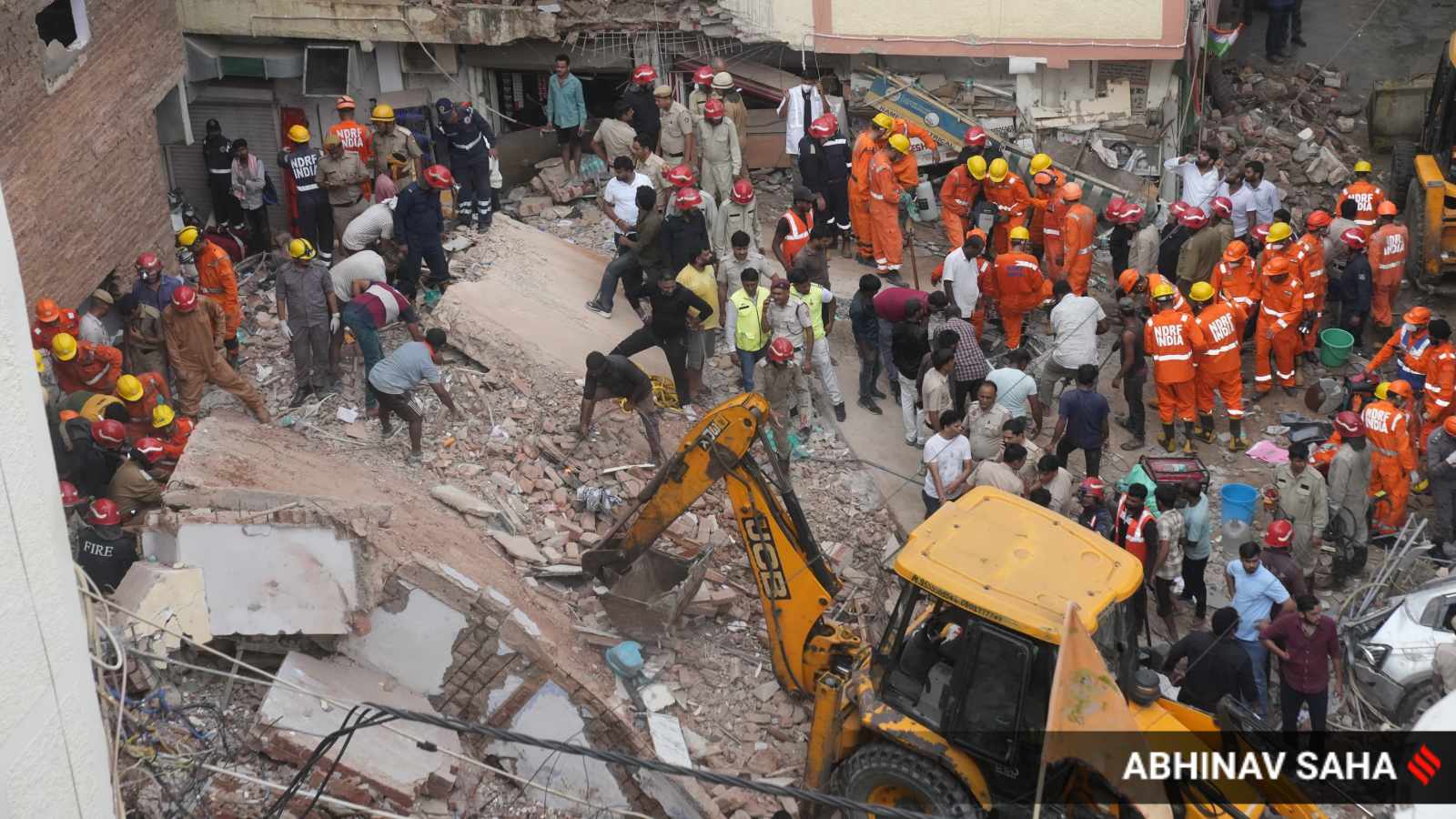
The devastating collapse of a student hostel in Satya Niketan has exposed the dangerous gap between Delhi's urban growth and its regulatory oversight. This analysis explores how the normalization of illegal construction is claiming lives.
- Seven lives lost in the Satya Niketan hostel collapse underscore a systemic failure in building safety audits.
- Delhi's 'urban villages' have become accidental commercial hubs due to prohibitive formal rents.
- There is an urgent need for a risk-based safety audit system over reactive sealing drives.
The recent tragedy in Satya Niketan, where a building used for student accommodation collapsed and claimed seven lives, is not an isolated incident. It follows a grim pattern of urban disasters in the capital, including the Saidulajab collapse in May and the Hauz Rani fire in June. While the administration's immediate reaction is often a blanket announcement to seal illegal constructions above four floors, such measures are merely reactive and fail to address the root cause: the systemic normalization of planning failure.
For years, the state has operated in a paradox. It tolerates informal commercial activity in residential areas, collects various charges, and provides fragmented licenses, only to declare these same ecosystems 'wholly illegal' once a catastrophe occurs. This cycle of tacit approval followed by punitive action creates a precarious environment for both entrepreneurs and residents.
Why This Matters
BozokMedia analysis shows that the disconnect between the Master Plan for Delhi and the ground reality has pushed small businesses and students into unregulated, hazardous structures. When affordable, structurally safe student PGs and coaching centers are not planned for near education hubs, the market creates its own—often dangerous—alternatives. The reliance on outdated concepts like 'lal dora' instead of modern urban policy has left thousands of occupants vulnerable to structural collapse and fire hazards.
The current approach to enforcement, often citing the 2006 Supreme Court directions in the M C Mehta case, focuses heavily on the commercial misuse of residential premises. However, structural safety should transcend zoning laws. A building that is structurally unsound or lacks fire exits is a death trap, regardless of whether its commercial use is permitted or not.
"Delhi must transition from a culture of panic-driven sealing drives to a systemic, risk-based safety audit framework that prioritizes human life over floor-count bureaucracy."
To prevent future tragedies, the city requires a comprehensive digital record for every building. This record should integrate sanctioned plans, alterations, fire status, and occupancy limits. Such transparency would ensure that tenants and students are not blindsided by the illegality or instability of the premises they rent.
As Delhi looks toward the Master Plan 2047, the promise of mixed-use development and ease of doing business must be tangible. It should provide lawful, affordable options for ordinary entrepreneurs and students, rather than serving only large-scale developers. Without a shift toward planned regularization—including structural audits and fire upgrades—the city will continue to witness avoidable tragedies.
Frequently Asked Questions
Q1: Why do illegal buildings proliferate in areas like Satya Niketan?
Due to the high cost of formal commercial real estate and the lack of planned, affordable student housing near universities, operators often illegally alter residential buildings to meet demand.
Q2: What is the difference between a sealing drive and a safety audit?
A sealing drive is a punitive measure to stop unauthorized use, whereas a safety audit is a preventive measure that evaluates structural integrity and fire safety to protect lives.