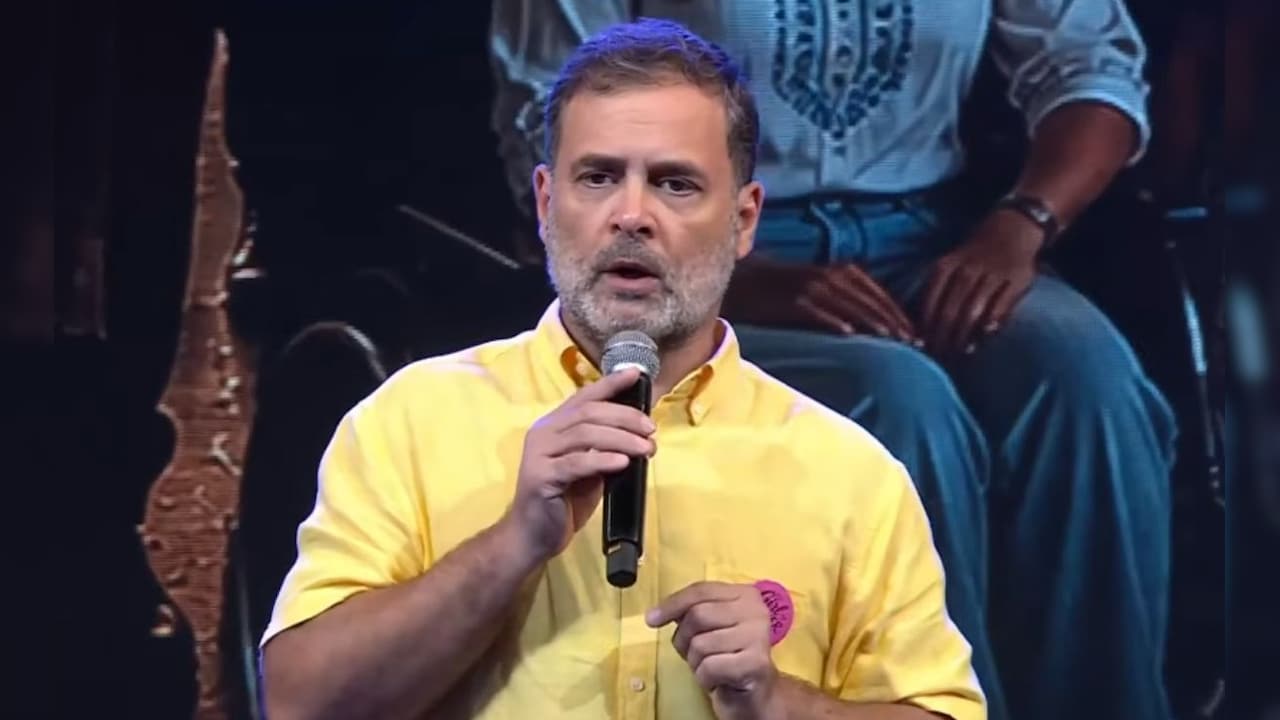
The Supreme Court has emphasized the principle of equality while hearing a plea regarding a complaint case against Rahul Gandhi in a Lucknow court. The apex court had previously issued notices to the UP government and the complainant.
- Supreme Court deliberated on a plea involving a case against Rahul Gandhi in Lucknow.
- The court emphasized the principle that all parties must be treated equally under the law.
- A previous stay on proceedings from August 4 last year was referenced.
The Supreme Court of India has recently addressed a plea concerning a complaint case pending against Congress leader Rahul Gandhi in a Lucknow-based court. In a significant observation, the apex court underscored the fundamental legal tenet that all individuals must be treated equally during judicial proceedings.
Tracing back to the timeline of the case, on August 4 of last year, the top court had intervened to stay further proceedings in the complaint case. This stay was mandated to remain in effect until the next scheduled date of hearing, ensuring that the legal merits of the plea were thoroughly examined before the trial court proceeded.
Why This Matters
BozokMedia analysis shows that this intervention highlights the Supreme Court's role as a safeguard against potential misuse of the legal machinery. When high-profile political figures are involved, the court often ensures that the proceedings are not driven by political vendettas but by substantive legal evidence.
The essence of the rule of law is that the process must be as fair as the outcome, regardless of the status of the accused.
Earlier, the court had issued formal notices to the Uttar Pradesh government and the original complainant. This move was intended to bring the state's perspective and the complainant's justifications onto the record, allowing the court to determine if there was a prima facie case or a procedural irregularity.
Historically, the Indian legal landscape has seen a surge in criminal defamation and complaint cases against political leaders. The Supreme Court's insistence on "equal treatment" serves as a reminder that while the law is blind to status, it is hyper-vigilant about the fairness of the trial process.
Frequently Asked Questions
Q1: What was the Supreme Court's stance on the Rahul Gandhi plea?
A: The court emphasized that all parties involved in the legal process must be treated equally and maintained the previous stay on proceedings.
Q2: Which government was notified by the court in this matter?
A: The Supreme Court issued notices to the Government of Uttar Pradesh.

