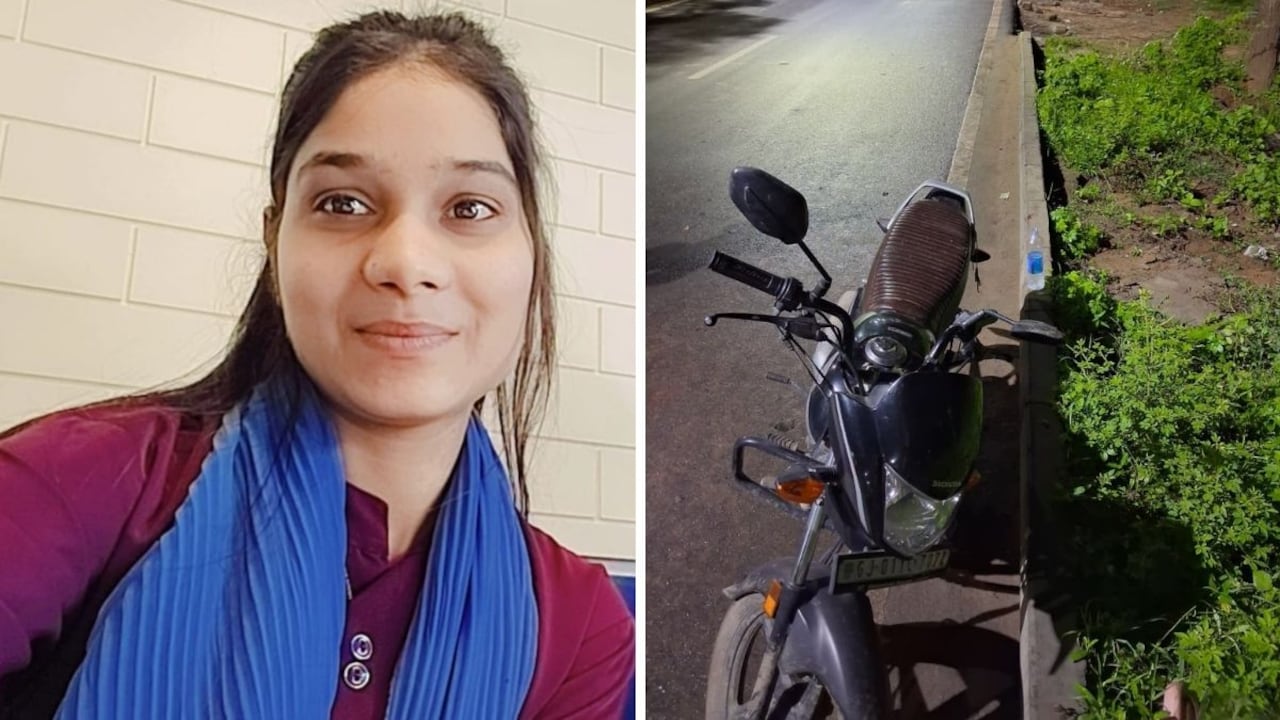
Justice Surya Kant of the Supreme Court has taken a stern view of a ₹5 lakh notice issued to a student of Gautam Buddha University, demanding an immediate explanation from the Gautam Buddha Nagar DM.
- A student of Gautam Buddha University was served a ₹5 lakh notice following a protest.
- Justice Surya Kant questioned the audacity of the magistrate in issuing such a penalty.
- The court has sought a formal response from the District Magistrate of Gautam Buddha Nagar.
The Supreme Court of India witnessed a moment of high tension when Justice Surya Kant expressed severe displeasure over a ₹5 lakh notice issued to a student of Gautam Buddha University. The student had participated in a protest organized by the Citizens for Justice and Peace (CJP), an organization known for fighting for human rights. The court questioned the legal basis and the audacity of the magistrate to impose such a heavy financial burden on a student.
The controversy escalated when it was revealed that the student was targeted for exercising their democratic right to protest. While the Gautam Buddha Nagar administration initially attempted to dismiss the claims as 'confusion' and denied issuing the notice, the evidence presented before the court told a different story. The judiciary views such administrative actions as an attempt to stifle dissent and intimidate the youth.
Why This Matters
BozokMedia analysis shows that this incident highlights a worrying trend where local administrations use financial threats to discourage students from political activism. The Supreme Court's intervention serves as a critical check on the misuse of power by district officials, reaffirming that the right to protest is sacrosanct.
"The judiciary's role is to act as a shield for the citizen against the arbitrary exercise of state power."
Historically, the Indian judiciary has consistently protected the right to peaceful assembly under Article 19 of the Constitution. In similar past instances, the court has warned that police and administrative machinery cannot be used as tools for political vendetta or to harass individuals for their beliefs.
The court's demand for an answer from the District Magistrate (DM) indicates that the judiciary will not tolerate administrative opacity. The focus is now on whether the notice was a procedural error or a deliberate attempt to silence a student leader.
Frequently Asked Questions
Q1: Why was the student issued a notice?
The student was allegedly targeted for participating in a protest organized by CJP.
Q2: What is the current status of the case?
The Supreme Court has expressed anger over the matter and has asked the DM of Gautam Buddha Nagar to provide an explanation.