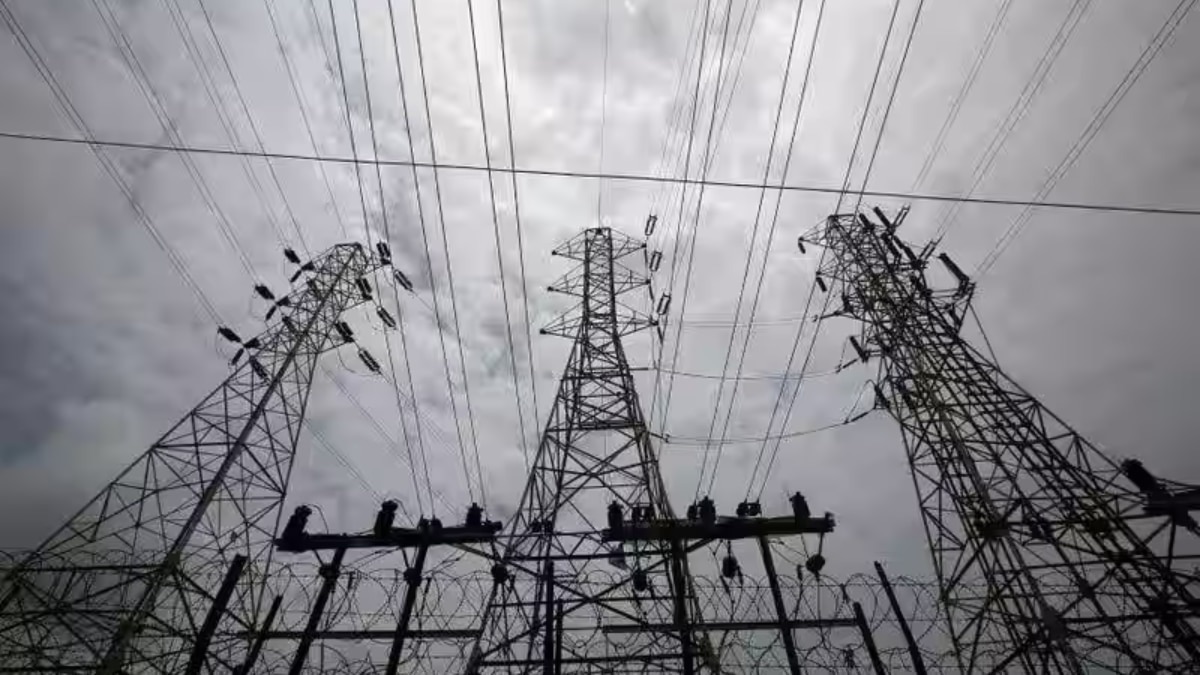
The Supreme Court has observed that APTEL lacked jurisdiction to block a CAG audit, potentially exposing thousands of crores in regulatory assets within Delhi's electricity distribution companies.
- Supreme Court ruled that APTEL had no jurisdiction over the appointment of the CAG for auditing.
- The Court emphasized that a private entity cannot conduct a strictly comprehensive audit.
- The issue centers on regulatory assets worth thousands of crores affecting common consumers.
In a landmark hearing on Wednesday, the Supreme Court of India made prima facie observations that could fundamentally change the financial oversight of electricity distribution companies (Discoms) in Delhi. The court explicitly stated that the Appellate Tribunal for Electricity (APTEL) possessed no jurisdiction to comment on or obstruct the appointment of the Comptroller and Auditor General (CAG) to conduct the audit.
The apex court further observed that a truly strict and comprehensive audit is unattainable through a private entity, reinforcing the need for a constitutional body like the CAG. Crucially, the court noted that the liquidation of regulatory assets and the audit process are inextricably linked, meaning one cannot be resolved without the other.
Why This Matters
BozokMedia analysis shows that this legal shift moves the needle from corporate self-regulation to constitutional accountability. Regulatory assets—essentially deferred costs that companies intend to recover from consumers later—have ballooned into thousands of crores. A CAG audit would strip away the corporate veil, revealing whether these assets are genuine or a means to inflate future tariffs.
"The issue of regulatory assets is directly linked to consumers; a credible, independent, and authoritative CAG audit is the only way to bring the truth to light." - VS Vohra, Power Expert
Delhi Power Minister Ashish Sood hailed the observations as a "major victory" for the residents of the capital. Sood asserted that the current administration has long fought for this audit to ensure that the burden of regulatory assets does not fall upon the shoulders of the common citizen, accusing previous administrations of shielding the power companies from scrutiny.
Historical Background
The dispute over regulatory assets in Delhi dates back several years, stemming from the gap between the actual cost of power procurement and the tariffs approved by the regulator. These accumulated gaps are booked as 'regulatory assets'. Over time, the lack of an independent audit led to suspicions regarding the inflation of these figures to maintain corporate profit margins at the expense of the public.
Comparison Table
| Feature | Private Audit | CAG Audit |
|---|---|---|
| Credibility | Limited/Questionable | High/Constitutional |
| Scope | Narrow/Defined | Comprehensive/Deep |
| Public Trust | Low | Very High |
Frequently Asked Questions
1. How will a CAG audit benefit the average Delhi resident?
It ensures that power companies aren't overcharging consumers under the guise of recovering 'regulatory assets'.
2. Why did the Supreme Court mention APTEL's jurisdiction?
APTEL had previously attempted to intervene in the audit's appointment, which the SC now views as an overstep of its legal authority.