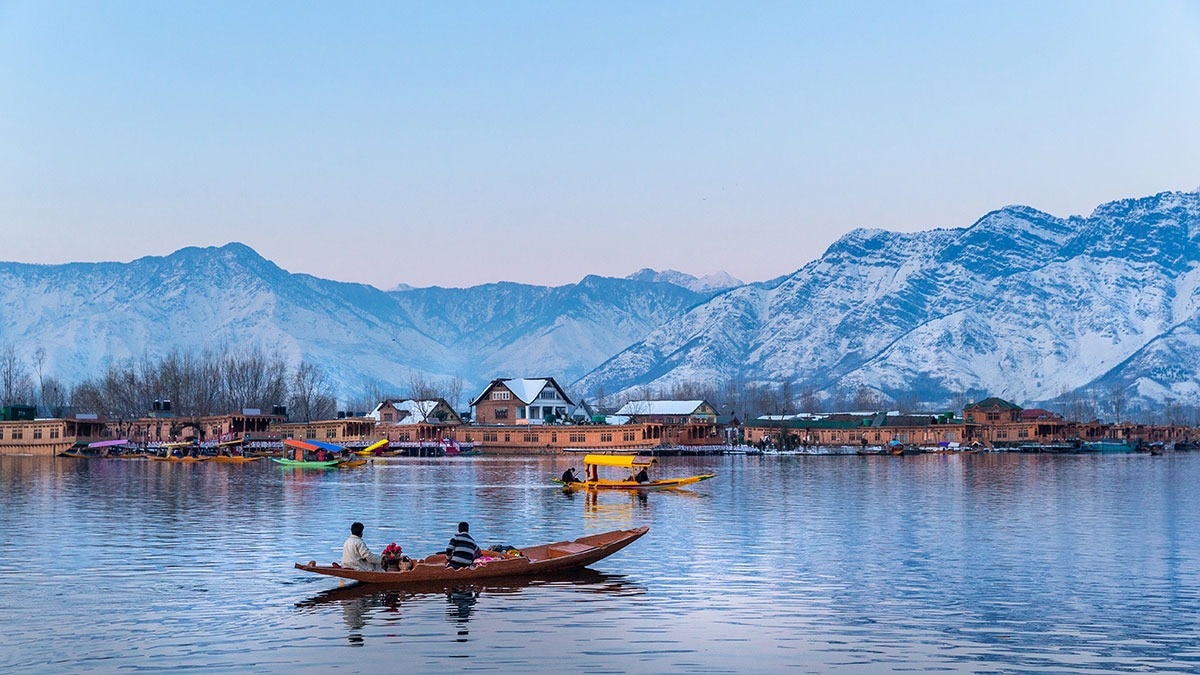
While residents of Kashmir are witnessing an alarming rise in cloudbursts and erratic weather, a critical gap exists between their lived experience and scientific understanding of climate change. Experts warn that integrating climate risk into development is now a matter of survival.
- Kashmir is witnessing a surge in extreme weather events, including over 100 hailstorms in a single season.
- A study by IUST reveals that while 95% of locals perceive rainfall shifts, formal scientific literacy remains low.
- Agriculture and horticulture are facing severe threats due to temperature volatility and infrastructure collapses.
- Experts urge the mainstreaming of climate risk into regional development to prevent Nepal-style catastrophes.
The serene landscapes of Kashmir are increasingly becoming the backdrop for climate chaos. On September 1, the tourist hub of Pahalgam was struck by devastating flash floods following a cloudburst, marking the second such event this season. These are no longer isolated incidents; from massive hailstorms to intense summer heat and unpredictable rainfall, the region is trapped in a cycle of extreme weather that threatens both lives and livelihoods.
A disturbing trend has emerged regarding how the local population perceives these changes. While the physical evidence of climate change is undeniable, the interpretation remains fragmented. Many residents attribute these disasters to divine retribution or moral decline, while only a small minority connect the dots to global warming and the inherent vulnerability of the Himalayan ecosystem. This gap between experience and science creates a dangerous void in disaster preparedness.
Research conducted by the Islamic University of Science and Technology (IUST) underscores this paradox. Surveying 800 residents, the study found a high level of "experiential awareness." For instance, 95% of respondents noticed uneven rainfall, and 89% observed declining snowfall. However, this awareness does not translate into scientific understanding. People feel the heat and the rain, but they do not necessarily understand the systemic atmospheric shifts driving these phenomena.
Why This Matters
BozokMedia analysis shows that the lack of climate literacy in high-risk zones like Kashmir transforms manageable risks into inevitable disasters. When a population views a cloudburst as a spiritual event rather than a meteorological one, the urgency for scientific mitigation and resilient infrastructure diminishes. The recent glacial lake outbursts in Nepal and Tibet serve as a grim harbinger for the Kashmir Himalayas, proving that nature's volatility is accelerating.
"Climate literacy must be treated as an essential component of disaster-risk reduction, not merely environmental education." - Prof. Shakeel Ahmad Romshoo, VC of IUST.
The economic fallout is most visible in the primary sector. Prof. Farooq Ahmad Lone of SKUAST highlights that agriculture and horticulture—the backbone of the Kashmiri economy—are bearing the brunt. Beyond the fields, the fragility of the Jammu-Srinagar National Highway creates a logistical nightmare; landslides frequently block the transport of perishable goods, leading to massive post-harvest losses and financial ruin for farmers.
While some geologists, such as Dr. Khursheed Ahmad Parray, argue that Kashmir's wider valley geography makes it less prone to the specific type of catastrophic glacial lake outbursts seen in Nepal's narrow valleys, the overall risk of flash floods and landslides remains critical. The depletion of water resources, shrinking glaciers, and habitat loss are systemic failures that require immediate policy intervention.
Frequently Asked Questions
Q1: Why is Kashmir more vulnerable to climate change than other regions?
A: As part of the Himalayan range, Kashmir is a "climate hotspot" where temperature increases lead to rapid glacial melt and unstable slopes, increasing the frequency of cloudbursts.
Q2: How does climate change affect the local economy?
A: It disrupts the timing of harvests, increases pest dynamics in apple orchards, and causes transport delays via landslides, leading to significant financial losses for farmers.