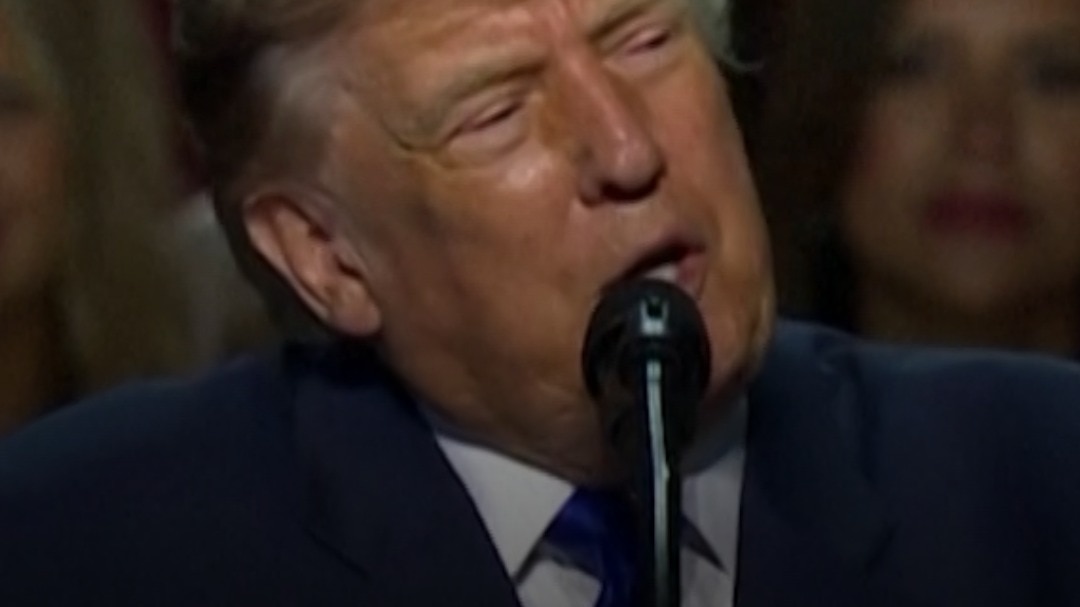
Former President Donald Trump has sparked intense economic debate by proposing a $5,000 dividend payment to citizens. Critics argue this populist move mirrors 'freebie' culture, while supporters see it as a necessary stimulus.
- Donald Trump proposes a one-time $5,000 dividend payment to Americans.
- The move is being compared to 'revdi' (freebie) politics seen in other democracies.
- Economists warn of potential inflationary pressures and fiscal deficits.
In a move that has sent shockwaves through the financial community, Donald Trump has introduced a provocative proposal to distribute a $5,000 dividend to American citizens. This proposal, framed as a way to inject liquidity directly into the pockets of the working class, has ignited a fierce debate over the sustainability of populist economic policies in the world's largest economy.
The concept of a 'dividend'—essentially a direct cash transfer from the government—is not entirely new, but the scale and timing of Trump's proposal are unprecedented. By promising a lump sum of $5,000, Trump is targeting a demographic that feels left behind by the current economic trajectory, attempting to create a direct financial incentive for voter loyalty.
Why This Matters
BozokMedia analysis shows that this strategy represents a shift toward 'direct-to-citizen' fiscal policy, moving away from traditional tax cuts for corporations. This 'revdi' moment, as some critics call it, suggests a willingness to bypass traditional economic levers to achieve immediate political and social impact, potentially risking long-term currency stability for short-term popularity.
"Direct cash injections of this magnitude without a corresponding increase in productivity can lead to rapid inflationary spirals."
Historically, the U.S. has used stimulus checks during crises, such as the COVID-19 pandemic. However, those were temporary measures to prevent economic collapse. Trump's current proposal is framed more as a reward or a 'dividend' of national wealth, which fundamentally changes the psychological and economic contract between the state and the citizen.
Opponents of the plan argue that the funding for such a massive payout would either require significant borrowing—increasing the national debt—or a drastic cut in other essential services. The fiscal math remains murky, as the campaign has yet to provide a detailed blueprint on where the trillions of dollars required for such a rollout would originate.
Frequently Asked Questions
Q1: How would the $5,000 dividend be funded?
A: Detailed funding mechanisms have not been fully disclosed, though suggestions include budget reallocation or increased deficit spending.
Q2: Is this different from the COVID-19 stimulus checks?
A: Yes, while stimulus checks were emergency relief, this is proposed as a structural 'dividend' of national prosperity.