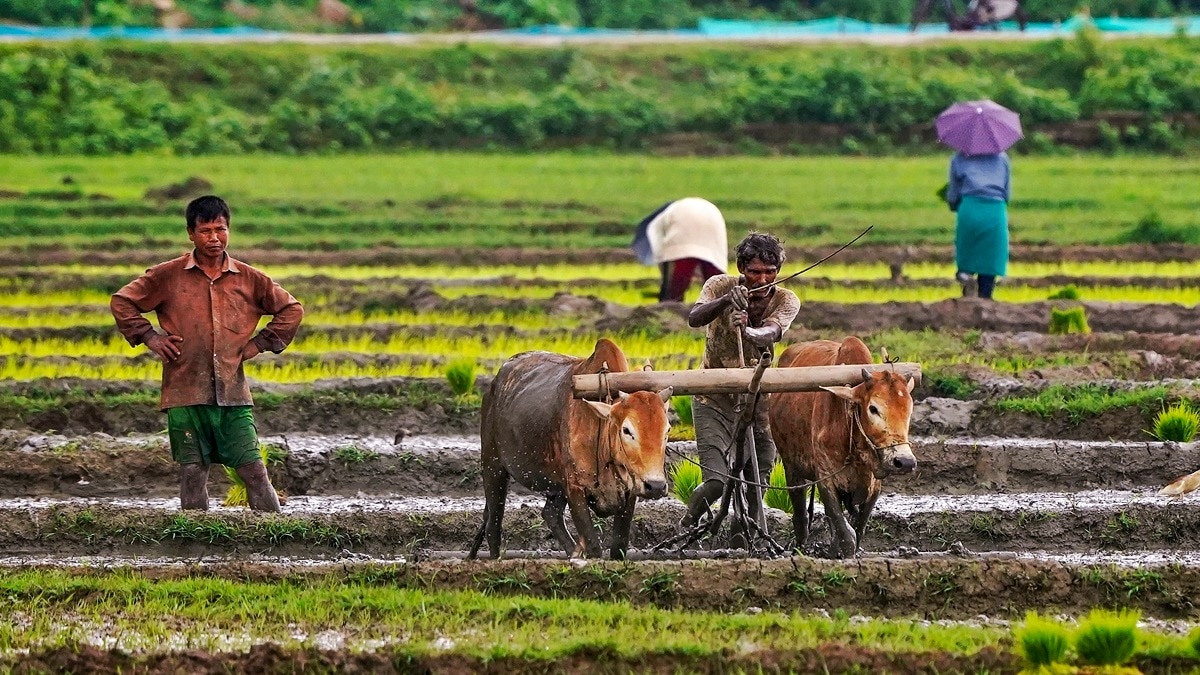
India is facing a severe rainfall shortage as September's early deficit reaches 26%, pushing the total seasonal shortfall to 15%. This raises urgent alarms regarding kharif crop yields and food inflation.
- September 1-9 rainfall deficit stands at a worrying 26%.
- Overall seasonal rainfall deficit has widened to 15%.
- Andhra Pradesh, Rajasthan, and Bihar are among the hardest-hit states.
- Critical threat to rice, soybean, and cotton crops during their growth stage.
India's monsoon crisis is intensifying as the first nine days of September have seen a sharp decline in rainfall, leaving reservoirs depleted and farmers anxious. According to the India Meteorological Department (IMD), the country recorded only 44.3 mm of rain between September 1 and September 9, significantly lower than the normal average of 59.9 mm.
The broader seasonal data is equally concerning. From June 1 to September 9, India received 648 mm of rainfall against a normal of 760.6 mm, resulting in a total seasonal deficit of 15%. This shortfall follows a volatile season characterized by erratic patterns and prolonged dry spells across various regions.
Why This Matters
BozokMedia analysis shows that September is the 'make or break' month for kharif crops. Essential commodities such as rice, cotton, soybean, maize, and pulses are currently in critical growth stages. A sustained lack of soil moisture and rainfall during this window could lead to widespread crop failure, triggering a spike in food prices and impacting the national economy.
"The current rainfall deficit is not just a meteorological glitch but a systemic risk to India's food security and rural income."
The geographical distribution of the rain has been deeply uneven. While some pockets received rain, major agricultural hubs like Rajasthan, Bihar, and Chhattisgarh are staring at significant deficits. Andhra Pradesh has emerged as one of the worst-hit states, recording an exceptionally large rainfall shortfall.
Satellite imagery from September 10 reveals a striking reduction in cloud cover across the Indian subcontinent. While some systems remain active over the Bay of Bengal, vast stretches of western, central, and northern India appear cloud-free. With the monsoon entering its final phase, the window for recovering the deficit is closing rapidly.
| Period | Normal Rainfall (mm) | Actual Rainfall (mm) | Deficit (%) |
|---|---|---|---|
| Sept 1-9 | 59.9 | 44.3 | 26% |
| Full Season (June-Sept) | 760.6 | 648 | 15% |
The economic implications are severe, with nearly half of India's districts reporting below-average rainfall. This puts immense pressure on water resources, forcing a heavier reliance on groundwater and increasing the risk of drought-like conditions in several districts.
Frequently Asked Questions
1. Which states are most affected by the rain deficit?
Andhra Pradesh, Rajasthan, Bihar, and Chhattisgarh have recorded the most substantial shortfalls.
2. How will this impact food prices?
Lower yields of kharif crops like soybean and rice typically lead to supply shortages, which drive up market prices for consumers.