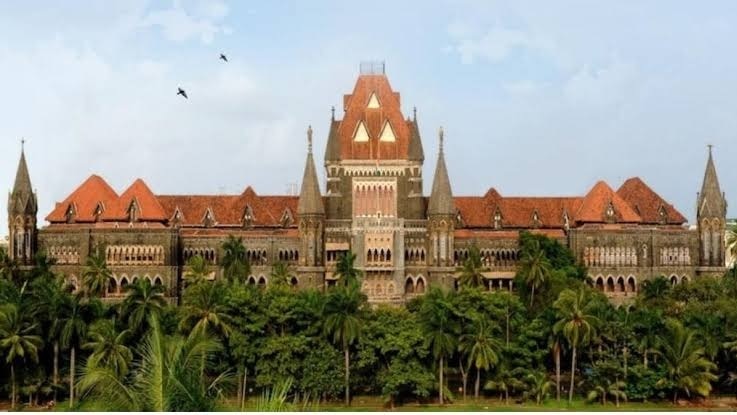
The Bombay High Court has slammed the BMC for the deteriorating state of cleanliness in Mumbai, warning that negligent ward officers will face immediate removal if garbage piles persist on city roads.
- Bombay High Court describes Mumbai as "full of filth" and slams BMC's inactivity.
- Warning issued to remove ward officers found negligent in waste management.
- Court demands a comprehensive SOP and a list of accountable officers for all 26 wards.
- Suggestion to initiate criminal prosecution against citizens who litter.
The Bombay High Court on Thursday took a stern view of the escalating garbage crisis in Mumbai, pulling up the Brihanmumbai Municipal Corporation (BMC) for its failure to maintain basic hygiene. A division bench comprising Justices Girish Kulkarni and Neela Gokhale expressed deep frustration, stating that the "entire municipal machinery is inactive" and questioning the city's claim to be an international hub amidst such squalor.
While hearing petitions regarding pollution near the Kanjurmarg dumping ground, the court noted that despite assurances from the municipal commissioner and senior leadership, there has been negligible improvement on the ground. The bench highlighted that several identified garbage hotspots remain untouched by ward officers, describing the situation as "painful."
Why This Matters
BozokMedia analysis shows that this judicial intervention marks a shift from general directives to specific personal accountability. By targeting ward-level officers rather than just the top brass, the High Court is attempting to break the cycle of bureaucratic inertia. If implemented, this could set a precedent for urban governance across India where officials are held personally liable for public negligence.
"The court's threat to remove officers from public service is a drastic but necessary measure to combat the systemic failure of urban waste management in mega-cities."
The court has now ordered the BMC Commissioner to "put the house in order" and fix accountability. In a scathing remark, the bench stated, "The moment we find any litter or garbage on road we will remove the concerned officer. They don't deserve to be in public service." This indicates that the court's patience with the BMC's "false assurances" has reached its limit.
Furthermore, the High Court suggested that the Maharashtra government move beyond mere fines and consider criminal prosecution for those who dump waste on public roads. To modernize the approach to cleanliness, the court also advised the civic body to leverage social media influencers, echoing a previous suggestion by Prime Minister Narendra Modi.
The bench emphasized the need for stringent garbage segregation measures, expressing a desire for the BMC to evolve into a "model corporation." The court has demanded the submission of a Standard Operating Procedure (SOP) and a detailed list of officers responsible for the 26 wards before the next hearing on October 7.
Frequently Asked Questions
Q1: What specific documents has the High Court asked the BMC to submit?
The court has ordered the BMC to provide its Standard Operating Procedure (SOP) for cleanliness and a list of officers accountable for each of the 26 wards.
Q2: What are the suggested penalties for citizens who litter?
The court suggested that the state government should impose heavy fines and initiate criminal prosecution against individuals dumping garbage on public roads.