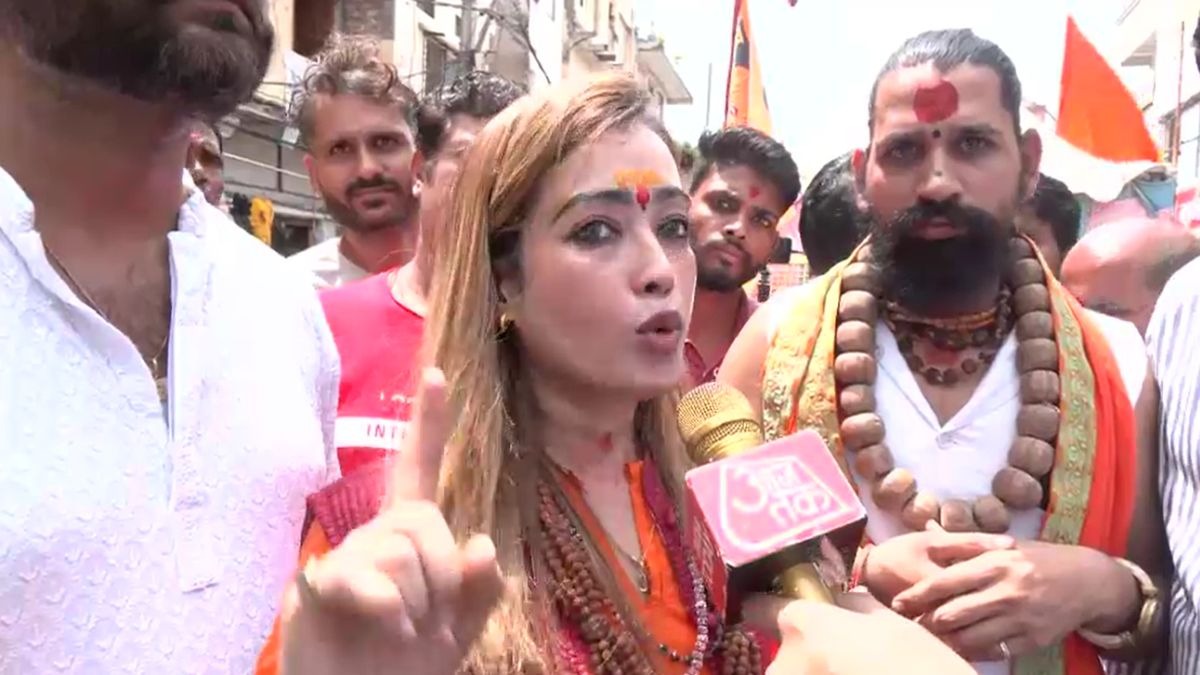
The Brihanmumbai Public Ganeshotsav Coordination Committee has called for a ban on DJs to preserve the sanctity of the festival. Mandals are urged to adhere to legal decibel limits and embrace traditional devotional music.
- Strict adherence to 55 dB (day) and 45 dB (night) sound limits.
- Committee officially deems DJs 'unacceptable' in favor of traditional bhajans.
- Proposal for a government-appointed expert committee to regulate idol height.
- Mandatory CCTV and mobile toilets for devotee convenience and safety.
As Mumbai prepares for the grand celebration of Ganeshotsav, the Brihanmumbai Public Ganeshotsav Coordination Committee has issued a stern appeal to all Ganesh Mandals to curb noise pollution. The committee has emphasized the necessity of following the legal sound limits, which are set at 55 decibels during the day and 45 decibels at night.
Clarifying the committee's stance on the use of loud sound systems, the organization declared that DJs are not acceptable for the festivities. The committee suggests that Mandals should instead prioritize traditional Marathi religious songs, bhajans, and kirtans to ensure that the spiritual purity of the festival remains intact.
Why This Matters
BozokMedia analysis shows that this initiative reflects a growing societal pushback against the 'commercialization of noise' in religious festivals. By explicitly rejecting DJs, the committee is attempting to shift the cultural narrative from competitive loudness to authentic devotion. This move is likely to reduce the stress on the city's healthcare infrastructure and improve the quality of life for vulnerable populations during the peak festival season.
To illustrate the severity of noise levels, Committee President Naresh Dahibalakare used a vivid analogy. He explained that the cacophony created by six crows sitting on a single tree branch reaches approximately 55 decibels. He urged Mandals to understand the impact of such noise and maintain the prescribed limits to avoid causing distress to the public.
"The grandeur of a festival is measured by the depth of devotion, not the volume of the speakers."
Beyond noise regulation, the coordination committee has proposed several administrative guidelines. A key recommendation is the appointment of an expert committee by the state government and the municipal corporation to determine a standard height for Ganpati idols. This is intended to discourage the unhealthy competition among Mandals to install the tallest idols, often fueled by political backing.
The committee also highlighted essential infrastructure needs. For larger pandals, the installation of CCTV cameras and the deployment of security guards are strongly recommended. To manage the crowds, the provision of mobile toilets and separate queues for women have been marked as essential requirements. Furthermore, the committee urged Mandals to maintain high standards of hygiene and food quality during the distribution of 'Mahaprasad'.
| Parameter | Daytime Limit | Nighttime Limit |
|---|---|---|
| Sound Level (Decibels) | 55 dB | 45 dB |
Frequently Asked Questions
1. Why does the committee oppose the use of DJs?
The committee believes DJs create excessive noise that disrupts the sanctity of the festival and violates environmental laws regarding sound pollution.
2. What is the suggestion regarding idol heights?
The committee suggests that the government should set a maximum height limit through an expert panel to prevent political rivalry and logistical chaos.