Prime Minister Narendra Modi has extended India's 'Vasudhaiva Kutumbakam' philosophy to outer space, calling for global collaboration in space exploration. Addressing the International Space Summit in Paris, he outlined ambitious goals including a domestic space station by 2035.
- India aims to establish its own indigenous space station by 2035.
- Goal to send an Indian astronaut to the Moon by the year 2040.
- ISRO has successfully deployed 430 payloads for 34 different nations.
- Strong historical ties with France dating back to the 1960s Thumba program.
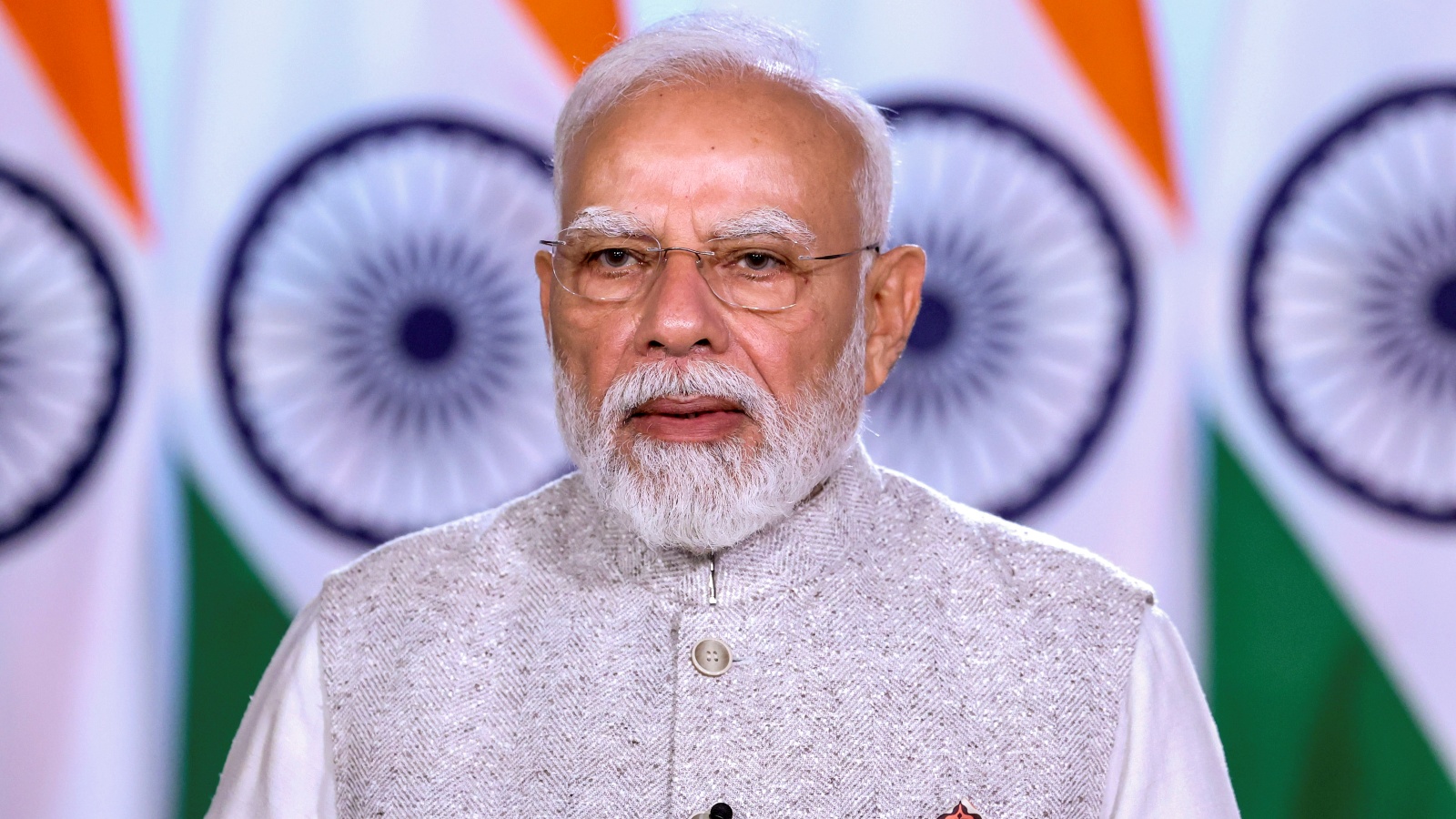
Prime Minister Narendra Modi on Thursday expanded the spirit of 'Vasudhaiva Kutumbakam' (The World is One Family) to the cosmic domain, inviting France and the global community to be co-travellers in India’s next space frontier. In a high-profile video address at the International Space Summit in Paris, the PM emphasized that the exploration of space should be a collaborative effort for the benefit of all humanity.
Expressing gratitude to French President Emmanuel Macron, PM Modi highlighted that France has been a steadfast partner since the very inception of the Indian space program at Thumba in the 1960s. He noted that current cooperation in Earth observation and advanced technologies represents a synergy of scientific excellence and human purpose.
Why This Matters
BozokMedia analysis shows that India is strategically positioning itself as a 'responsible space power.' By advocating for sustainability over short-term gains and transparency in data sharing, India is attempting to lead the discourse on space ethics at a time when orbital congestion and the militarization of space are growing global concerns.
India's transition from a launch service provider to a deep-space explorer marks a pivotal shift in the global geopolitical balance of technology.
The Prime Minister lauded ISRO for its global reputation for excellence and cost-effectiveness. He revealed that India's international footprint is already significant, having placed 430 payloads from 34 countries into orbit. However, the roadmap for the next two decades is even more ambitious, with the establishment of an indigenous space station by 2035 and a lunar landing mission by 2040.
Addressing the challenges of the modern space age, PM Modi stressed the need for long-term sustainability. As orbits become more crowded and the number of actors increases, he urged the international community to prioritize ethical sharing of information. He asserted that scientific data must serve the common good with openness and integrity.
| Objective | Timeline | Strategic Impact |
|---|---|---|
| Indigenous Space Station | 2035 | Permanent human presence in LEO |
| Lunar Mission (Human) | 2040 | Leadership in deep-space exploration |
| Satellite Launches | Ongoing | Global cost-effective launch hub |
Frequently Asked Questions
1. When does India plan to have its own space station?
Prime Minister Modi stated that India aims to establish its indigenous space station by the year 2035.
2. What is the purpose of the International Space Summit in Paris?
Organized by France, the summit aims to initiate regular international dialogues on the future of space exploration and the evolving structure of the global space economy.