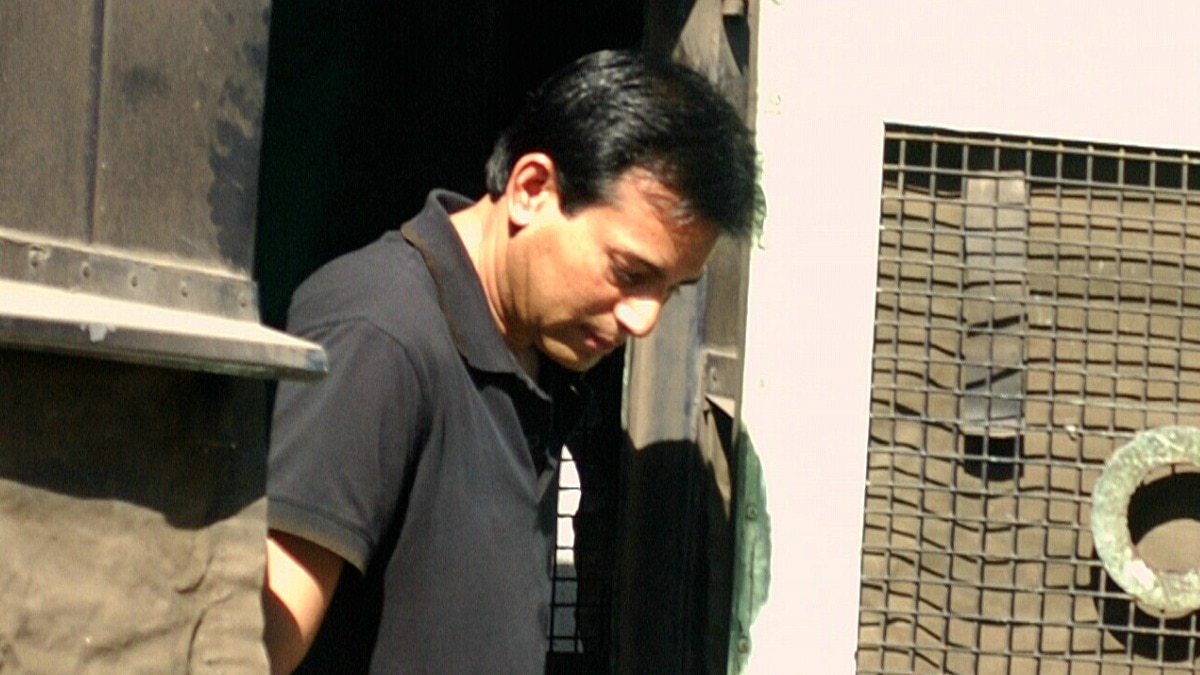
Gangster Abu Salem, serving a life sentence for the 1993 Mumbai serial blasts, has been denied premature release by the Supreme Court. The court dismissed his petition, ensuring he remains behind bars.
- The Supreme Court dismissed Abu Salem's petition for premature release.
- Salem is convicted for conspiracy and arms smuggling in the 1993 Mumbai blasts.
- The court rejected the argument regarding the 25-year limit under the Portugal extradition treaty.
In a significant legal setback, the Supreme Court of India has dismissed the plea for premature release filed by gangster Abu Salem. Salem, who is currently serving a life sentence in connection with the 1993 Mumbai serial bomb blasts, had hoped for an early exit from prison, but the apex court found no merit in his arguments.
The case pertains to one of the most devastating terrorist attacks in Indian history. On March 12, 1993, a series of explosions rocked 12 different locations across Mumbai, resulting in the deaths of 257 people and leaving approximately 800 injured. Investigations revealed that the blasts were orchestrated as revenge for the demolition of the Babri Masjid.
Historical Background and Conviction
Abu Salem was identified as a pivotal figure in the conspiracy. Evidence proved that he was instrumental in planning the attacks and managed the logistics of transporting weapons and explosives from Bharuch, Gujarat, to Mumbai. Based on these charges and additional murder convictions, a special TADA court sentenced him to 25 years of imprisonment.
BozokMedia analysis shows that this ruling reaffirms the Indian judiciary's zero-tolerance policy toward terrorism. By dismissing the plea, the court has signaled that technicalities within extradition treaties cannot be used as loopholes to bypass the gravity of heinous crimes against the state.
The judicial precedent here is clear: the scale of the crime and the loss of innocent lives outweigh the technicalities of international repatriation agreements.
Salem's primary legal defense rested on the extradition treaty with Portugal, arguing that he could not be detained for more than 25 years. However, the Bombay High Court had previously rejected this, stating that the calculation of remission can only be performed one month prior to the actual release date. The Supreme Court has now upheld this stance.
| Abu Salem's Argument | Court's Verdict |
|---|---|
| Max 25-year detention per Portugal treaty. | Treaty terms do not override the legal nature of the life sentence. |
| Eligibility for premature release. | Remission calculations are premature and not currently applicable. |
Q1: Why is Abu Salem in prison?
A: He was convicted for his role in the 1993 Mumbai serial blasts, specifically for smuggling arms and explosives.
Q2: What was the basis of the Supreme Court's rejection?
A: The court rejected the notion that the Portugal extradition treaty provides an automatic release after 25 years regardless of the crime's severity.

