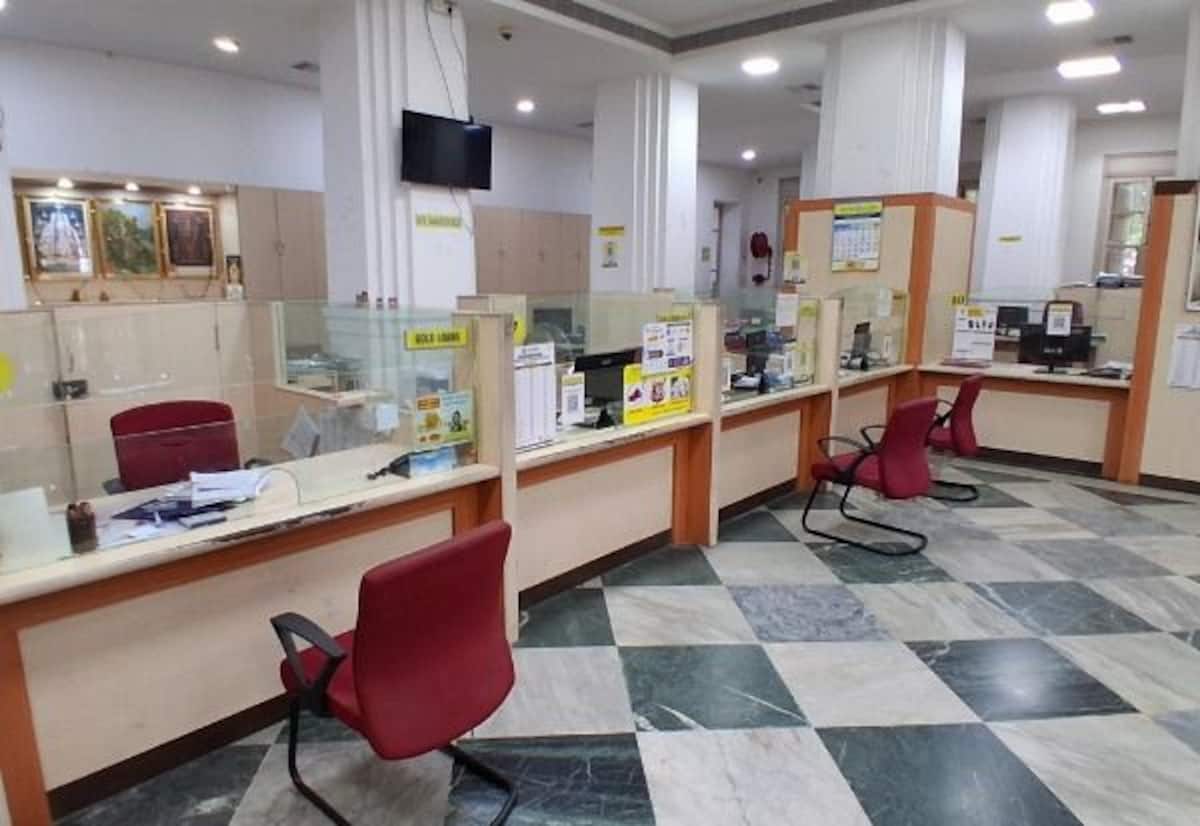
Bank staff across India launched a nationwide strike on September 11, 2026, shutting down branches, ATMs, and online services in Puducherry. Their demands for better work conditions and benefits remain unmet, leaving the public grappling with cash shortages and transaction delays.
- Multiple bank branches were forced to close
- Customers faced difficulty withdrawing cash
- Key employee demands remain unresolved
On September 11, 2026, bank employees in Puducherry staged a nationwide walkout, bringing major banks’ branches, ATMs, and digital platforms to a standstill. The protest centers on demands outlined in the 2024 agreement, including a five‑day work week, Saturdays off, hiring of additional clerical and support staff, and raising the gratuity ceiling.
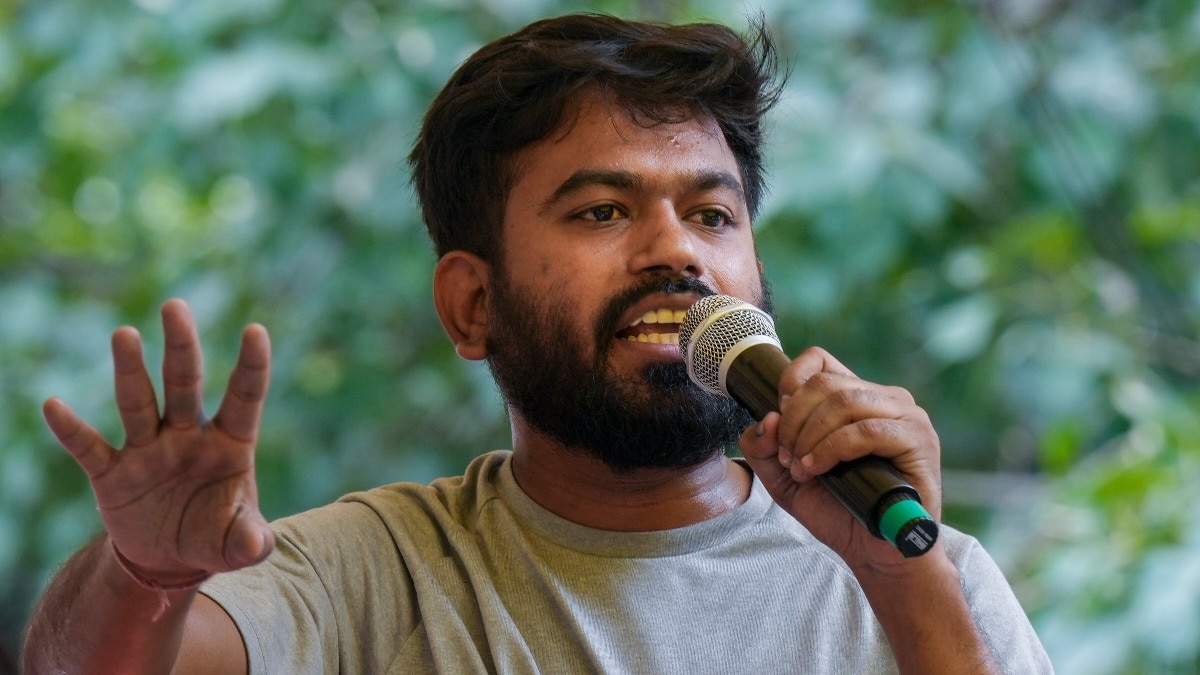
Union leaders such as Nitesh (chief spokesperson), along with senior officials Lina, Hariharan, and Senthil, highlighted grievances over uniform DA, pension revisions, and the insurer’s responsibility to cover retirees’ medical premiums. Approximately two thousand employees joined the strike, leaving many branches unattended.
The immediate impact was palpable: ATMs ran dry, cash counters were empty, and online transactions were delayed, prompting widespread public frustration. Citizens arriving at banks in the morning found closed doors and long queues, underscoring the strike’s disruptive power.
Further strikes are scheduled for September 26, 29, and 30. If the demands are not met, union officials warn of an indefinite work stoppage beginning October 26, a move that could have serious ramifications for the national economy.
Historical Background: Bank employee strikes have occurred before in India; the 2022 nationwide walkout spurred a 15% surge in digital payments, illustrating how labor actions can accelerate fintech adoption while straining cash‑based services.
Banking analyst Ramesh Kumar says the strike could cost the Indian economy millions of rupees in lost transactions.
Why This Matters
BozokMedia analysis shows that prolonged disruption in banking services can erode public confidence, push more users toward digital alternatives, and pressure policymakers to address labor grievances swiftly.
Frequently Asked Questions
Q1: What are the main demands of the striking employees?
A: A five‑day work week, Saturdays off, hiring of additional clerical staff, raising the gratuity ceiling, uniform DA, pension revisions, and employer‑paid medical insurance premiums for retirees.
Q2: How can customers manage their finances during the strike?
A: Customers are advised to use digital payment apps, online banking, or visit nearby branches that are not participating in the strike to meet their cash and transaction needs.