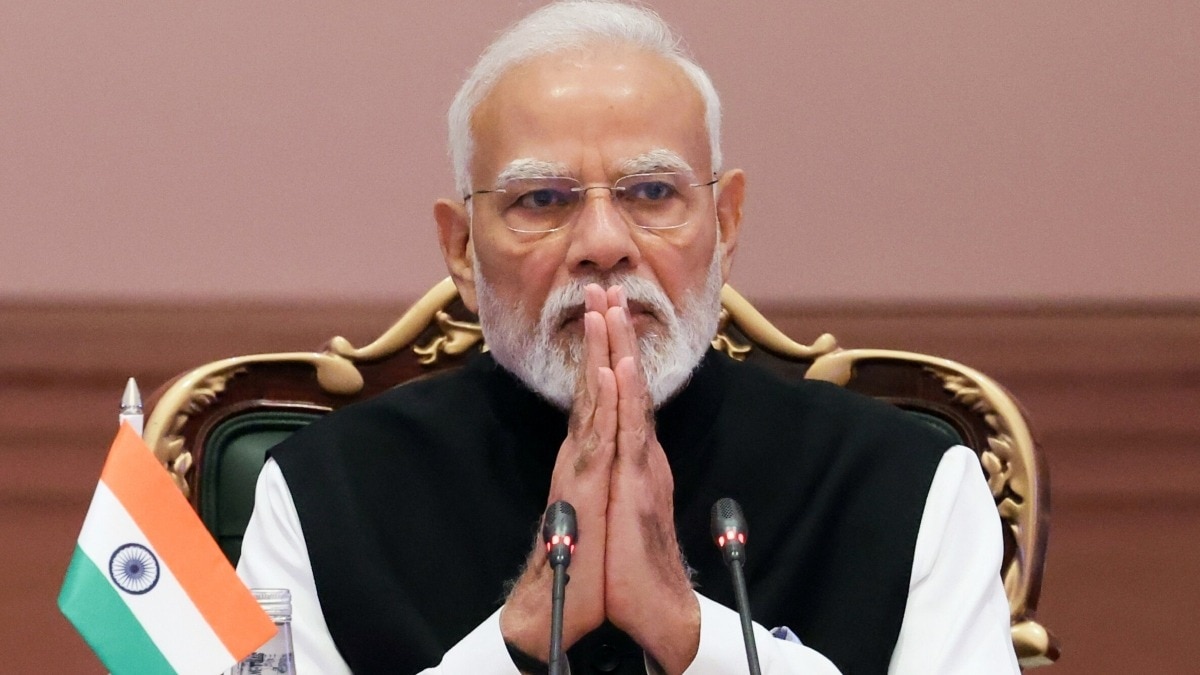
At the 18th BRICS Summit, Prime Minister Narendra Modi urged the transformation of the 'Global South' from passive rule-followers to active rule-shapers. He criticized the current 'pyramid' structure of global governance that marginalizes developing nations.
- PM Modi emphasized transitioning the Global South from 'Rule Takers' to 'Rule Shapers'.
- Described global governance as a pyramid where power is concentrated at the apex.
- Highlighted the Global South's critical reserves of oil, gas, lithium, and copper.
- The 18th BRICS Summit was hosted at Bharat Mandapam, New Delhi.
During the opening session of the 18th BRICS Summit (BRICS 2026) held at Bharat Mandapam in New Delhi, Prime Minister Narendra Modi delivered a powerful address focused on the empowerment of the 'Global South'. He argued that developing nations currently stand on the frontlines of global crises, yet remain marginalized when it comes to the decision-making processes that shape the world.
Understanding the 'Global South'
The term 'Global South' refers to a group of developing, least developed, or emerging economies primarily located in Asia, Africa, Latin America, and Oceania. This collective represents a vast portion of the world's population and is increasingly vital to global economic growth. These regions possess an immense wealth of critical minerals, including oil, natural gas, lithium, and copper, which are indispensable for the global transition to green energy and advanced technology.
Why This Matters
BozokMedia analysis shows that PM Modi's push for 'Rule Shapers' is a strategic move to challenge the traditional hegemony of Western powers. By organizing the Global South into a cohesive political and economic bloc, India aims to ensure that international laws regarding trade, climate change, and security are no longer dictated by a few, but are inclusive of the needs of the many.
"The empowerment of the Global South is no longer an option but a global necessity to ensure a more equitable and stable world order."
The Pyramid of Global Governance
In a striking metaphor, Prime Minister Modi described the current structure of global governance as a pyramid. He pointed out that power and decision-making authority are concentrated at the top, while the countries at the base—those most affected by the decisions—have little to no influence over the outcomes. He urged BRICS leaders to dismantle this hierarchy and foster a more democratic global system.
The presence of Chinese President Xi Jinping and Russian President Vladimir Putin underscored the geopolitical weight of this discussion. India's leadership in this summit signals its ambition to act as the primary bridge between the developed world and the emerging economies of the South.
Frequently Asked Questions
Q1: Which countries are part of the Global South?
A: It primarily includes developing and emerging economies across Asia, Africa, Latin America, and Oceania.
Q2: What does 'Rule Takers to Rule Shapers' mean?
A: It means that developing nations should not merely follow international rules set by developed countries but should actively participate in creating those rules.


