A surge in Chinese-made plastic goods and DIY synthetic kits is reshaping the Ganeshotsav market in Pune, posing challenges for traditional artisans.
- Massive influx of Chinese-made plastic flowers and synthetic decor in local markets.
- Shift toward 'ready-to-assemble' items due to time constraints in nuclear families.
- Hitlon (synthetic foam) emerging as a popular, cheaper alternative to thermocol and wood.
- Artisans urging consumers to support local livelihoods over cheap imports.
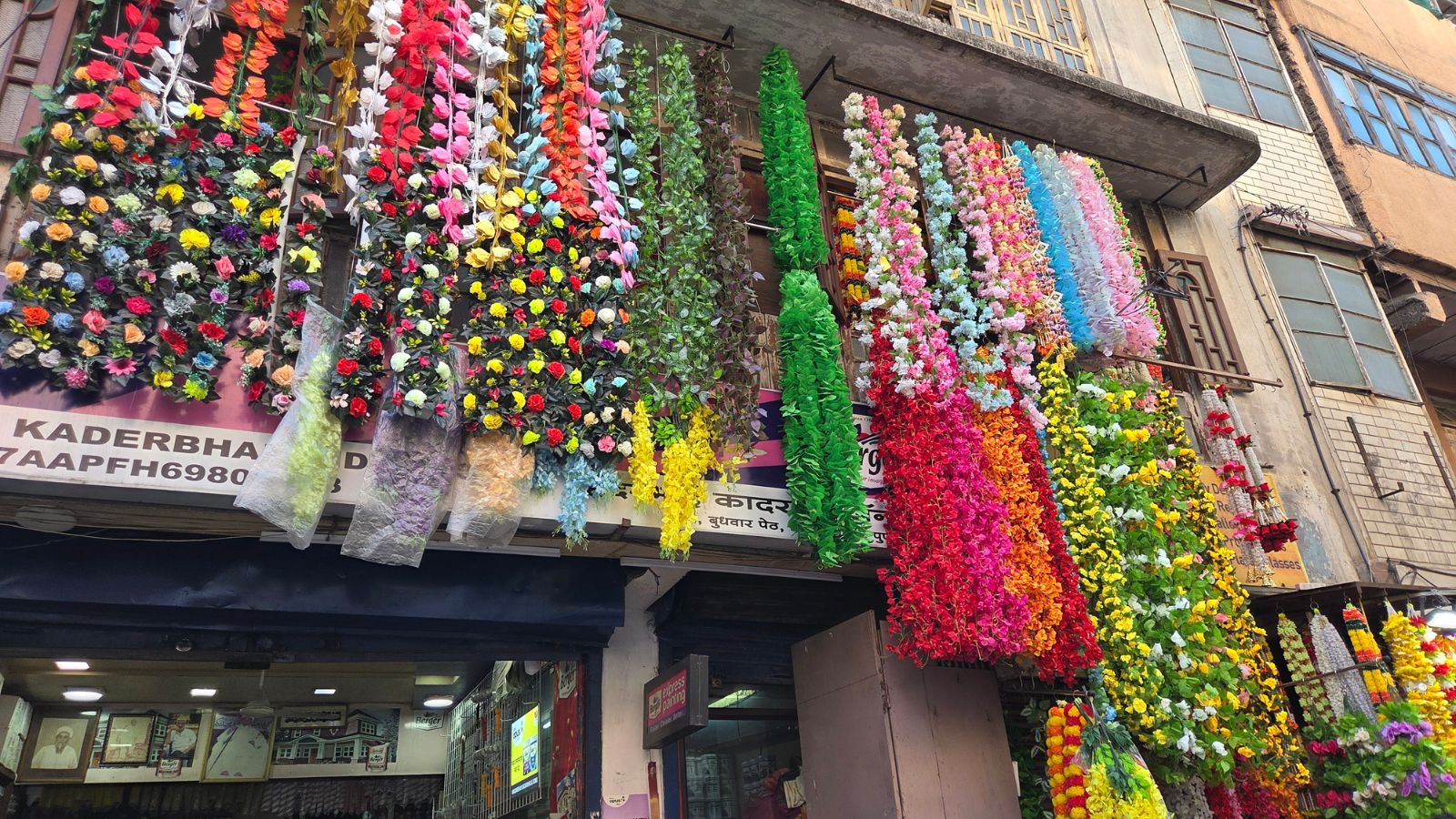
As the vibrant festival of Ganeshotsav approaches, the markets of Pune, including the historic Narayan Peth and Bohri Ali, are brimming with colorful garlands, golden bells, and sequinned backdrops. However, beneath the festive glow, a significant market shift is occurring. A recent survey reveals that the decoration landscape is increasingly dominated by Chinese imports and 'ready-to-assemble' kits.
With the ban on thermocol decorations across India, a synthetic foam material known as Hitlon has stepped in to fill the void. Vinod Oswal, owner of Samrat Mini Mart near Tulsi Baug, notes that nearly 80 percent of his sales consist of Hitlon and other synthetic products. This material is lightweight and easy to shape, allowing customers to create architectural-style mandaps that mimic wood or marble at nearly 50 percent less cost than traditional wooden cutouts.
Why This Matters
BozokMedia analysis shows that the intersection of rapid urbanization and globalized trade is altering traditional festive rituals. While convenience drives consumer behavior, the economic impact on local craftsmanship is profound and potentially irreversible if trends continue.
The irony lies in welcoming the deity with decorations manufactured thousands of miles away in China.
Yogesh Chavan, a veteran artisan with 13 years of experience in the makhar (shrine) business at Bohri Ali, highlights a growing tension. While he has transitioned to eco-friendly materials like MDF (Medium-Density Fibreboard), paper, and cloth to cater to conscious consumers, he notes the heavy competition from cheap, attractive Chinese plastic flowers. He has made a heartfelt appeal to devotees to purchase from local artisans to ensure community livelihoods are protected.
The demand is largely driven by the modern lifestyle. Ibrahim Baramatiwala, a shopkeeper at Bohri Ali, explains that working professionals and nuclear families often lack the time for extensive, traditional craft projects. Consequently, they opt for convenience—preferring items that can be quickly assembled. This has turned the festive decor market into a highly seasonal, fast-paced industry that spans from Ganeshotsav through Diwali.
Historical Background
Ganeshotsav was transformed from a private household celebration into a massive public festival by Lokmanya Tilak to foster national unity. Historically, these decorations were handcrafted using local materials like clay, fabric, and wood. The current shift toward synthetic and imported goods marks a significant departure from the festival's roots of community-driven, indigenous craftsmanship.
| Feature | Traditional Decor | Modern/Imported Decor |
|---|---|---|
| Material | Wood, Clay, Fabric | Plastic, Hitlon, Synthetics |
| Cost | Higher (Customized) | Lower (Mass Produced) |
| Convenience | Time-intensive | Rapid Assembly |
Frequently Asked Questions
1. Why is Hitlon being used instead of Thermocol?
Since thermocol is banned in many parts of India, Hitlon serves as a lightweight, versatile, and easy-to-paint synthetic alternative.
2. How can consumers support local artisans?
By choosing handmade MDF, cloth, or wooden decorations over mass-produced plastic imports.