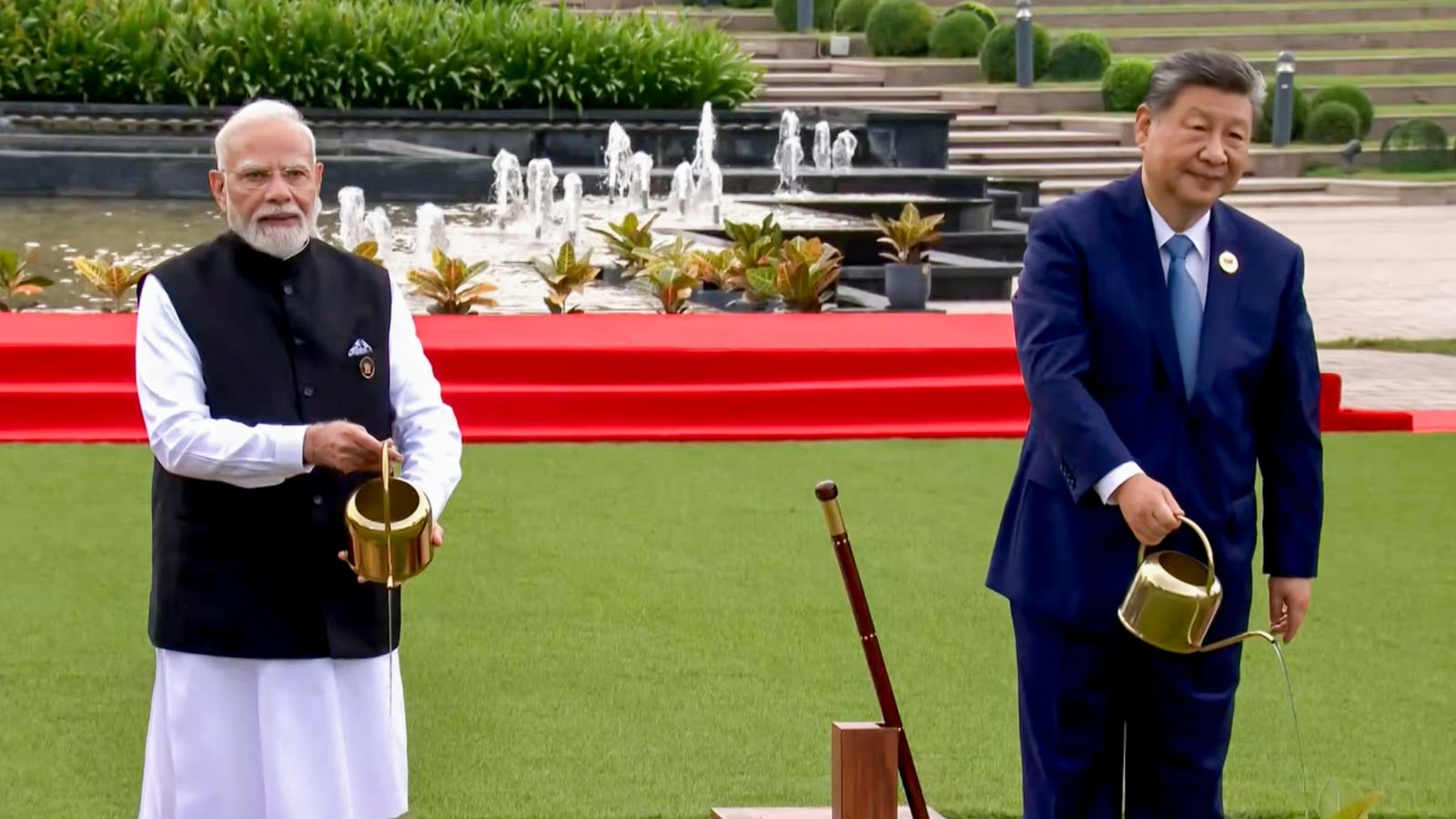
The Mandya district administration has launched the 'Young Ganesha' campaign, blending traditional festivities with civic duty to encourage youth voter registration and environmental sustainability.
- Integration of Gauri-Ganesha festival with SVEEP voter awareness programs.
- Symbolic distribution of EPIC cards to newly registered youth voters.
- Removal of 1.60 lakh duplicate and deceased entries from electoral rolls.
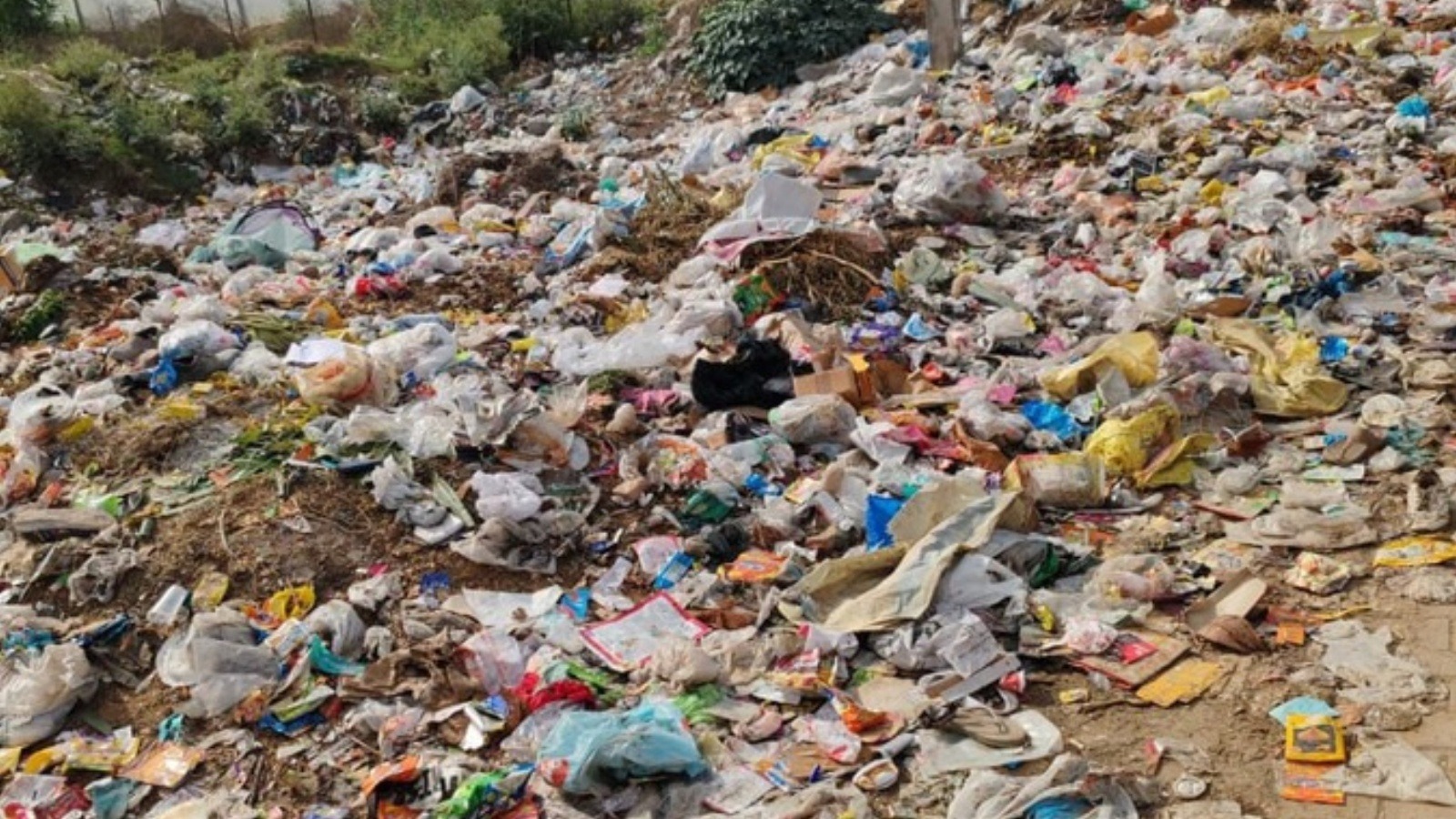
- Strong push for clay idols over Plaster of Paris (PoP) to protect the environment.
In a unique blend of cultural celebration and civic responsibility, the Mandya district administration and the District Systematic Voters’ Education and Electoral Participation (SVEEP) Committee have introduced the 'Young Ganesha' concept. This initiative leverages the vibrancy of the Gauri-Ganesha festival to instill a sense of democratic duty among the youth, ensuring that the spirit of celebration is matched by a commitment to the electoral process.
During the launch event, Deputy Commissioner Kumar and Zilla Panchayat CEO K.R. Nandini emphasized the dual importance of environmental preservation and political participation. The event featured the symbolic distribution of Electoral Photo Identity Cards (EPICs) to young citizens who registered during the Special Intensive Revision (SIR) of electoral rolls-2026. To further engage the public, creative rangolis depicting SIR-2026 activities were showcased, turning a religious gathering into an educational hub.
Why This Matters
BozokMedia analysis shows that traditional government outreach often fails to resonate with Gen Z and Millennials. By embedding voter registration into a high-emotion cultural event like Ganesha Chaturthi, the Mandya administration is effectively lowering the barrier to civic engagement. This 'cultural-civic' bridge is a sophisticated strategy to increase voter turnout in upcoming elections by meeting the youth where they are—in their community celebrations.
Integrating civic education into cultural festivals transforms a routine administrative task into a community movement, significantly increasing the likelihood of youth registration.
The administration's focus on a 'clean' electoral roll is equally critical. Deputy Commissioner Kumar revealed that approximately 1.60 lakh names of deceased, bogus, and duplicate voters were purged during the SIR process. This rigorous cleanup ensures that the democratic process remains transparent and fair. With over 1,000 new applications already received, the district is moving toward a more accurate and inclusive voter database.
Innovation has been the cornerstone of the SVEEP committee's strategy. K.R. Nandini highlighted that the district has moved beyond conventional brochures. For instance, a singing competition at Mandya University led to the creation of an original song about the SIR process, written and composed by a differently-abled student. This song has now been officially adopted as the district's SVEEP awareness anthem, showcasing a commitment to inclusivity and creativity.
The campaign, operating under themes like 'SVEEP Gauri' and 'Young Voter Ganesha', carries a powerful message: “My right, my responsibility, my vote — I will register.” By partnering with the City Municipal Council, the administration ensures that the message reaches every corner of the urban and semi-urban landscape.
| Focus Area | Traditional Method | 'Young Ganesha' Approach |
|---|---|---|
| Outreach | Government Offices/Notices | Cultural Festivals/University Events |
| Medium | Pamphlets/Radio | Rangoli/Music/Festivals |
| Environmental Impact | Neutral/Ignored | Promotion of Clay Idols over PoP |
Frequently Asked Questions
Q1: What is the primary goal of the 'Young Ganesha' initiative?
The primary goal is to increase voter awareness and registration among youth by integrating the message into the Gauri-Ganesha festival celebrations.
Q2: How does the administration ensure the electoral rolls are accurate?
Through the Special Intensive Revision (SIR) process, which involves removing deceased and duplicate entries while facilitating new registrations for eligible 18-year-olds.