The National Green Tribunal has ordered the Tamil Nadu government to reconsider using Pattinapakkam and Neelankarai for idol immersions due to their protected CRZ-I status. The move aims to protect fragile marine ecosystems from pollution during Vinayaka Chathurthi celebrations.
- NGT flags Pattinapakkam and Neelankarai as restricted CRZ-I zones.
- Authorities directed to redistribute immersion activities to other four approved sites.
- Tribunal emphasizes 'polluter pays' principle and marine ecosystem protection.
The Southern Bench of the National Green Tribunal (NGT) has issued a critical directive to the Tamil Nadu authorities regarding the environmental impact of Vinayaka Chathurthi celebrations in Chennai. The tribunal has specifically questioned the use of Pattinapakkam and Neelankarai as sites for idol processions and immersions, citing that these areas fall under the highly protected Coastal Regulation Zone-I (CRZ-I).
During the proceedings, the bench—comprising Justice Pushpa Sathyanarayana and expert member Prashant Gargava—pointed out that while six locations had been identified for the festivities, the inclusion of CRZ-I zones is legally and environmentally problematic. The NGT has urged the state government to split the load of these two sites and attach them to the remaining four designated areas to prevent ecological degradation.
Why This Matters
BozokMedia analysis shows that this ruling marks a significant shift toward prioritizing ecological sustainability over traditional urban planning for festivals. By strictly enforcing CRZ-I regulations, the NGT is signaling that religious traditions must adapt to the urgent need for coastal preservation. The 'polluter pays' principle, previously mentioned by the tribunal, suggests that the cost of environmental cleanup will now be shifted toward those responsible for the pollution.
"The intersection of cultural heritage and environmental law requires a delicate balance, but the integrity of the marine ecosystem is non-negotiable."
The directive follows a comprehensive review of status reports submitted by District Collectors across Tamil Nadu, the Tamil Nadu Pollution Control Board, and the Greater Chennai Corporation. While the NGT acknowledged the state's efforts in public awareness campaigns, it stressed that deeper sensitization is required regarding the vulnerability of the marine ecosystem.
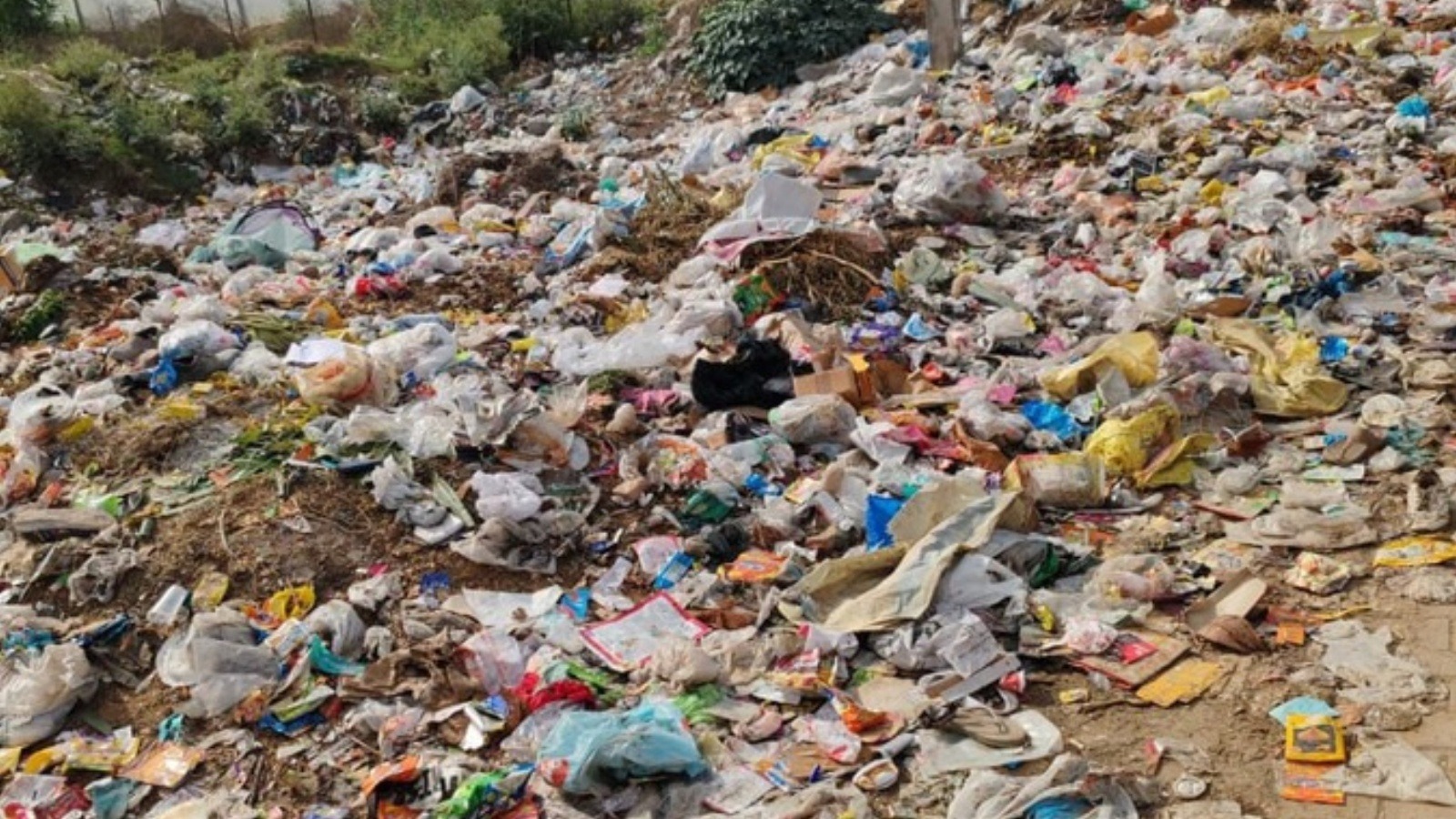
Historically, the beaches of Chennai have suffered significant pollution post-immersion, with non-biodegradable materials and chemical paints leaching into the ocean. This has led to a recurring cycle of debris washing ashore, as seen in the 2023 celebrations at Pattinapakkam, prompting the judiciary to intervene more aggressively in recent years.
| Category | CRZ-I Zones (Pattinapakkam/Neelankarai) | Other Designated Sites |
|---|---|---|
| Environmental Status | Highly Protected/Ecologically Sensitive | General Coastal/Managed Areas |
| Permissibility | Likely Prohibited/Restricted | Permitted with Regulations |
| Impact Level | Severe Risk to Marine Biodiversity | Manageable Environmental Load |
Frequently Asked Questions
Q1: Why are Pattinapakkam and Neelankarai being reconsidered?
A1: Because they fall within the Coastal Regulation Zone-I (CRZ-I), which is a protected area where activities that harm the environment are strictly regulated or prohibited.
Q2: What is the 'polluter pays' principle mentioned by the NGT?
A2: It is an environmental law principle where those who produce pollution are responsible for paying for the damage done to the natural environment.