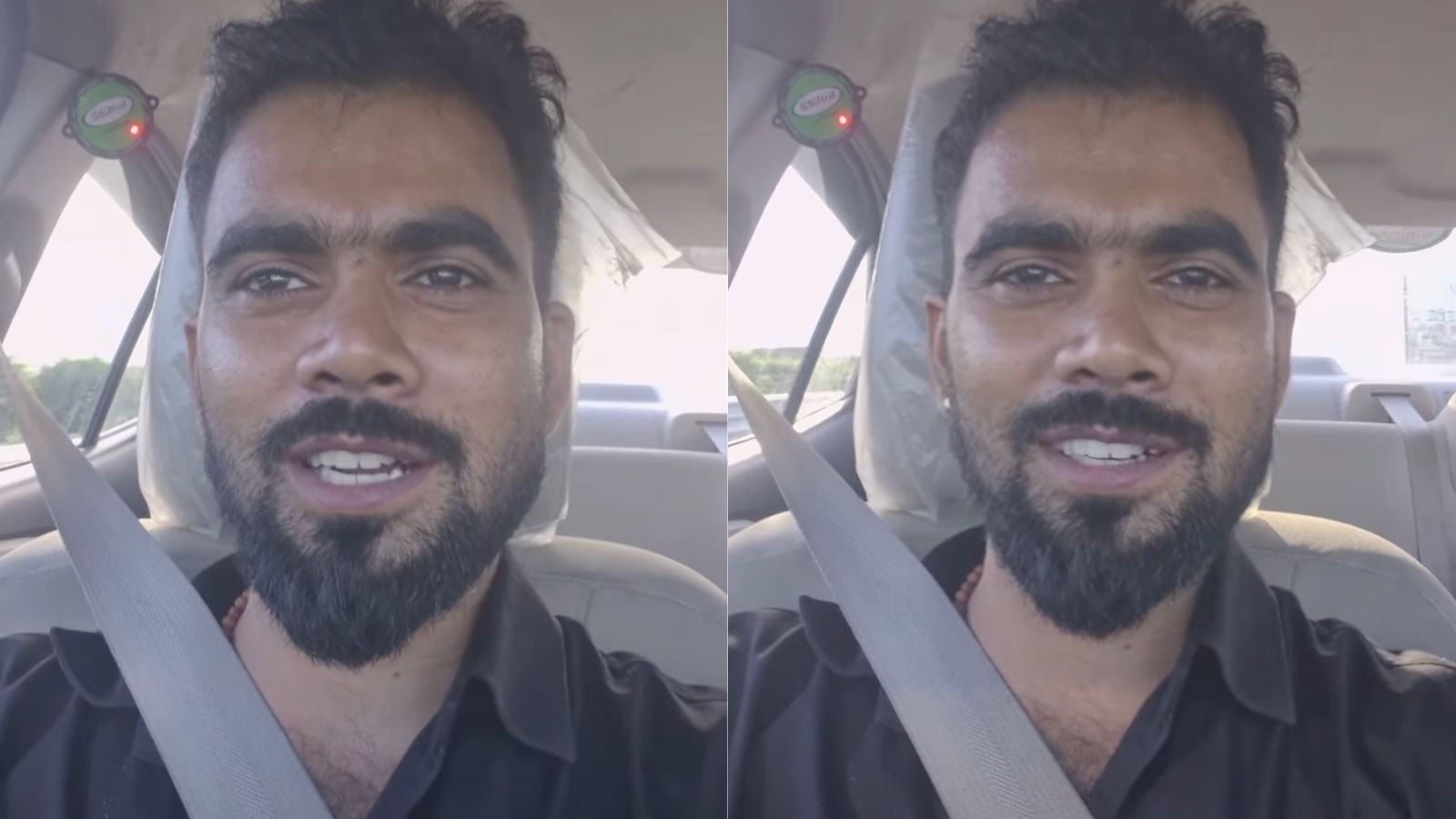
Strict traffic restrictions and diversions in New Delhi due to the 18th BRICS Summit have led to a significant drop in earnings for auto-rickshaw drivers and gig workers. With 35 roads restricted, the informal economy is feeling the brunt of high-profile security measures.
- 35 roads are under 12-hour traffic restrictions.
- 22 diversion points have been established across the capital.
- Gig workers report income drops of up to 60%.
- Commuters are shifting to the Metro to avoid road congestion.
As the 18th BRICS Summit takes center stage in the national capital, the heightened security measures required for VVIP movements have created a ripple effect across the local economy. While the summit aims to bolster international cooperation, the immediate reality for New Delhi and Central Delhi's workforce is one of financial struggle. The implementation of 12-hour restrictions on 35 major roads and 22 diversion points has severely hampered the mobility of auto-rickshaws, e-rickshaws, and delivery personnel.
Economic Strain on the Gig Economy
For many workers in the informal sector, these restrictions translate directly into lost wages. Pawan, a 19-year-old gig worker, shared that his earnings have plummeted due to the sudden roadblocks. "My usual routes through ITO, Delhi Gate, and Mandi House up to Chanakyapuri are now heavily restricted. When rides aren't available, delivery orders take much longer due to the jams," he explained.
The situation is equally dire for auto drivers. Mahavir Pal, an experienced driver, noted that a simple 10-minute trip can now take upwards of half an hour. "The police claim there is minimal inconvenience, but for those of us who live hand-to-mouth, being unable to move is a massive inconvenience," he remarked.
Why This Matters
BozokMedia analysis shows that large-scale diplomatic summits often create a 'shadow cost' for the local urban poor. While the macro-economic benefits of hosting such events are significant, the micro-economic impact on the gig economy—which relies on seamless urban mobility—is often overlooked in official security advisories.
The friction between national security protocols and the operational needs of the urban informal sector highlights a growing gap in urban crisis management.
Lakshman, a 32-year-old worker, highlighted the shift in consumer behavior. He noted that his daily earnings dropped from ₹1,000 to just ₹400 on a single Saturday. As citizens increasingly opt for the Delhi Metro to bypass the chaos, the demand for road-based transport has seen a sharp decline.
Historical Background
Historically, major international summits in India, such as the G20, have required massive logistical overhauls. While these events demonstrate India's growing global stature, they consistently pose challenges to the city's transit ecosystem, forcing a temporary shift in how the city functions.
Frequently Asked Questions
1. Which areas in Delhi are most affected by BRICS 2026 traffic rules?
Areas around Chanakyapuri, ITO, Mandi House, and Central Delhi are experiencing the most significant restrictions.
2. What is the recommended mode of transport during the summit?
Authorities strongly advise citizens to use the Delhi Metro to avoid road diversions and congestion.