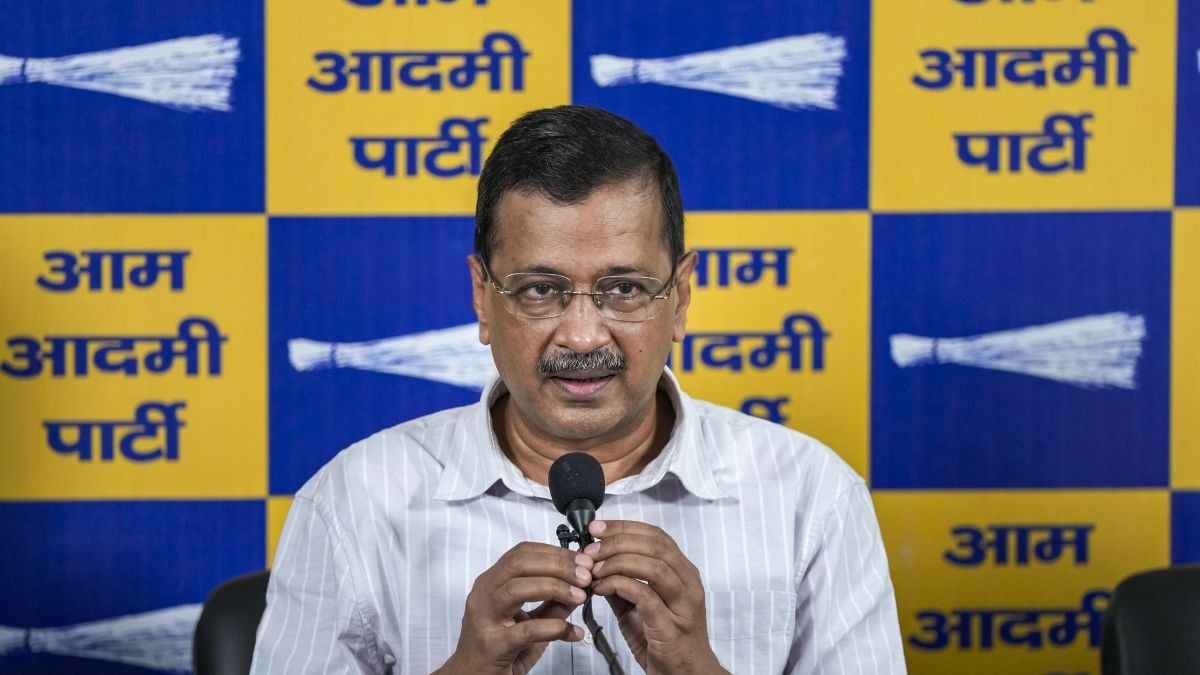
AAP chief Arvind Kejriwal slammed the defection of seven Rajya Sabha MPs, labeling it a betrayal and vowed to scrutinise future nominees a hundred times. The move highlights cracks in the party’s selection process and a push for stricter vetting.
- Kejriwal decries seven AAP MPs’ defection as a betrayal.
- Commitment to vet future Rajya Sabha candidates 100 times.
- Implications for AAP’s internal selection process.
New Delhi – Arvind Kejriwal, the chief of the Aam Aadmi Party (AAP), publicly condemned the recent defection of Raghav Chadha, Sandeep Pathak, and five other party MPs from the Rajya Sabha. He described the episode as "extremely unfortunate" and a betrayal of the party.
"These MPs earned their seats through AAP, not by the people's vote. They betrayed the party; AAP has betrayed no one," Kejriwal said, underscoring the sense of betrayal within the party ranks.
Why This Matters
BozokMedia analysis points out that the incident exposes a weakness in AAP’s candidate selection process. By pledging a hundred-fold verification for future nominees, Kejriwal aims to strengthen transparency and internal governance in the party’s upper‑house outreach.
"This step is a crucial move to revive AAP’s internal discipline and electoral credibility," says political analyst Pawan Sharma.
Frequently Asked Questions
1. What is a defection and how does it affect the Rajya Sabha?
A defection occurs when a member switches parties, potentially altering the balance of power and debate dynamics in the Rajya Sabha.
2. How will AAP scrutinise candidates in the future?
Kejriwal has promised that future nominees will undergo a hundred‑fold credibility check before being sent to the Rajya Sabha.
