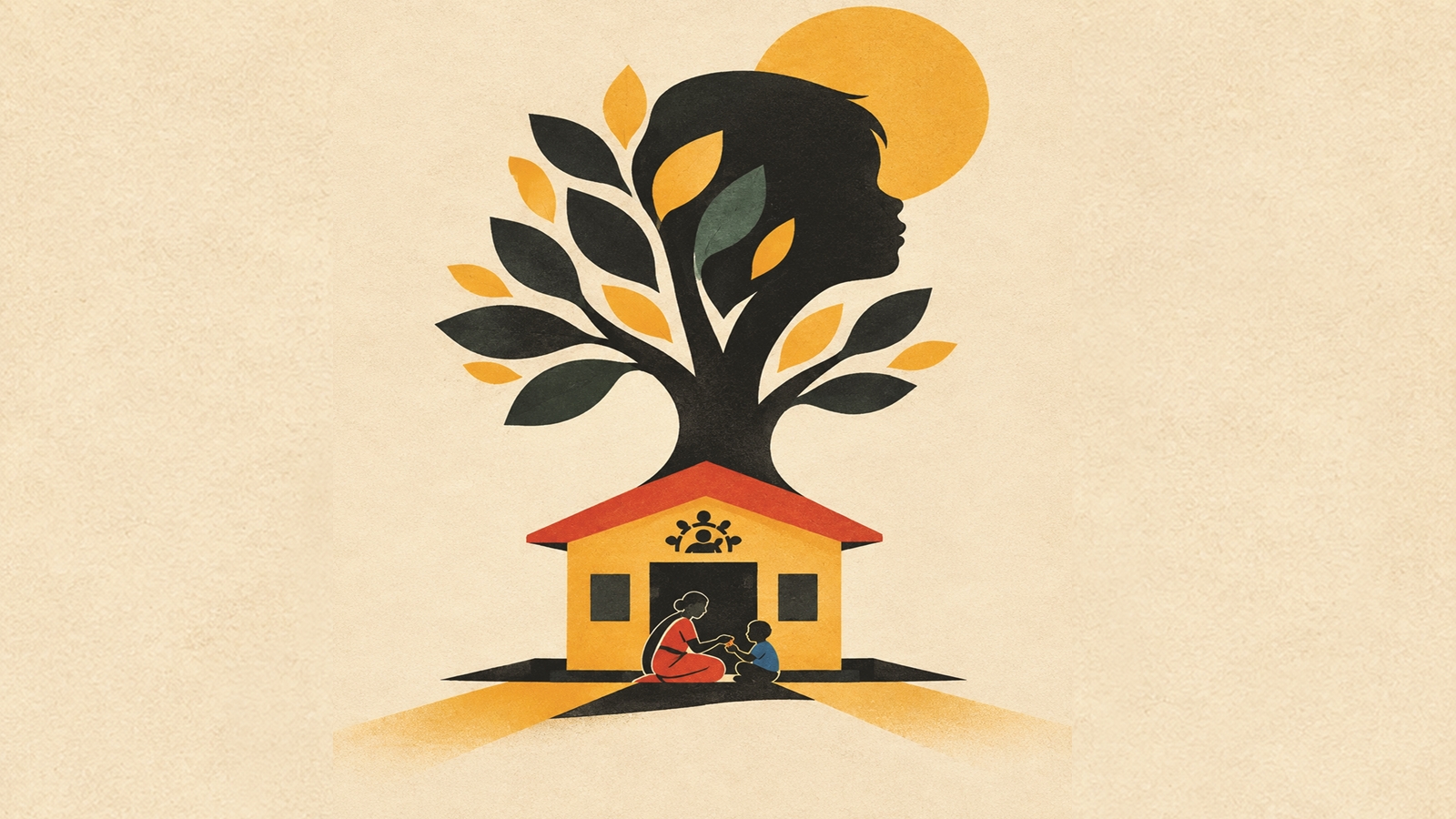
Anganwadi centers are more than just nutrition hubs; they are the architects of India's future. Through community ownership and strategic government initiatives, they are securing the health of millions.
- 14 lakh Anganwadi centers serve as the primary link between the state and 8.9 crore citizens.
- Community ownership is being institutionalized through management committees and social audits.
- Early learning curricula like Navchetna are integrating nutrition with school readiness.
The India of 2047 will be built by children who have not yet entered the formal schooling system. Their journey toward becoming healthy, confident, and capable adults begins decisively in the first 1,000 days of life. For millions of Indian families, this critical journey is anchored by the Anganwadi.
Currently, 14 lakh Anganwadi centers act as the frontline of the state's welfare machinery, reaching over 8.9 crore children, women, and adolescent girls. With 25.2 lakh workers and helpers drawn directly from their local communities, these centers are inherently neighborhood institutions.
Why This Matters
BozokMedia analysis shows that nutrition must transition from being perceived as a mere government service to a shared community responsibility. When Anganwadi Management Committees involve parents, Panchayats, and Self-Help Groups, the center flourishes through collective accountability and transparency.
When every community takes responsibility for its Anganwadi, Bharat takes responsibility for every child’s future.
Beyond nutrition, the focus has shifted toward Early Learning. The integration of the Navchetna and Aadharshila curricula ensures that children are not just physically nourished but are also cognitively prepared for formal schooling. Workers track 34 developmental milestones to ensure no child is left behind.
Historical Background
The transformation of Anganwadis into a national movement gained massive momentum in March 2018 with the launch of the POSHAN Abhiyaan by Prime Minister Narendra Modi. This initiative has since evolved into a structured movement to combat malnutrition across the country.
| Feature | Traditional Approach | Modern Anganwadi Model |
|---|---|---|
| Focus Area | Basic Nutrition | Nutrition + Early Learning |
| Ownership | Government-led | Community-driven |
| Monitoring | Top-down | Social Audits & Transparency |
Frequently Asked Questions
1. What is the role of community ownership in Anganwadis?
It involves parents and local leaders participating in management and social audits to ensure quality services and transparency.
2. How does the government ensure nutritional standards?
Through the Comprehensive Guidelines for SNP 2026, which mandate specific micronutrient norms and balanced meals under the National Food Security Act.