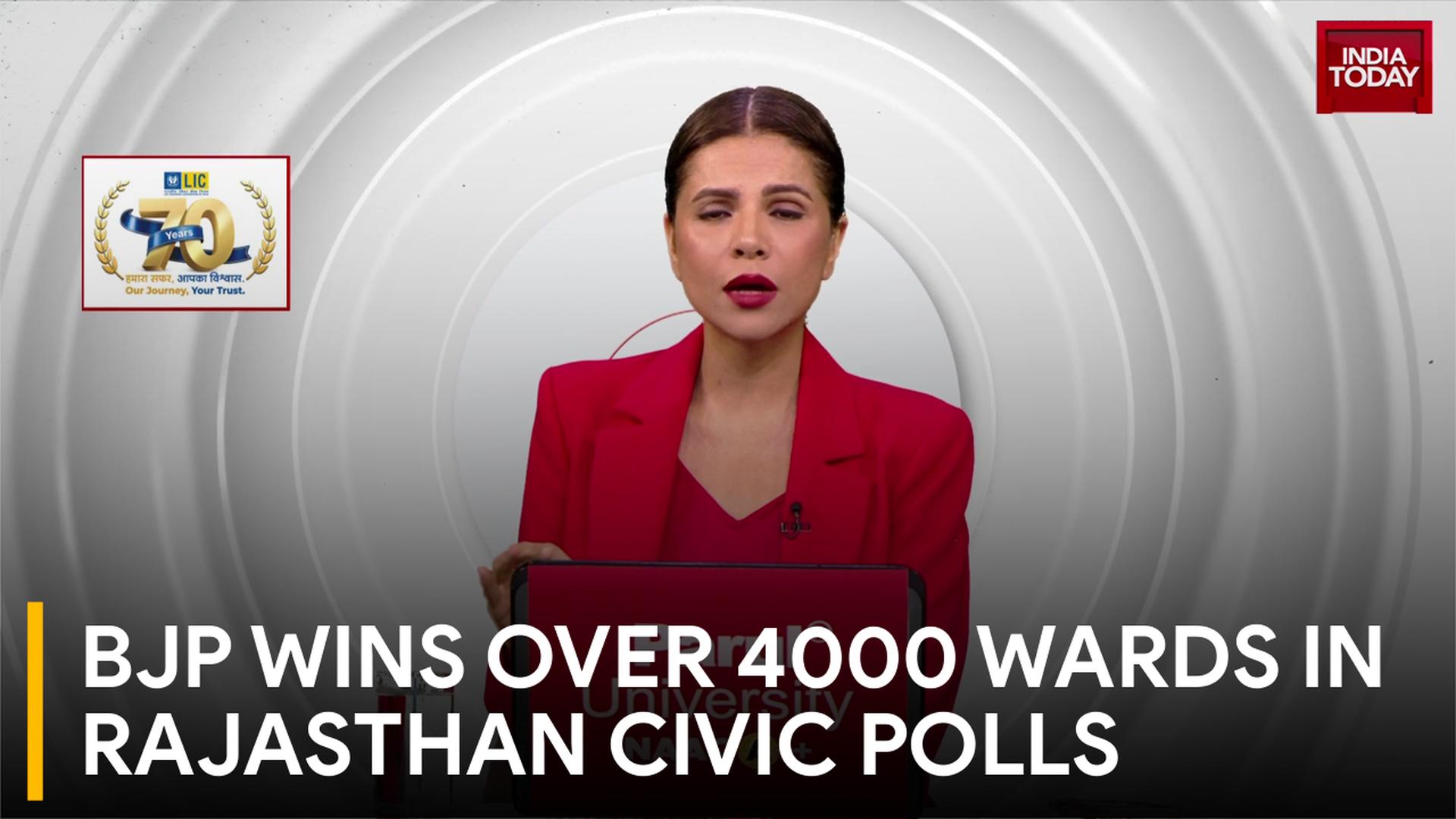
In an India Today interview, satirist Cyrus Broacha attributes the Gurugram road‑rage attack on a female motorcyclist to male ego, not ordinary traffic anger, and demands strict legal action.
- Cyrus Broacha links the Gurugram road‑rage case to male ego rather than simple traffic frustration.
- He argues the incident stems from an inability to accept rejection, rooted in cultural norms.
- Broacha calls for harsher legal penalties and urgent gender parity.
Incident Overview
A car rammed into a female motorcyclist on a busy Gurugram road, leaving her seriously injured. Media initially reported the episode as a classic "road rage" incident.
Broacha’s Interview
During a conversation with India Today, television personality and satirist Cyrus Broacha stated, "The fundamental issue is the male ego." He emphasized that the driver’s inability to handle rejection, not mere traffic anger, fueled the assault.
Male Ego and Social Conditioning
Broacha highlighted that Indian boys are rarely taught to accept defeat or rejection from childhood. This cultural conditioning, reinforced by family dynamics, often manifests as aggression when faced with perceived humiliation.
Legal Perspective
Labeling the act as "an attempt to murder," Broacha demanded that the driver face stringent legal consequences and criticized the police’s initial tepid response.
Societal Impact
The case underscores the urgent need for gender parity on Indian roads. Broacha urged society to dismantle male entitlement and promote accountability across generations.
Historical Background
Gender‑based violence has long plagued India, from the 1970s till today, with numerous high‑profile cases exposing systemic gaps in women’s safety. Road‑rage incidents often mirror deeper power struggles rooted in gender bias.
Why This Matters
BozokMedia analysis shows that such incidents reflect entrenched gender biases that affect road safety, legal enforcement, and overall societal health across India.
"Addressing gender‑based aggression requires not only stricter penalties but also comprehensive education and cultural reform," says Dr. Anita Singh, professor of sociology.
Frequently Asked Questions
Q1: Is police response typically slow in road‑rage cases?
A: Many incidents suffer from delayed reporting and limited initial action, which hampers timely justice for victims.
Q2: Does India have a specific law against road rage?
A: While there is no dedicated road‑rage statute, such acts can be prosecuted under existing assault and homicide provisions.