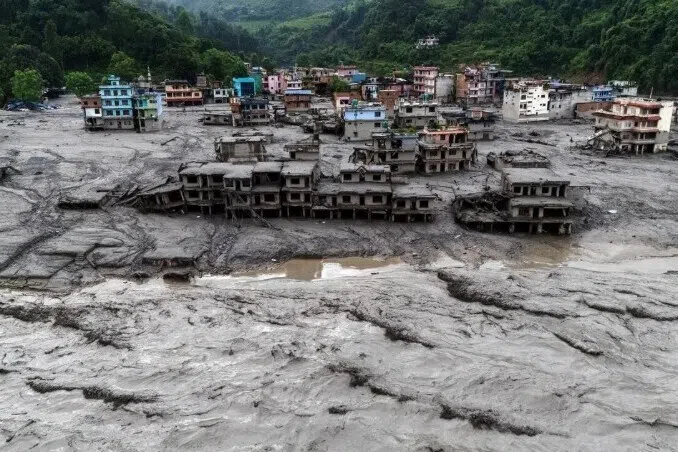
A new study warns that Himalayan glaciers are melting faster than ever, pushing the region toward a dangerous tipping point that could jeopardize millions of lives and water security by mid‑century. The 30 August 2026 collapse on the Nepal‑Tibet border triggered deadly landslides and flash floods, killing over 1,300 people and leaving more than 5,300 missing.
- Himalayan glaciers are melting at an alarming rate, signaling a looming crisis.
- August 30 collapse killed 1,300+ and left 5,300+ missing in Nepal‑Tibet region.
- Future water security and livelihoods of millions at stake.
A recent international study, prepared by the advisory firm Systemic in partnership with the Integrated Mountain Group, the International Center for Mountain Development, and India’s G. P. Bhandari National Himalayan Environment Institute, highlights the accelerating melt of Himalayan glaciers and its potential to destabilize downstream valleys.
Recent Collapse and Its Human Toll
On August 30, 2026, a massive glacier collapse on the Nepal‑Tibet border triggered a cascade of landslides and flash floods. The disaster claimed more than 1,300 lives and left over 5,300 people missing, underscoring the fragility of the region’s geography and water systems.
Scientific Findings
The report notes that as glaciers melt, they leave behind loose rock and unstable ice fragments that can trigger further landslides. This process, if left unchecked, could amplify water shortages for millions of people who depend on glacial meltwater for agriculture and daily needs.
Why This Matters
BozokMedia analysis shows that the rapid glacier retreat not only threatens regional water supplies but also poses a broader climate risk, affecting countries from Nepal to China, India, and Pakistan. The findings call for urgent adaptation measures and cross‑border cooperation.
"The speed of glacier melt in the Himalayas has reached an emergency level, demanding immediate action," says Dr. Anil Kumar, climate scientist.
Frequently Asked Questions
Q1: Could future glacier collapses trigger more landslides?
A1: Yes, the loose ice and unstable rock increase the likelihood of repeated landslides.
Q2: What steps can governments take to mitigate this risk?
A2: Implement climate adaptation plans, robust flood‑management infrastructure, and community awareness campaigns.