Beyond the flames of Jauhar lies the fierce defiance of Saka. Discover why the warriors of Chittorgarh chose a final, bloody charge over the humiliation of surrender.
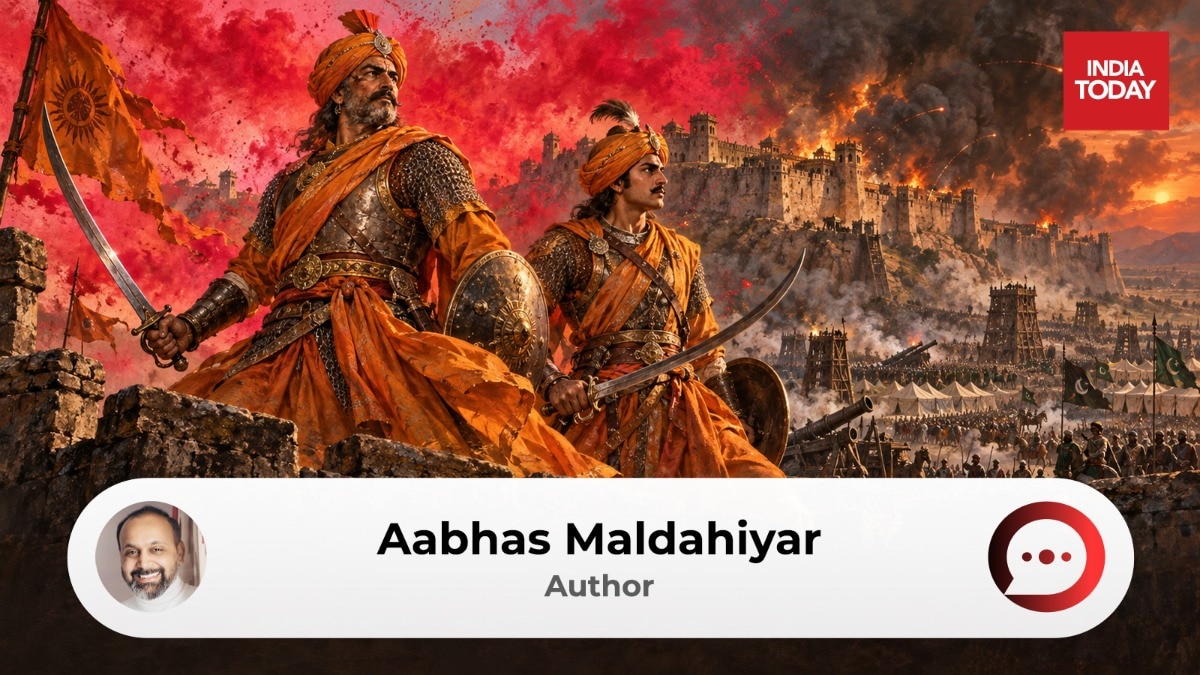
- Jauhar and Saka were symbiotic acts: women entered the fire while men donned saffron for a final, suicidal charge.
- Chittorgarh witnessed this cycle of ritual sacrifice and defiance three distinct times in its history.
- The 1568 siege by Akbar's forces marked a pivotal moment when the fall of commander Jaimal Rathore sealed the fort's fate.
To truly grasp the historical weight of Chittorgarh, one must look beyond the singular tragedy of Jauhar. Jauhar did not occur in isolation; it was inextricably linked to Saka—the final, desperate sortie of saffron-clad warriors who chose a glorious death over the indignity of captivity. To understand one is to understand the other: a dual manifestation of ultimate defiance against overwhelming odds.
The ancient warrior ballads, such as the 13th-century Alha-Khand, reflect a worldview where life was measured not by years, but by honor. A life lived without dignity was considered worse than death. In the rugged terrain of Mewar, this ethos was etched in blood and fire, particularly during the sieges of the great fortress.
Why This Matters
BozokMedia analysis shows that these rituals were not merely acts of desperation but were deeply embedded socio-military codes of conduct. They represented a psychological refusal to accept defeat, transforming a military loss into a moral victory that resonated through centuries of Indian history.
Jauhar was the sanctification of the soul through fire, while Saka was the sanctification of the warrior through the sword.
One of the most harrowing instances occurred in 1568, during the siege by the Mughal Emperor Akbar. After months of relentless bombardment and starvation, the fortress's defenses crumbled following the death of the legendary commander Jaimal Rathore. As the women prepared for Jauhar, the men prepared their Kesariya (saffron) attire, ready to march out of the gates for a battle they knew they would not survive.
The Three Great Sieges of Chittorgarh
| Year | Invader | Historical Context |
|---|---|---|
| 1303 | Alauddin Khalji | The siege associated with Rani Padmini and the Guhila dynasty. |
| 1535 | Bahadur Shah of Gujarat | A period of intense conflict following the weakening of Mewar. |
| 1568 | Akbar (Mughal Empire) | The final stand involving Jaimal Rathore and the mass Saka. |
The legends of Chittorgarh are often intertwined with literature, most notably Malik Muhammad Jayasi’s Padmavat. While Jayasi’s epic provides a magnificent narrative of Rani Padmini, historians note the distinction between poetic allegory and contemporary chronicles like those of Amir Khusrau. Regardless of the literary embellishments, the historical core of resistance remains an undeniable fact of the Rajput legacy.
Frequently Asked Questions
Q1: What is the difference between Jauhar and Saka?
A: Jauhar refers to the ritual self-immolation by women to avoid capture, while Saka is the final suicidal battle charge by the men.
Q2: Why is Chittorgarh significant in Indian history?
A: It stands as a symbol of Rajput valor and the extreme lengths to which they went to protect their honor and sovereignty.