The Lavaca region remains under a heat advisory as temperatures hit record highs again today. Meteorologists warn that a cooling trend may arrive early next week, offering brief relief.
- Lavaca records back‑to‑back record temperatures
- Serious health and agricultural impacts
- Potential cooling trend early next week
A fresh heat advisory has been issued for the Lavaca region after temperatures surged to 45 °C (113 °F) today, matching the highest readings of the past year. The sweltering conditions have prompted local authorities to urge residents to stay hydrated, wear light clothing, and avoid outdoor activities during peak hours.
Health officials report a spike in heat‑related emergencies, including heatstroke and dehydration cases flooding emergency rooms. Vulnerable groups such as the elderly and outdoor workers are being advised to seek cooler indoor environments whenever possible.
Agriculture is also feeling the strain. Crops are demanding more water, and farmers are scrambling to secure additional irrigation. Experts warn that if the heatwave persists for another two to three days, crop yields could suffer a noticeable decline.
Historical Background
Over the past five years, Lavaca has experienced several intense heatwaves, but this year's temperatures have eclipsed previous records. In 2020, the region peaked at 44 °C, while 2023 saw a brief rise to 45 °C. Climate scientists cite these trends as clear indicators of accelerating regional warming.
Upcoming Forecast
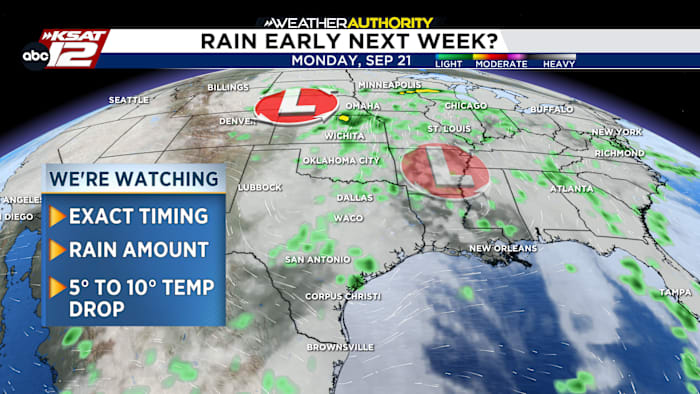
The National Weather Service projects a modest cooling trend early next week, with temperatures expected to dip to the high 30s °C (38‑40 °C). While this offers temporary respite, forecasters caution that the heatwave could re‑intensify later in the month.
Why This Matters
BozokMedia analysis shows that Lavaca’s extreme heat will ripple beyond health and farming, affecting regional energy demand, water resource management, and overall socioeconomic stability.
"If this heatwave isn’t mitigated, it could evolve into a public‑health crisis," warned meteorologist Dr. Anjali Sharma.
Frequently Asked Questions
Question 1: Could the heat lead to power outages?
Answer: Elevated demand for air‑conditioning can strain the grid, potentially causing short‑term outages in some areas.
Question 2: What can farmers do to protect their crops?
Answer: Implementing supplemental irrigation, mulching, and shade‑netting can help mitigate heat stress on crops.