After years of deadlock over costs and benefits, six states have finally signed an MoU for the ₹15,000-crore Kishau Multipurpose Project. A massive 90% funding commitment from the Centre has cleared the path.
- The 660 MW Kishau Multipurpose Project has received official multi-state approval.
- The Central Government will bear 90% of the total project cost.
- The project involves a 236-meter high concrete gravity dam on the Tons River.
- Key beneficiaries include Delhi, Haryana, Rajasthan, and Himachal Pradesh.
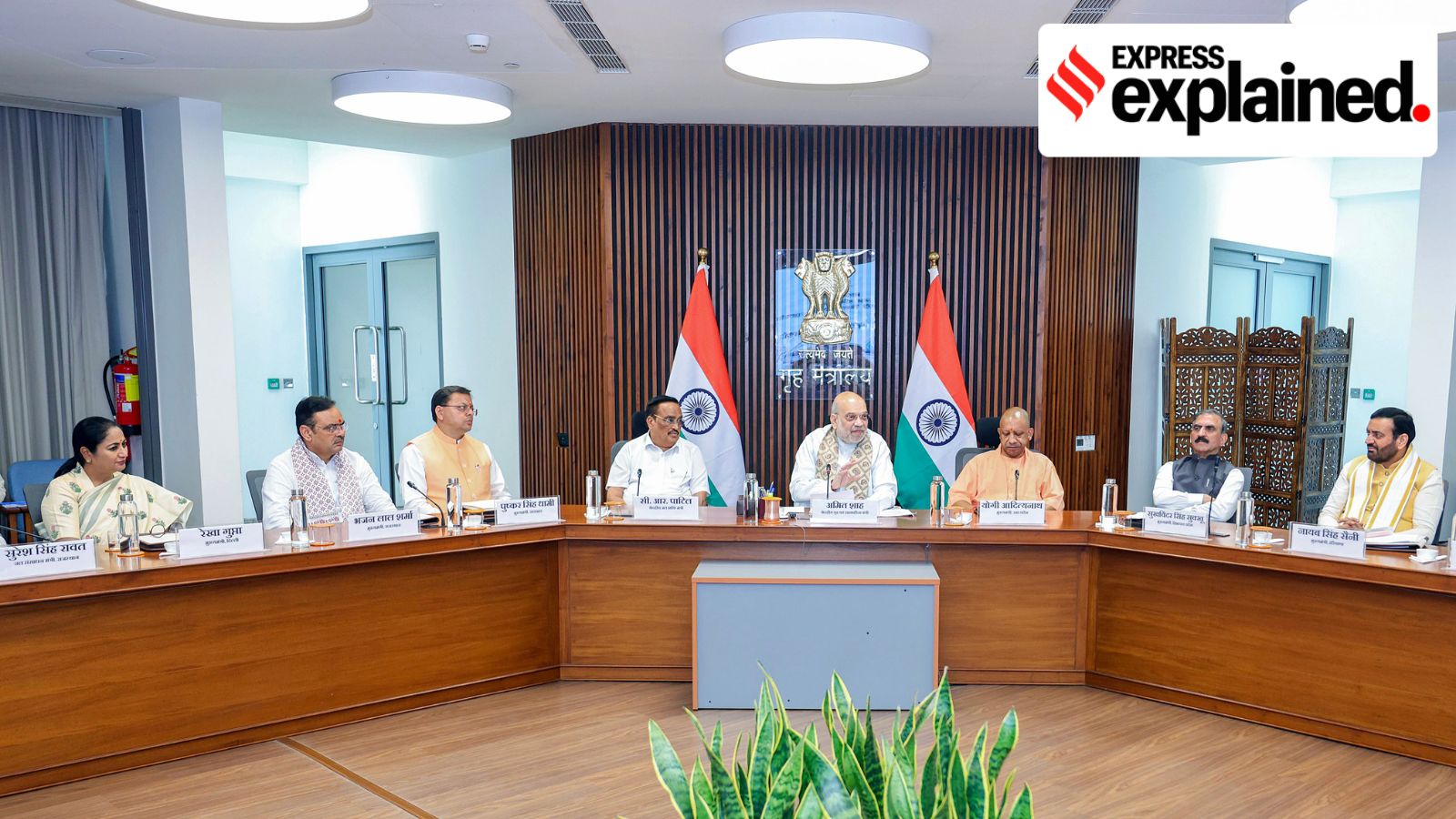
In a landmark development for North India's water and energy security, the Chief Ministers of six states signed a Memorandum of Understanding (MoU) for the long-pending 660 MW Kishau Multipurpose Project on Tuesday. The signing ceremony took place in New Delhi in the presence of Union Home Minister Amit Shah and Union Jal Shakti Minister CR Patil, signaling the project's high strategic priority.
The signatories included Himachal Pradesh CM Sukhvinder Singh Sukhu, Uttarakhand CM Pushkar Singh Dhami, Uttar Pradesh CM Yogi Adityanath, Haryana CM Nayab Singh Saini, Rajasthan CM Bhajan Lal Sharma, and Delhi CM Rekha Gupta. This agreement marks the end of an eight-year stalemate regarding cost-sharing and resource allocation.
What is the Kishau Multipurpose Project?
The Kishau project is a massive infrastructure undertaking located on the Tons River, a critical tributary of the Yamuna. The project site spans the borders of Himachal Pradesh's Sirmaur district and Uttarakhand's Dehradun district. It features a 236-meter-high concrete gravity dam designed to generate 660 MW of hydropower, irrigate 97,076 hectares of land, and provide 617 million cubic meters of water for drinking and industrial use.
Why This Matters
BozokMedia analysis shows that the Kishau project is the linchpin for resolving water disputes in the Indo-Gangetic plain. For years, the project was stalled by a classic 'upstream vs. downstream' conflict, where mountain states feared the environmental and financial costs while plains states awaited the benefits.
The decision by the Centre to absorb 90% of the capital expenditure is the masterstroke that turned a regional dispute into a national success story.
The Roots of the Delay:
The delay was primarily driven by Himachal Pradesh's concerns over the financial burden and ecological impact. The state argued that while it would suffer significant land submergence—affecting 17 villages and approximately 5,498 people—the primary beneficiaries would be downstream states like Delhi and Haryana. A 2020 study highlighted that nearly 2,950 hectares of land would be lost to the reservoir.
The New Financial Breakthrough:
The deadlock was broken in June 2026 when the Central Government announced it would fund 90% of the project. Under this new arrangement, Himachal Pradesh will receive approximately ₹600 crore in annual economic benefits from the power component without bearing the full capital risk. Furthermore, Delhi, Rajasthan, and Haryana will bear the costs of Himachal's power component in exchange for water rights.
| Feature | Previous Stance | New MoU Terms |
|---|---|---|
| Central Funding | Minimal/Negotiable | 90% of Total Cost |
| State Burden | High Capital Investment | 10% Shared Cost |
| Economic Benefit | High Risk of Loss | ₹600 Cr Annual Benefit for HP |
Frequently Asked Questions
1. Which states will benefit from the water supply?
Delhi, Haryana, and Rajasthan are the primary beneficiaries of the water allocated through this project.
2. How will the project affect local residents?
Approximately 5,498 people across 17 villages are expected to be displaced due to land submergence.